Astronomia Básica← Início
ARQUIVO EDITORIAL

Todas as matérias

145 matérias encontradas
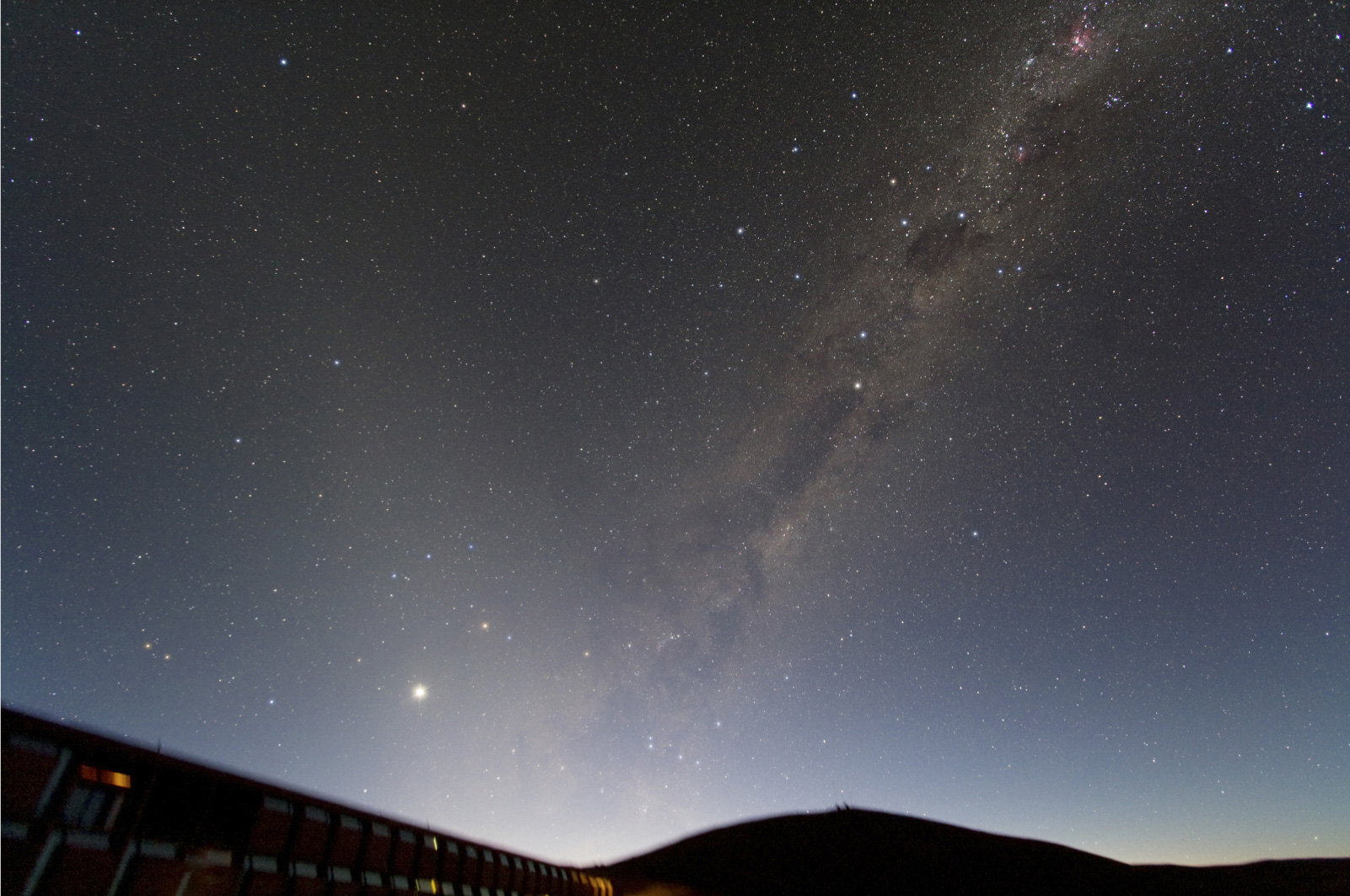
Photo of the morning sky above the Paranal Residencia taken by ESO astronomer Yuri Beletsky. The Milky Way is nicely seen along with its numerous dark dust lanes and amazing nebulae. The Zodiacal light - sunlight reflected by interplanetary dust - is clearly visible as the band of light that is inclined with respect to the Milky Way by about 40-50 degrees. The planet Venus is also visible in this photo, just above the Residencia.
Sistema Solar · 4 min

A luz zodiacal: o brilho fraco que desenha um cone no céu

Um clarão triangular após o crepúsculo não é uma aurora nem poluição: é luz solar espalhada por poeira que orbita o Sol.

Ler matéria →
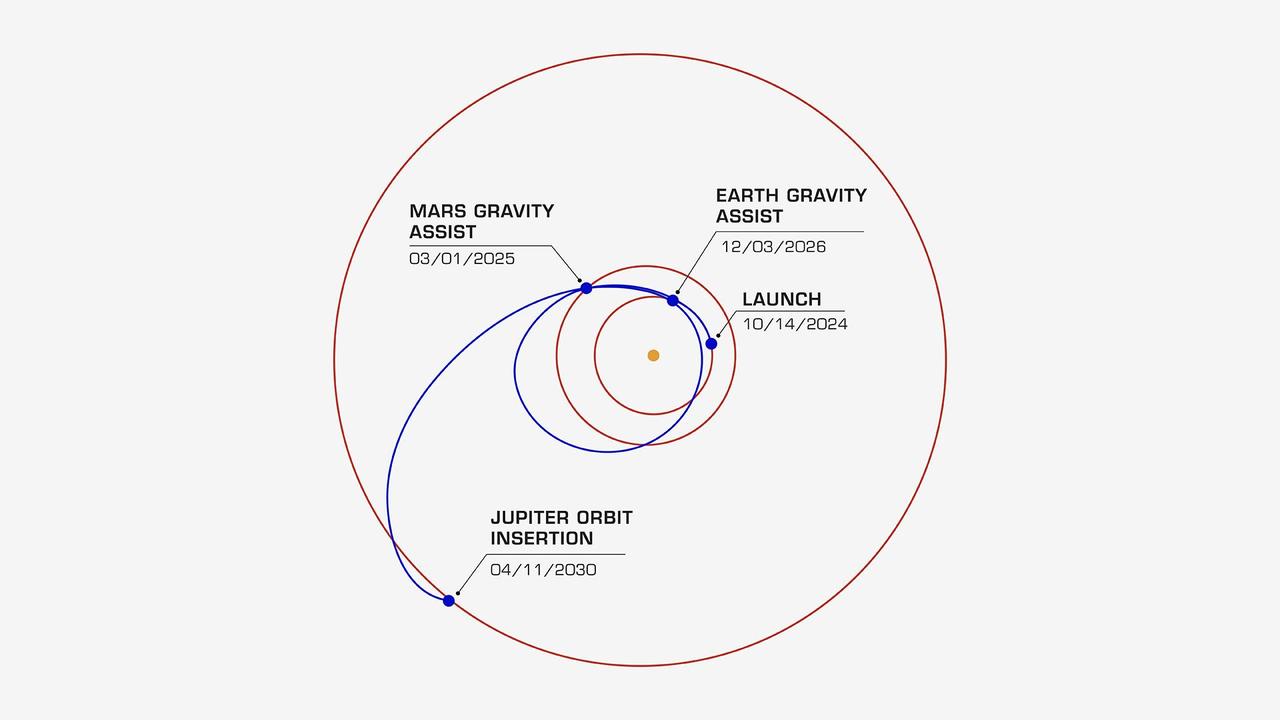
On its journey to the Jupiter system, NASA's Europa Clipper will take a path that swings past Mars, then Earth, using the gravity of each planet as a slingshot to boost the spacecraft's speed.
Sistema Solar · 3 min

Por que os planetas mais distantes percorrem órbitas mais devagar

A distância ao Sol muda o caminho e a velocidade dos planetas. Entenda por que um ano em Netuno é tão mais longo que um ano na Terra.

Ler matéria →
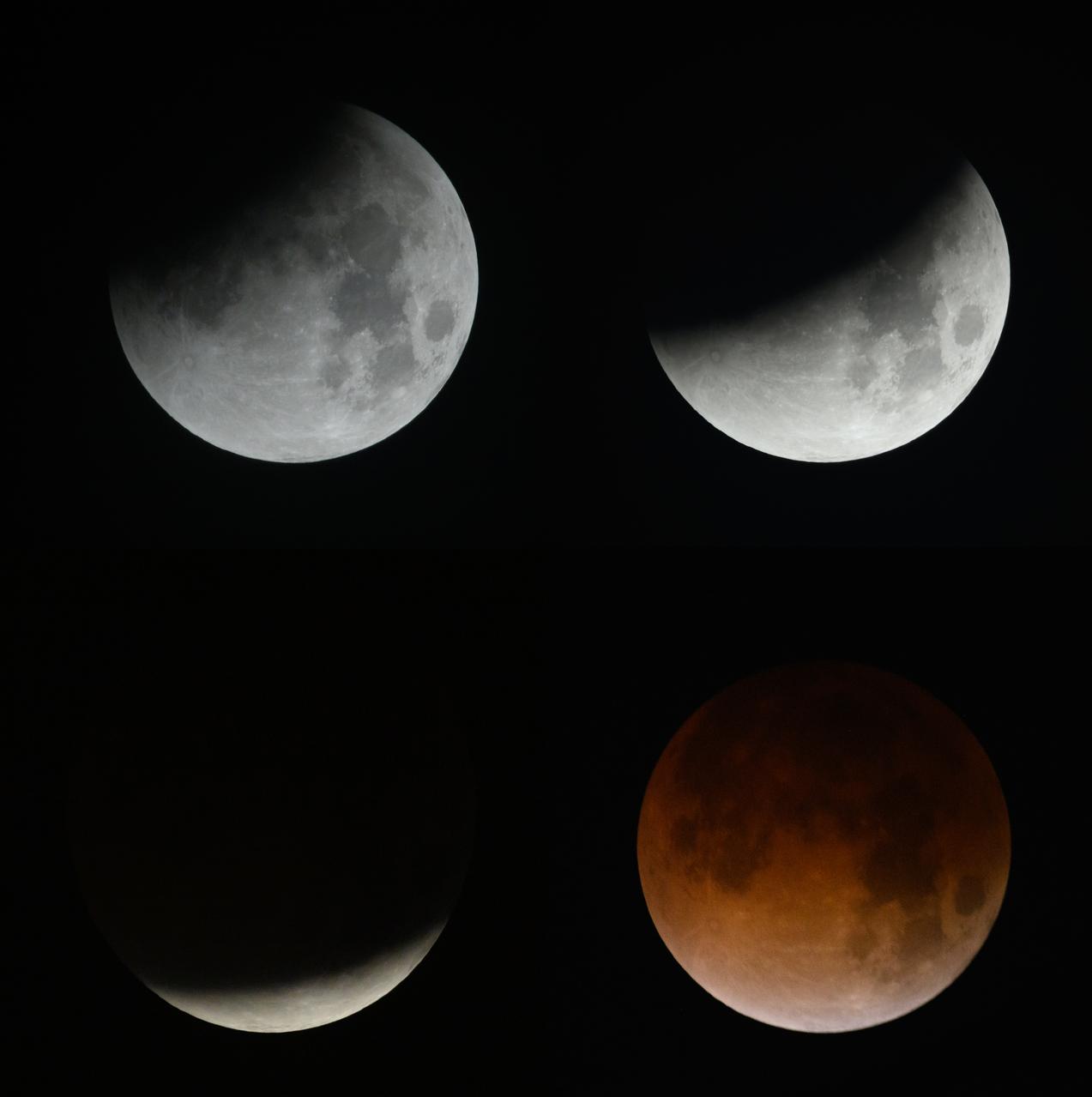
Total Lunar Eclipse 2026 – New Orleans
Sistema Solar · 4 min

Por que a Lua fica vermelha durante um eclipse lunar total

Mesmo dentro da sombra da Terra, a Lua não desaparece: a atmosfera terrestre desvia luz avermelhada até sua superfície.

Ler matéria →
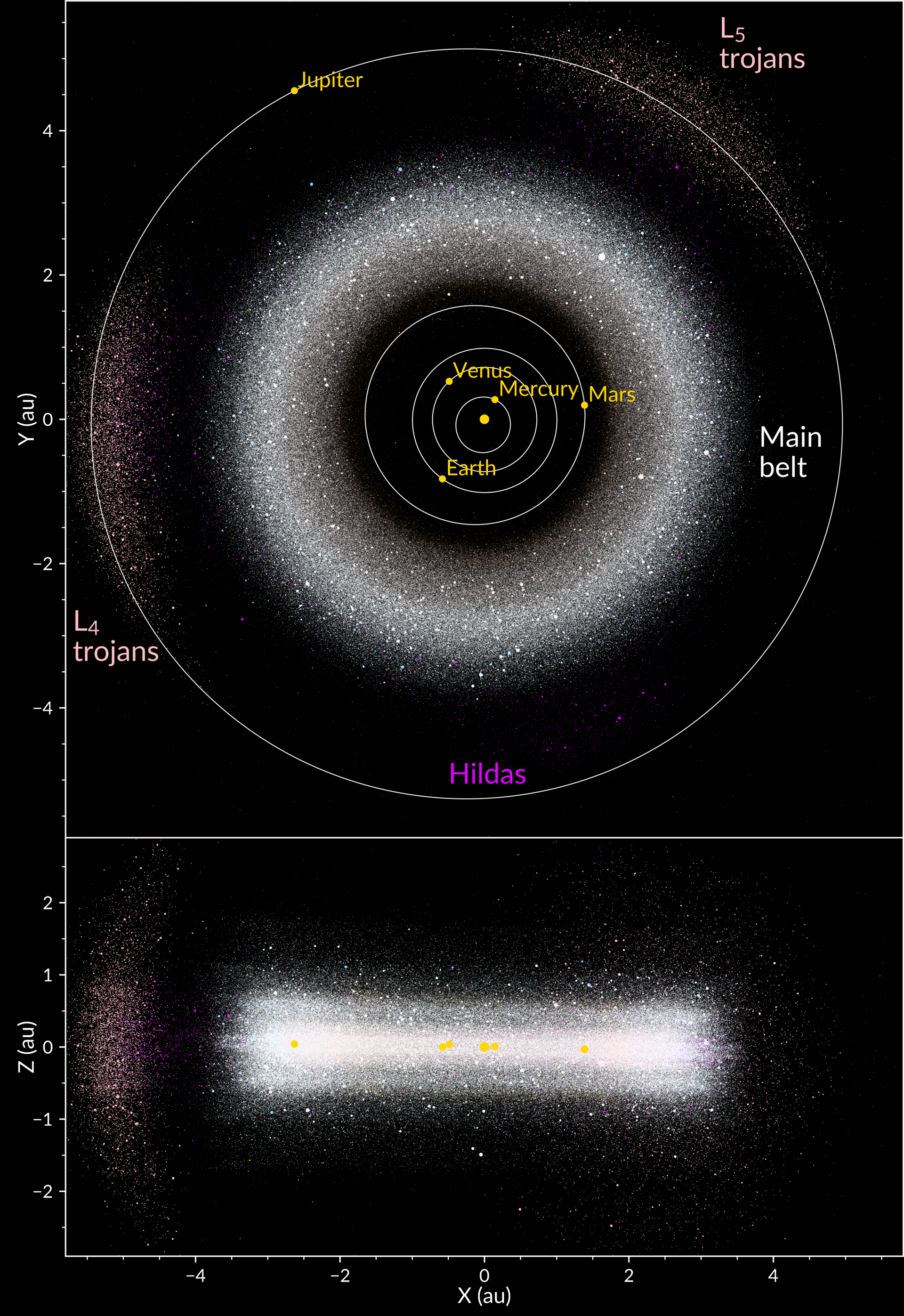
Plot of the position in space, as of the instant of midnight Teph 15 May 2026, of 1,509,325 asteroids, mostly in the asteroid belt. Positions of asteroids, the inner planets, and Jupiter are in the J2000 ecliptic frame, with the z-axis normal to Earth's orbit as of 1 January 2000 and the x-axis oriented toward the March equinox. For planets, positions should be exact (from JPL DE440). For minor bodies, positions are extrapolated from other epochs (mostly MJD 61000.0, 21 November 2025) assuming p
Sistema Solar · 4 min

Por que o Sol também orbita um ponto que não fica no seu centro

O Sol domina o Sistema Solar, mas não fica absolutamente parado: ele e os planetas giram em torno de um centro de massa comum.

Ler matéria →
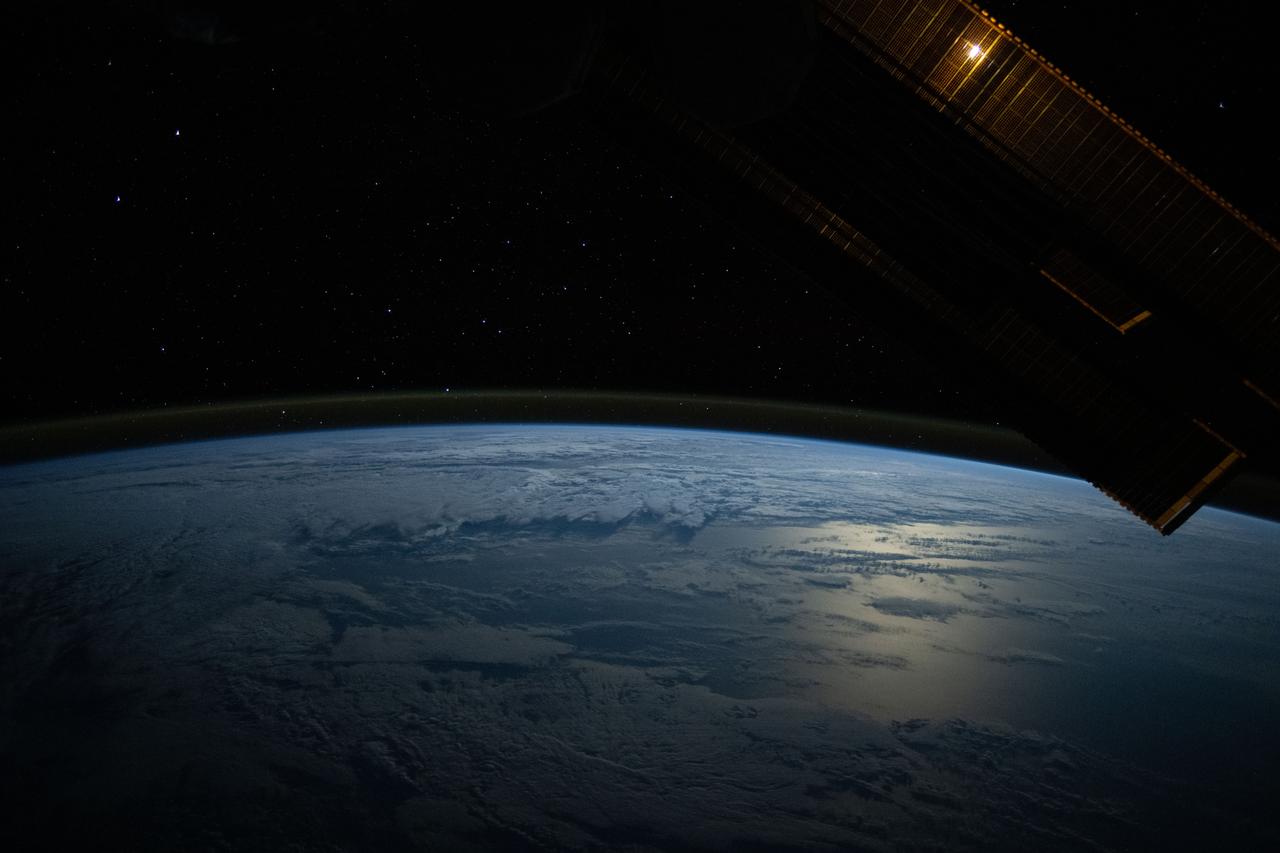
The Moon's glint beams off the Pacific Ocean as stars glitter in the background above the Earth's airglow. The Moon is obscured behind a solar array in this photograph from the International Space Station as it orbited 264 miles above.
Sistema Solar · 4 min

Por que a Lua se afasta da Terra poucos centímetros por ano

A Lua está se afastando lentamente porque as marés transferem energia da rotação terrestre para sua órbita. Entenda o mecanismo e seus limites.

Ler matéria →
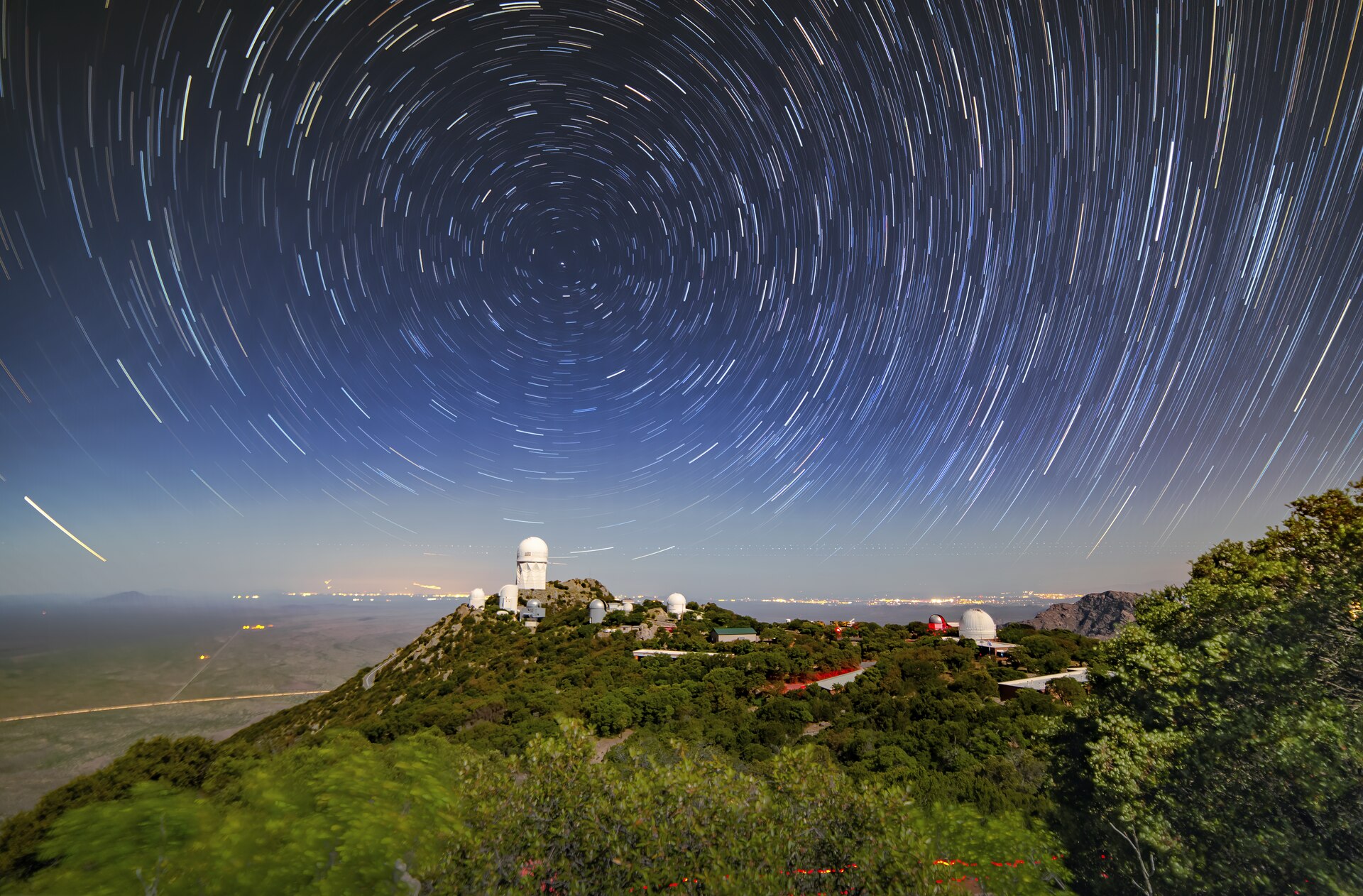
Although this appears to be a daytime scene, star trails circle and illuminate the night sky in this long-exposure photo of Kitt Peak National Observatory (KPNO), a Program of NSF NOIRLab. The telescope visible at the highest peak is the Nicholas U. Mayall 4-meter Telescope and almost directly above it, at the center of the concentric star trails, sits the North Star, Polaris. As the Earth turns and the stars appear to move through the sky, Polaris remains stationary at the north celestial pole,
Sistema Solar · 4 min

Por que Sol, Lua e estrelas parecem cruzar o céu todos os dias

O céu parece girar de leste para oeste porque a Terra gira no sentido contrário. Esse movimento aparente organiza nossa experiência diária do firmamento.

Ler matéria →
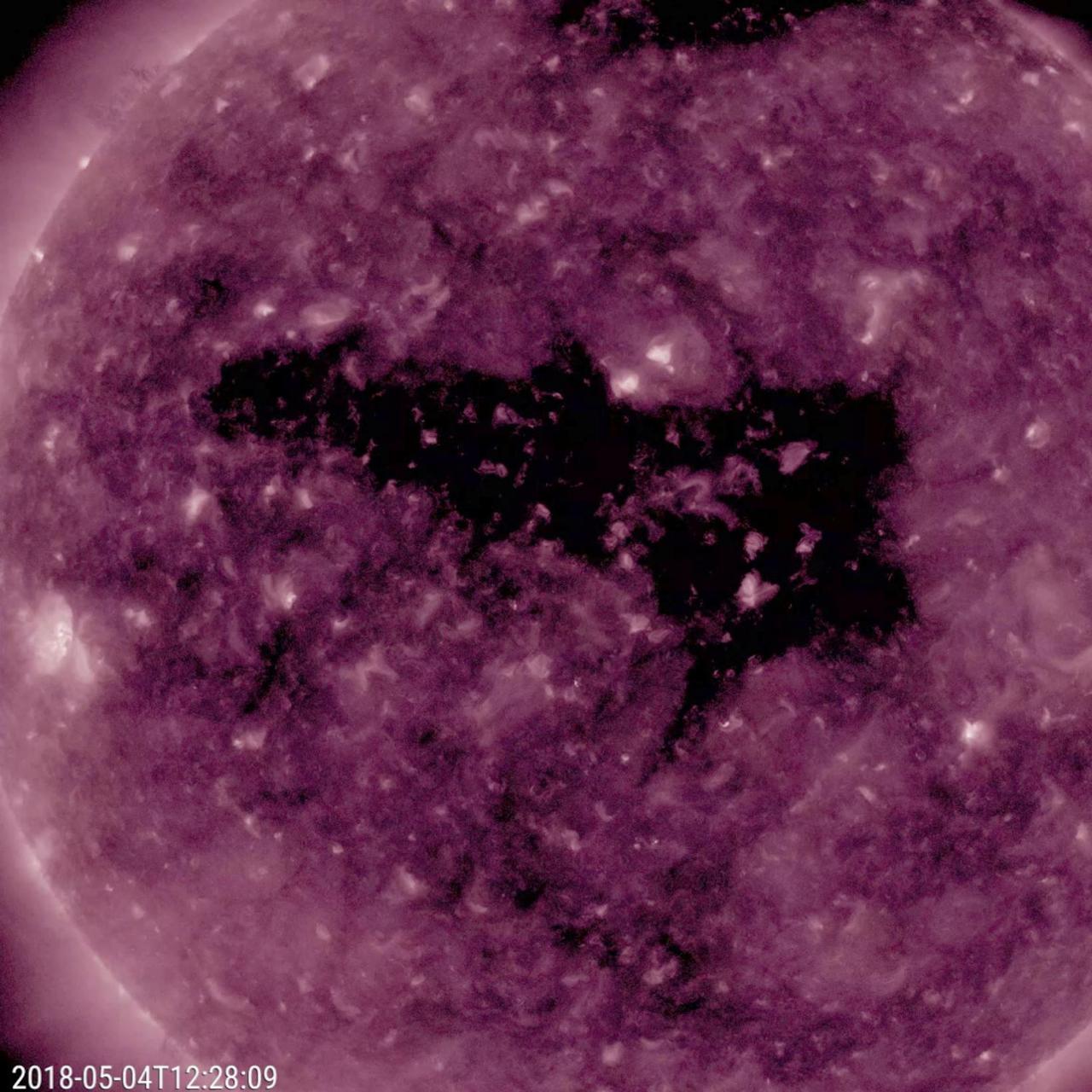
NASA's Solar Dynamics Observatory observed an extensive equatorial, dark coronal hole extending about halfway across the solar disk on May 2-4, 2018.
Sistema Solar · 4 min

O que protege a Terra do vento solar e por que essa proteção varia

O campo magnético terrestre desvia boa parte das partículas do Sol, mas sua proteção não é uma parede imóvel: ela muda com a atividade solar e com o espaço ao redor.

Ler matéria →
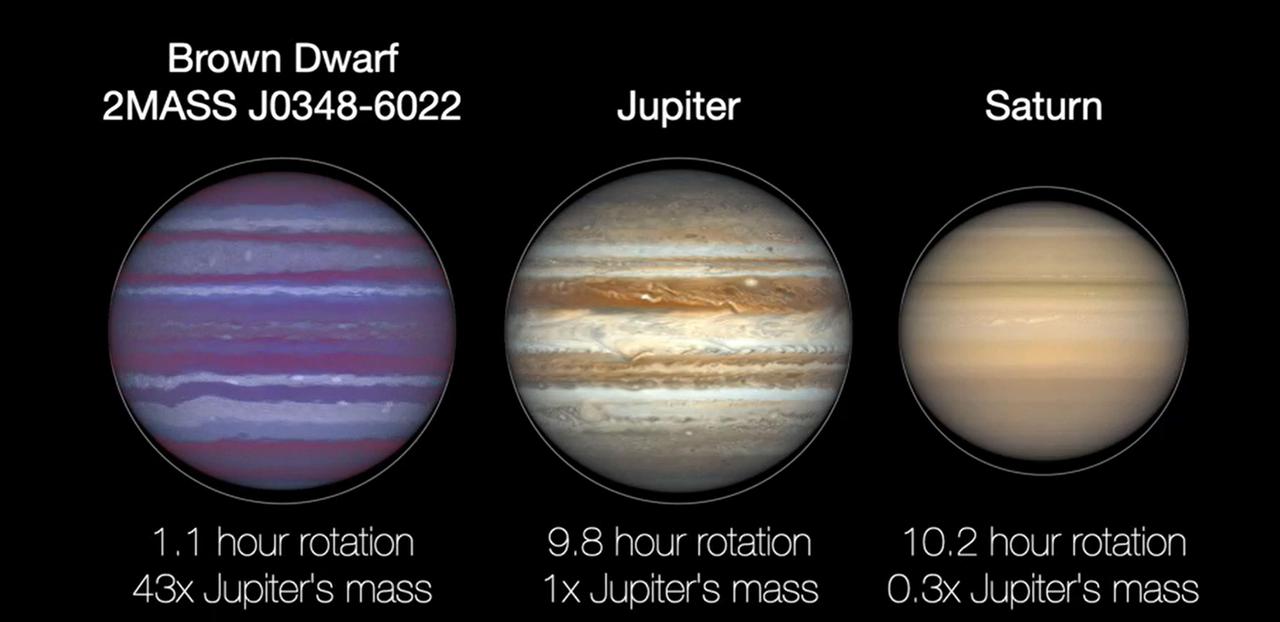
If a planet rotates too fast it will experience bulging around its midsection, as seen in this animated illustration of a brown dwarf, Jupiter, and Saturn.
Sistema Solar · 5 min

Por que Saturno flutuaria na água — em uma hipótese impossível

A densidade média de Saturno é menor que a da água. Isso permite a famosa comparação da flutuação, mas não significa que seria possível colocá-lo em um oceano.

Ler matéria →
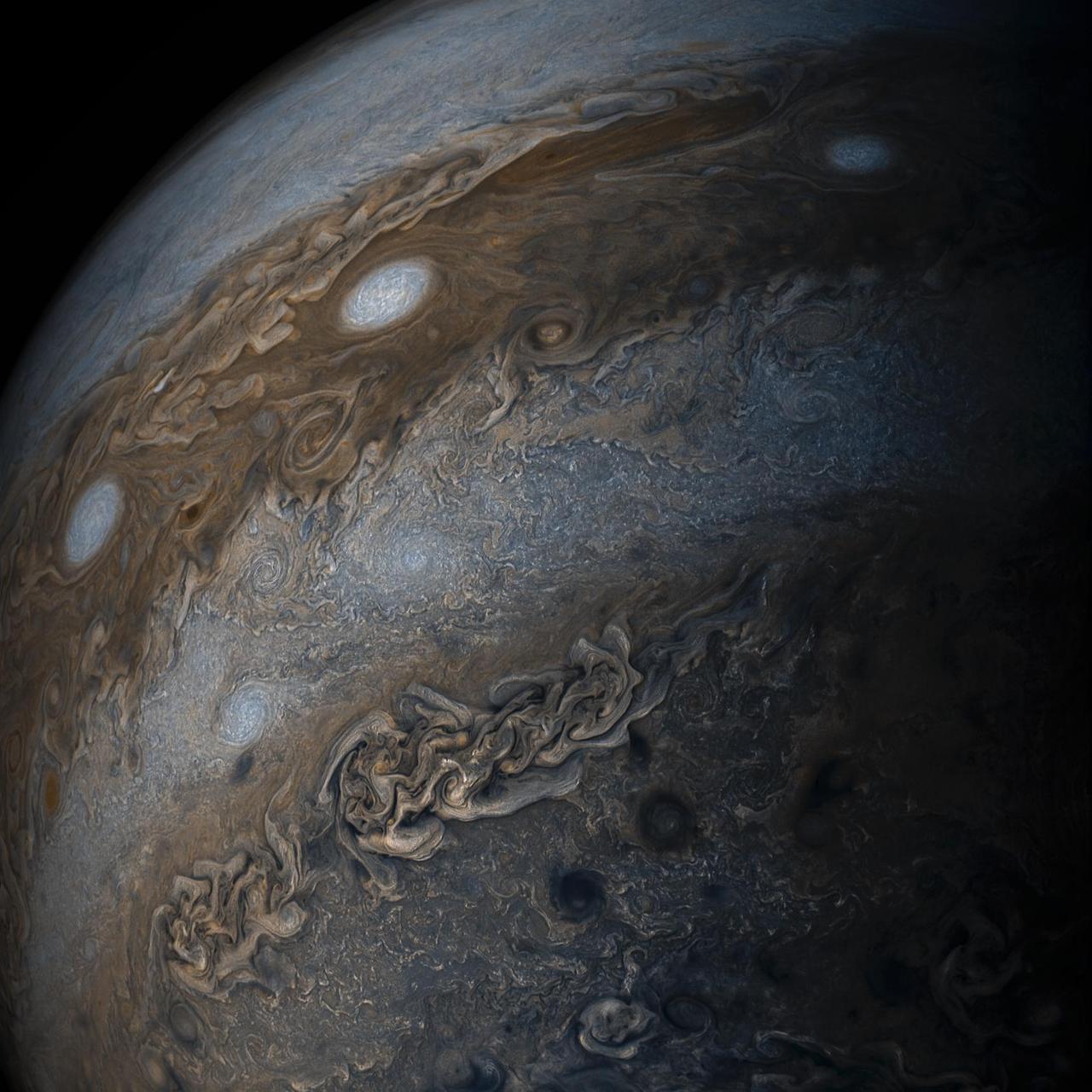
Three of the white oval storms known as the "String of Pearls" are visible near the top of the image.
Sistema Solar · 4 min

Por que Júpiter tem faixas claras e escuras que não param no lugar

As listras de Júpiter são correntes de nuvens movidas por rotação veloz, calor interno e uma atmosfera profunda de gases.

Ler matéria →
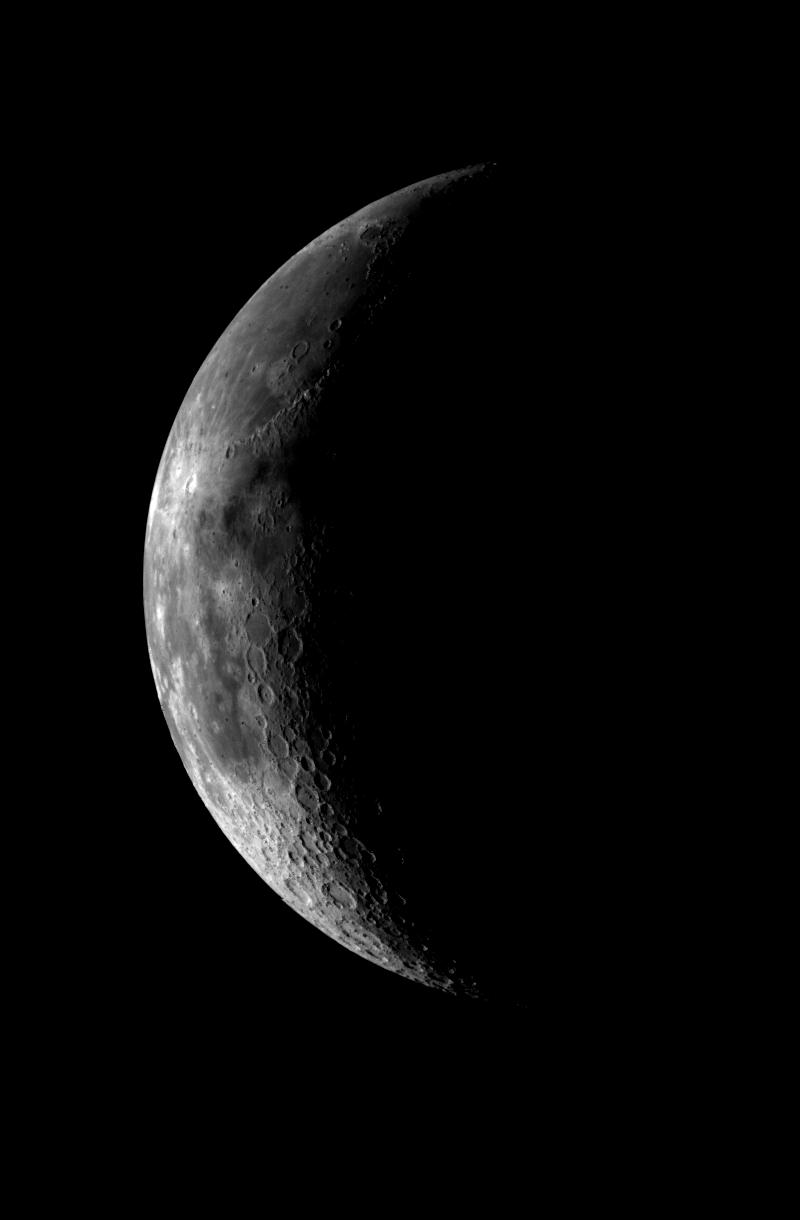
This image of the crescent moon was obtained by the Galileo Solid State imaging system on December 8 at 5 a.m. PST as NASA Galileo spacecraft neared the Earth.
Sistema Solar · 4 min

Por que a face distante da Lua é tão diferente da face voltada à Terra

A Lua mostra sempre quase a mesma face à Terra, mas o outro lado tem crosta, crateras e planícies vulcânicas distribuídas de modo diferente.

Ler matéria →
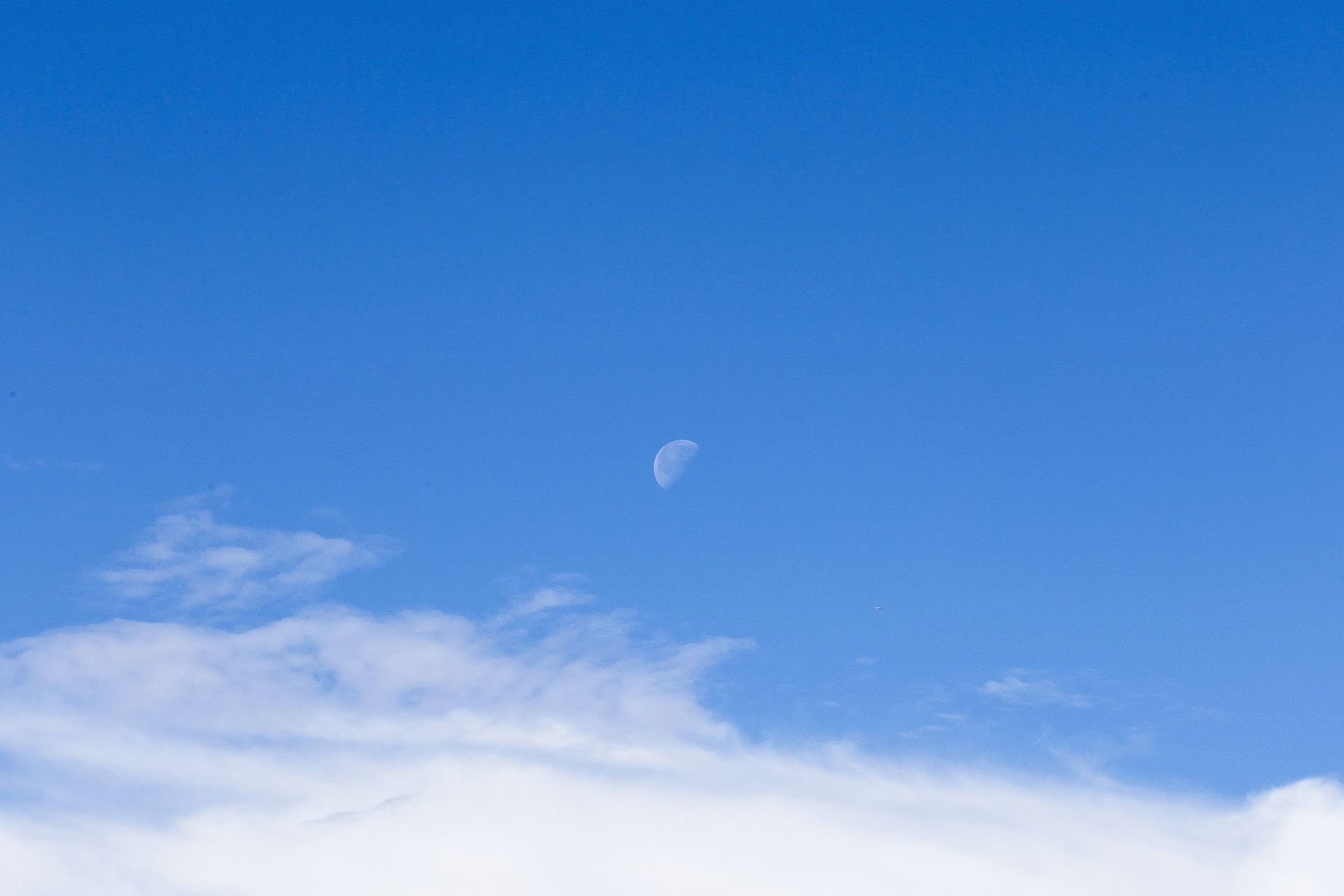
Moon in the daytime, Cambazlı, Silifke - Mersin, Turkey.
Sistema Solar · 4 min

Por que a Lua pode ser vista de dia, mesmo perto do Sol

A Lua não pertence à noite: sua posição, sua fase e o brilho do céu determinam quando ela pode aparecer à luz do dia.

Ler matéria →
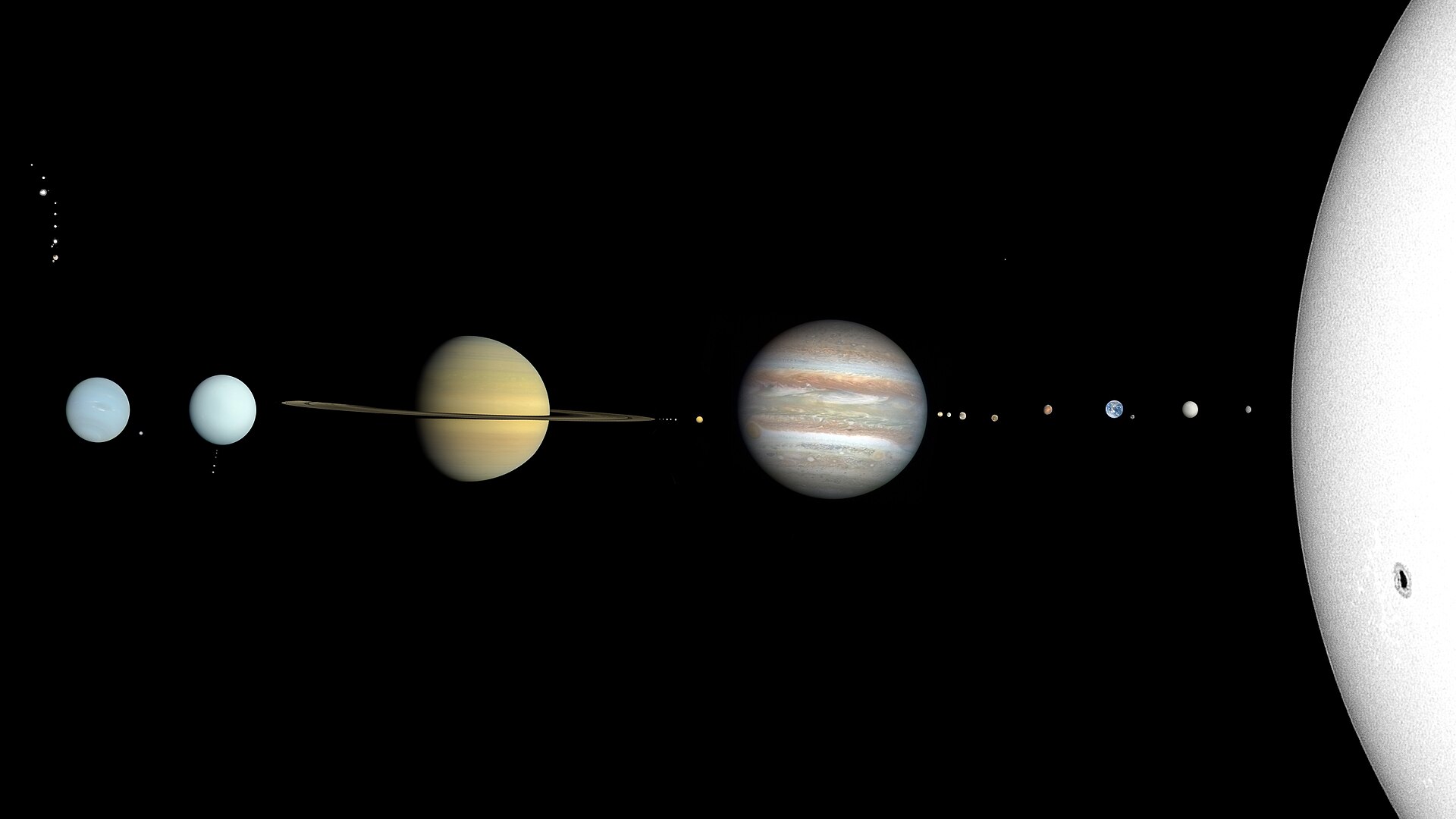
Finally... the true color of the Solar System! Dwarf planets are sorted by radius ascending from top down, with four main classifications from right to left: Asteroid belt (Ceres, above the Jovian moons), Kuiper belt (Orcus, Quaoar, Makemake, Haumea, Pluto), scattered disk (Gonggong, Eris), and detached objects (Sedna). Dwarfs are at a larger scale than the moons.Planet and moon credits: User:MotloAstro (Sun); NASA (Mercury, Venus, Earth, Mars, Jupiter, Saturn, Uranus, Neptune (color calibrated
Sistema Solar · 4 min

Por que existe um cinturão de asteroides no lugar de um planeta?

Entre Marte e Júpiter há muitos corpos pequenos, não um planeta destruído. A gravidade de Júpiter dificultou que o material se unisse desde o início.

Ler matéria →
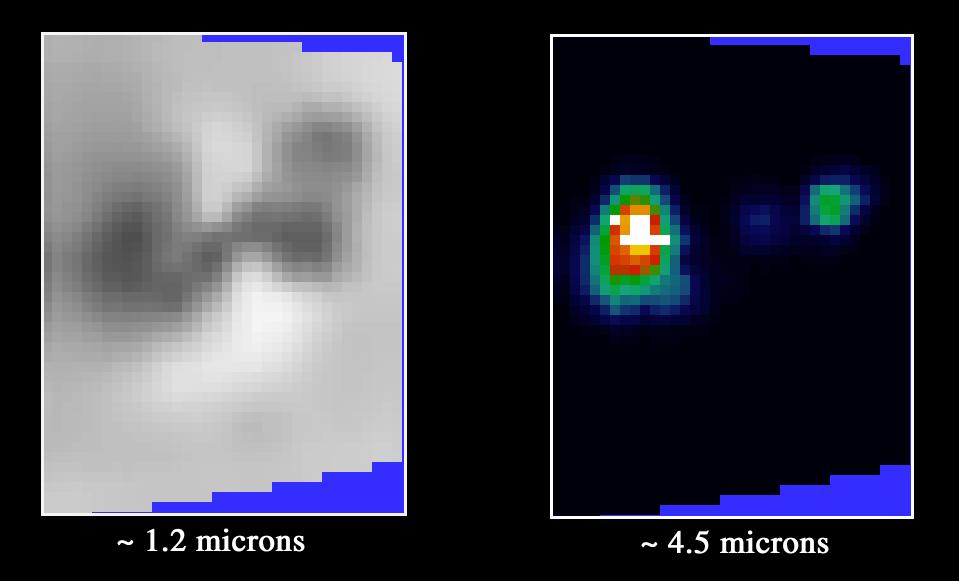
The active volcano Prometheus on Jupiter moon Io was imaged by NASA Galileo spacecraft during the close flyby of Io on Oct.10, 1999. The spectrometer can detect active volcanoes on Io by measuring their heat in the near-infrared wavelengths.
Sistema Solar · 4 min

Por que Io, lua de Júpiter, é tão cheia de vulcões?

Io é aquecida por dentro porque a gravidade de Júpiter e de luas vizinhas a deforma continuamente. Essa flexão alimenta o mundo vulcânico mais ativo conhecido.

Ler matéria →
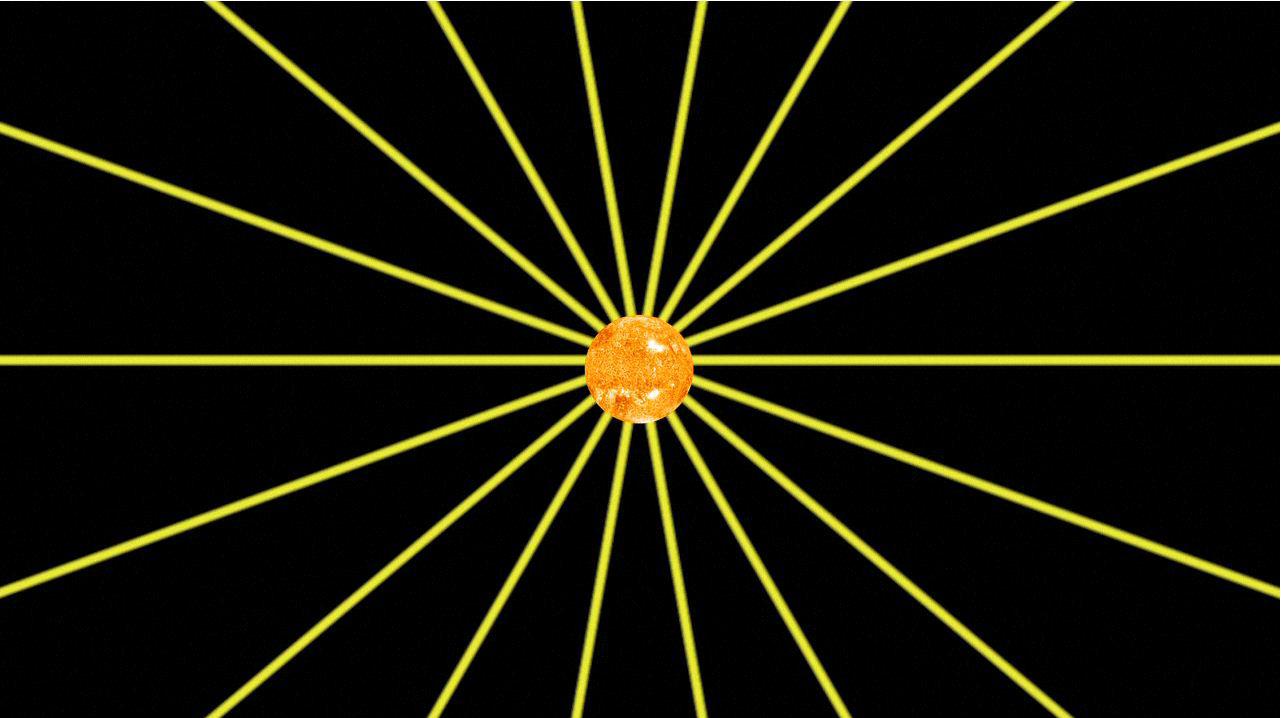
This frame from an animation shows how the magnetic field lines emanating from our sun spiral out into the solar system as the sun rotates. NASA Voyager 1 is in an area scientists are calling the stagnation region, at the outer layer of the heliosphere.
Sistema Solar · 4 min

Por que não há eclipse solar em toda Lua nova?

Lua nova é condição necessária para um eclipse solar, mas não suficiente. A inclinação da órbita lunar explica por que o alinhamento perfeito é raro.

Ler matéria →
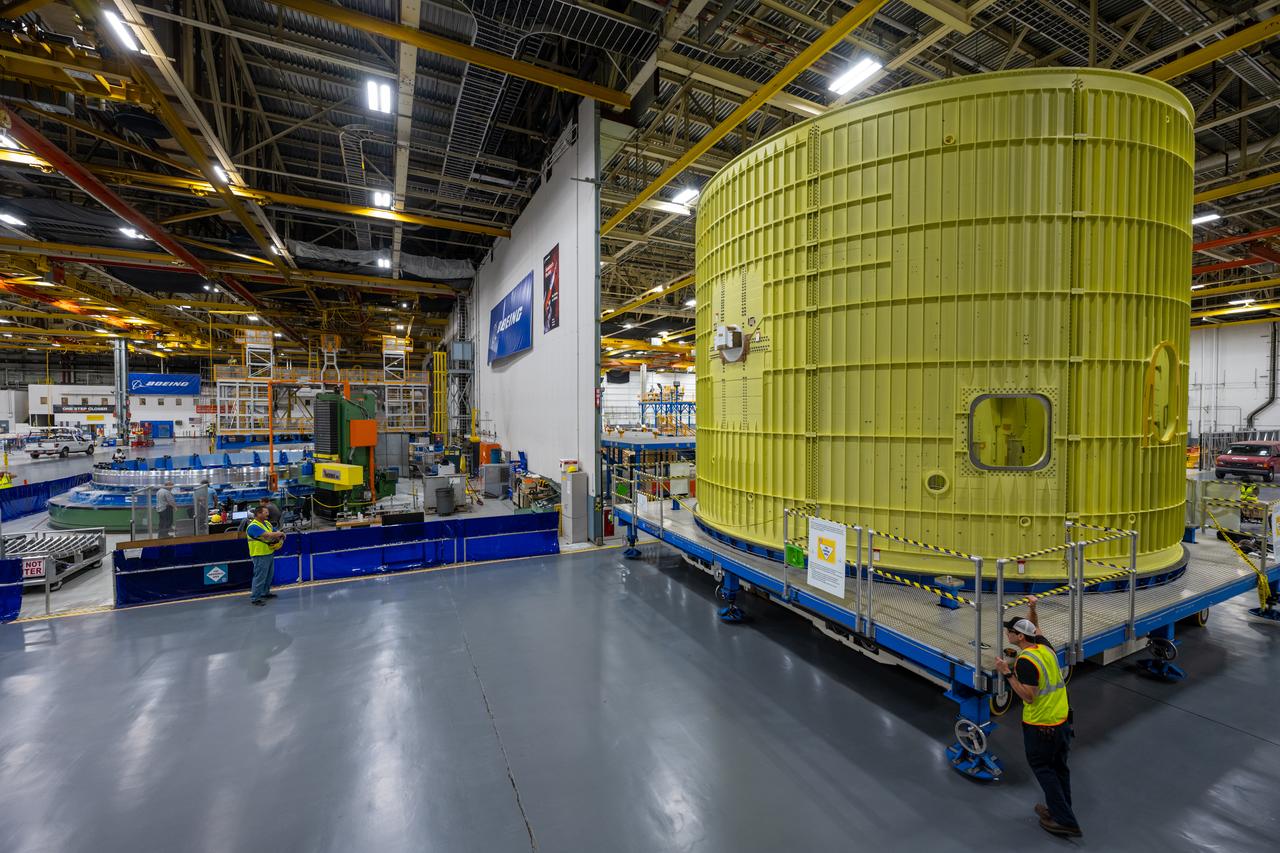
Technicians at NASA’s Michoud Assembly Facility move the intertank of NASA’s Space Launch System rocket for Artemis III to Cell G to await application of the thermal protection system. Thermal protection systems protect space vehicles from aerodynamic heating during entry to planet atmosphere and re-entry to earth atmosphere.
Sistema Solar · 4 min

Por que a atmosfera da Terra não escapa inteira para o espaço

A gravidade mantém o ar perto da Terra, mas moléculas escapam continuamente. Entenda o equilíbrio que tornou nossa atmosfera duradoura, sem ser imóvel.

Ler matéria →
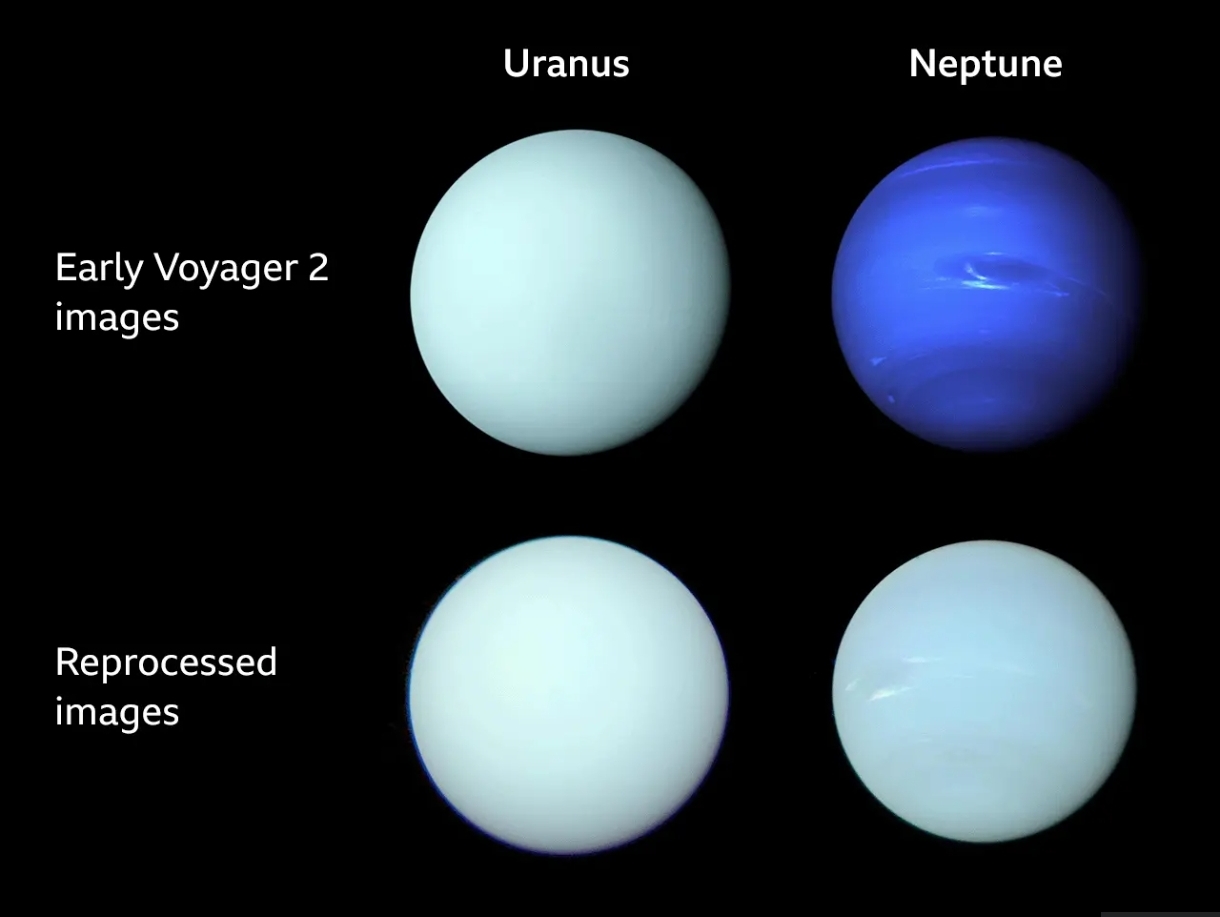
Uranus and Neptune true color comparison by University of Oxford
Sistema Solar · 3 min

Por que Urano e Netuno são azuis, mas não do mesmo azul

Metano ajuda a explicar o azul de Urano e Netuno, mas nuvens, névoas e a dinâmica atmosférica ajudam a explicar por que os dois planetas não têm a mesma tonalidade.

Ler matéria →
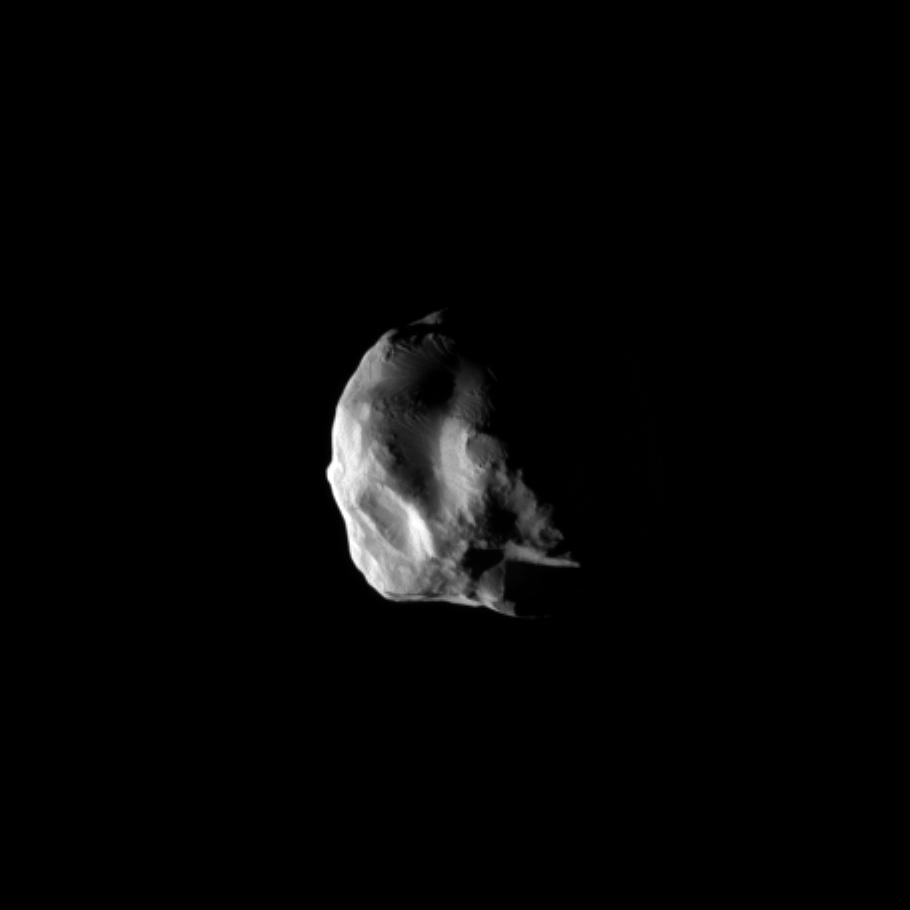
NASA Cassini spacecraft snapped this image during the spacecraft closest flyby of Saturn moon Helene, on March 3, 2010. Helene is a Trojan moon of Dione, named for the Trojan asteroids that orbit ahead of and behind Jupiter.
Sistema Solar · 4 min

Asteroides troianos: como corpos compartilham a órbita de um planeta

Milhares de asteroides acompanham Júpiter sem bater nele. Eles ocupam regiões orbitais especiais, onde gravidade e movimento criam um equilíbrio dinâmico.

Ler matéria →
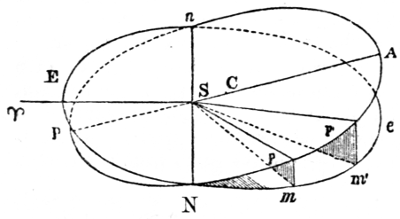
Described in the notes as follows: "Latitude of a planet. The angle p S m, fig. 12, or the height of the planet p above the ecliptic E N m. In this case the latitude is north. Thus, celestial latitude is the angular distance of a celestial body from the plane of the ecliptic, whereas terrestrial latitude is the angular distance of a place on the surface of the earth from the equator." "Nodes. The two points N and n, fig. 12, in which the orbit N A n P of a planet or comet intersects the plane of
Sistema Solar · 4 min

Por que os cometas voltam ao Sistema Solar interno

Alguns cometas retornam em intervalos previsíveis; outros aparecem uma vez e somem por milênios. A diferença está na forma de suas órbitas e na ação dos planetas.

Ler matéria →
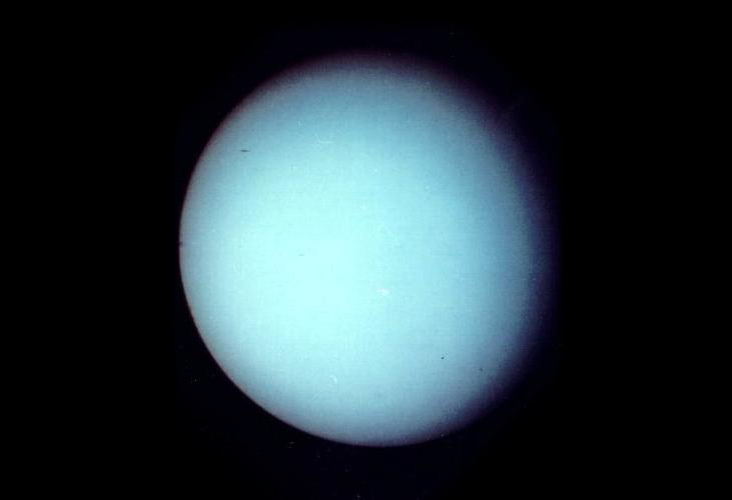
Uranus imaged by Voyager 2 in 1986
Sistema Solar · 4 min

Por que Urano gira quase deitado em sua órbita

Urano tem o eixo de rotação inclinado em cerca de 98 graus. Entenda o que isso muda nas estações do planeta e o que ainda não sabemos sobre sua origem.

Ler matéria →
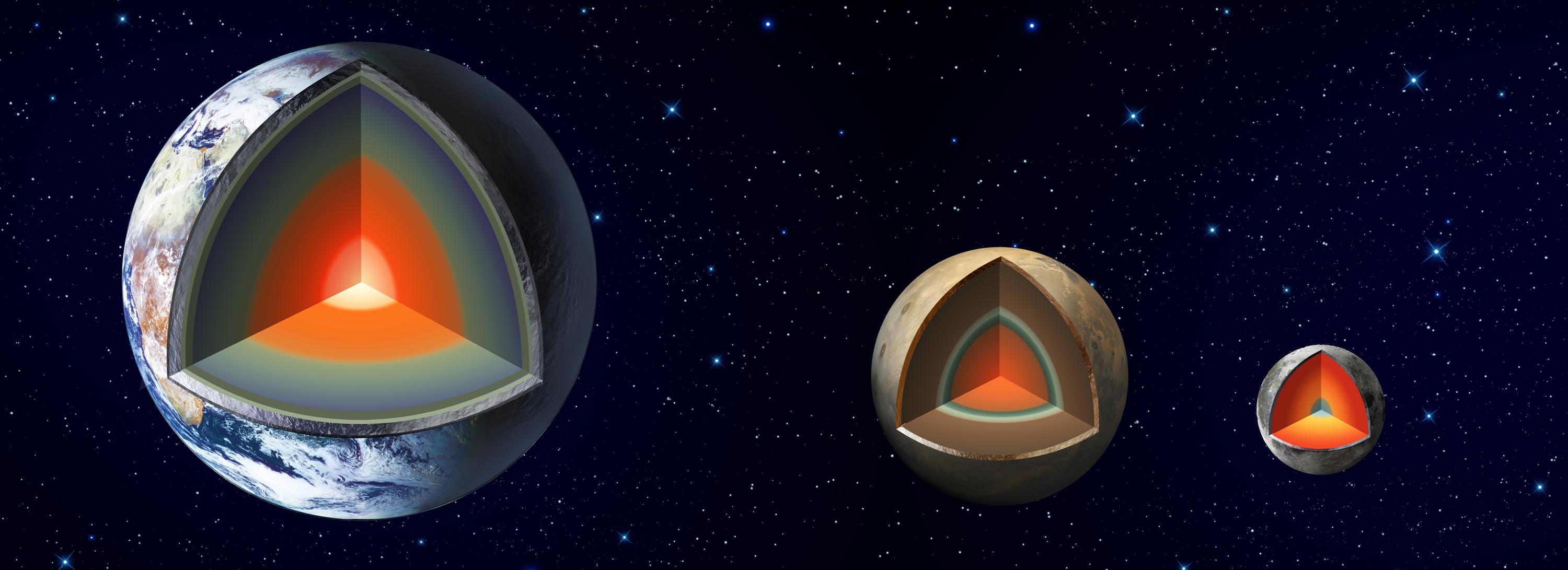
An artist's impression shows the major interior layers of Earth, Mars and the Moon.
Sistema Solar · 5 min

Por que o interior da Terra ainda é quente depois de bilhões de anos

A Terra não conserva calor apenas como uma pedra aquecida: sua formação, seus elementos radioativos e seu isolamento ajudam a manter o interior ativo.

Ler matéria →
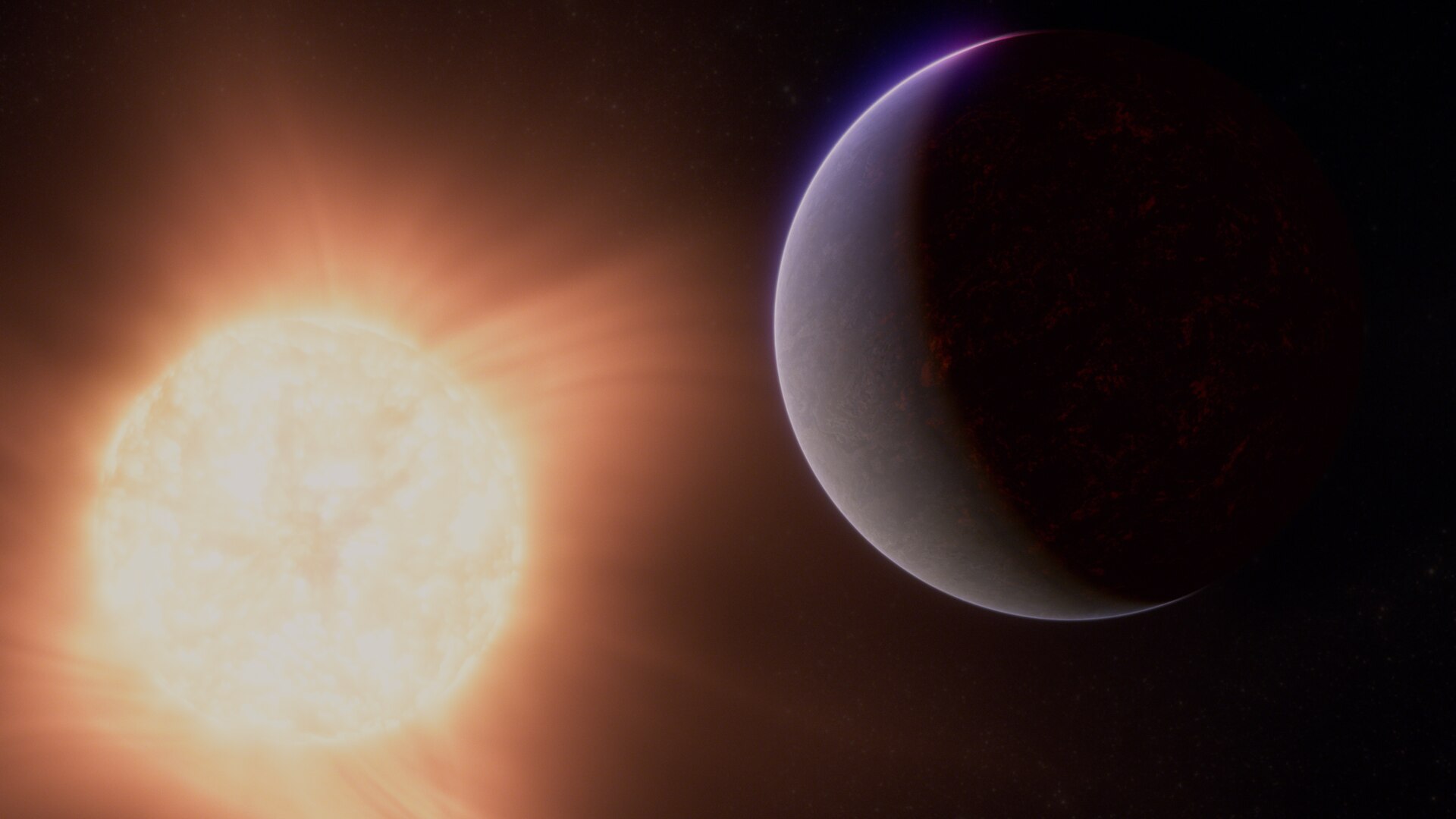
This artist’s concept shows what the exoplanet 55 Cancri e could look like.Also called Janssen, 55 Cancri e is a so-called super-Earth, a rocky planet significantly larger than Earth but smaller than Neptune, which orbits its star at a distance of only 2.25 million kilometres (0.015 astronomical units), completing one full orbit in less than 18 hours. In comparison, Mercury is 25 times farther from the Sun than 55 Cancri e is from its star. The system, which also includes four large gas-giant pl
Sistema Solar · 5 min

O que separa planetas rochosos de gigantes gasosos

Terra e Júpiter não diferem só em tamanho: nasceram em regiões e com materiais que favoreceram estruturas, atmosferas e histórias muito distintas.

Ler matéria →
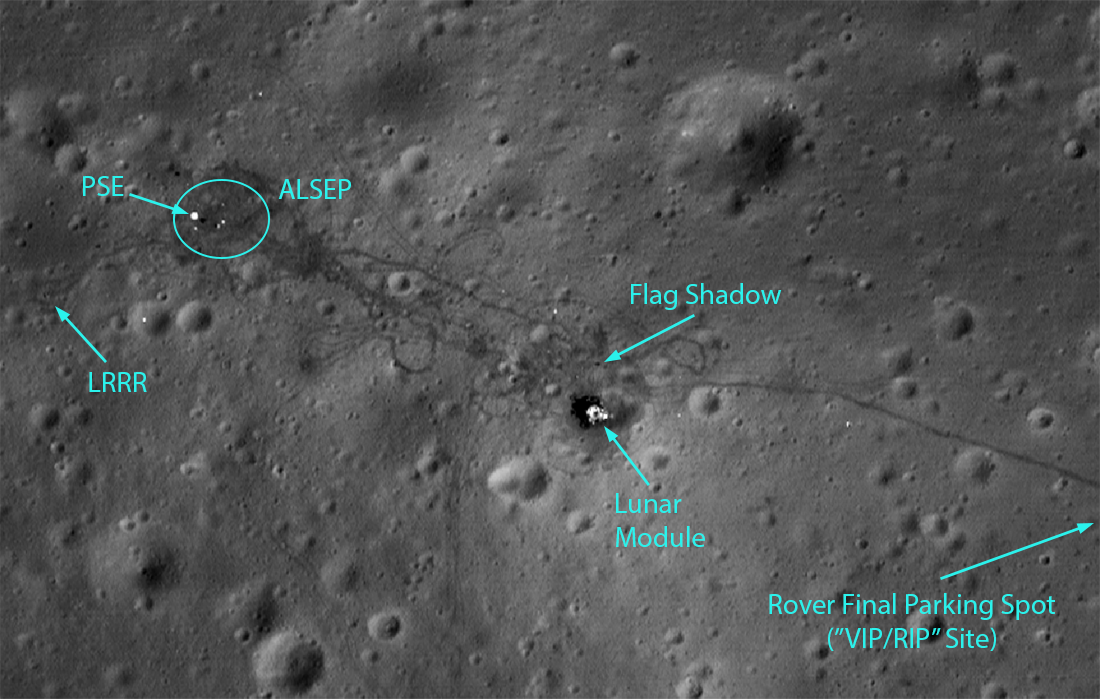
Highlights of the Apollo 15 landing site, as seen in LROC NAC image M175252641R. This image has a resolution of 27 cm/px, and shows an area of 262 m by 186 m. The Lunar Module is clearly visible, as are many tracks from the Lunar Roving Vehicle (whose final resting place is just east of the edge of this image). The Apollo 15 astronauts left a number of science instruments at the site, including the Passive Seismometer Experiment (PSE), Lunar Ranging Retroreflector (LRRR), and others; these instr
Sistema Solar · 4 min

Por que a Lua tem terremotos e o que eles revelam sobre ela

A Lua não é uma rocha totalmente imóvel. Sismômetros deixados em sua superfície registraram tremores que ajudam a investigar seu interior e sua história geológica.

Ler matéria →
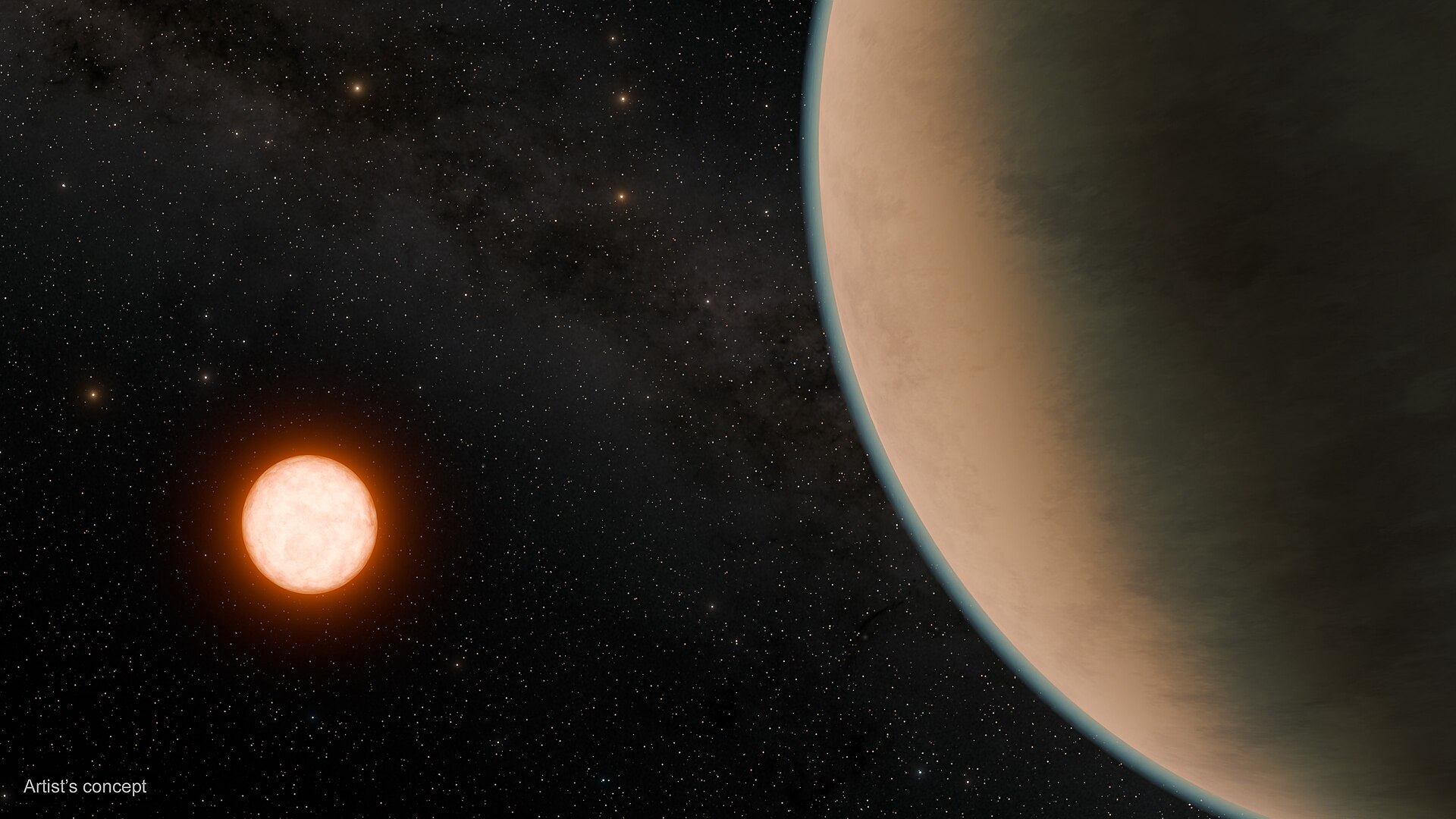
Gliese 12 b, which orbits a cool, red dwarf star located just 40 light-years away, promises to tell astronomers more about how planets close to their stars retain or lose their atmospheres. In this artist’s concept, Gliese 12 b is shown with a thick atmosphere similar to that of Venus in our solar system.
Sistema Solar · 4 min

Por que Vênus é mais quente que Mercúrio, mesmo mais distante

A distância ao Sol importa, mas não decide sozinha a temperatura de um planeta. Vênus mostra como uma atmosfera pode reter calor de modo extremo.

Ler matéria →
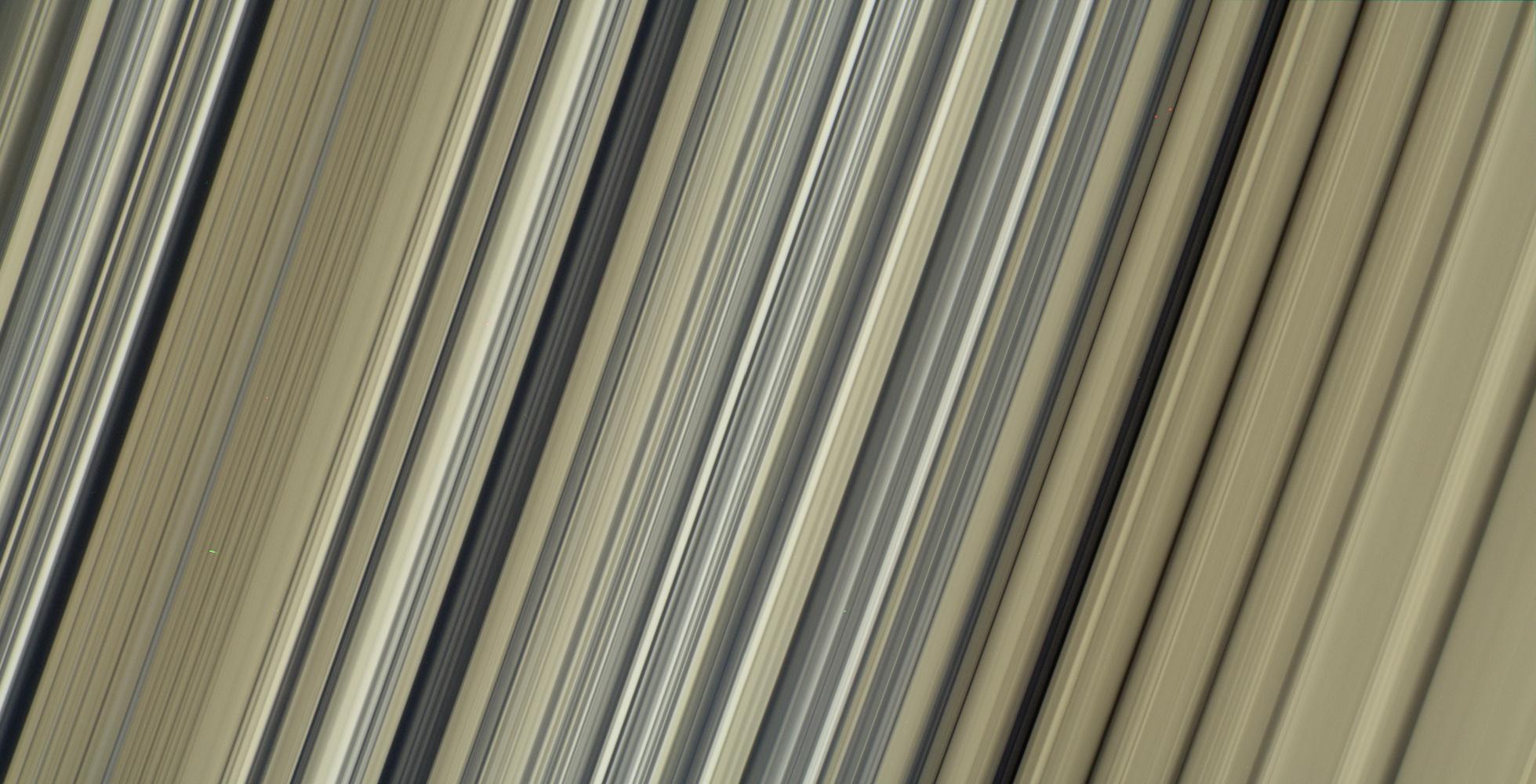
This image from NASA's Cassini spacecraft is one the highest-resolution color images of any part of Saturn's rings, to date, showing a portion of the inner-central part of the planet's B Ring.
Sistema Solar · 5 min

Por que planetas ficam redondos, mas asteroides não?

A gravidade puxa a matéria para o centro, mas só vence a rigidez das rochas acima de certo tamanho. Entenda por que mundos grandes tendem a ser esféricos.

Ler matéria →