Astronomia Básica← Início
ARQUIVO EDITORIAL

Todas as matérias

93 matérias encontradas
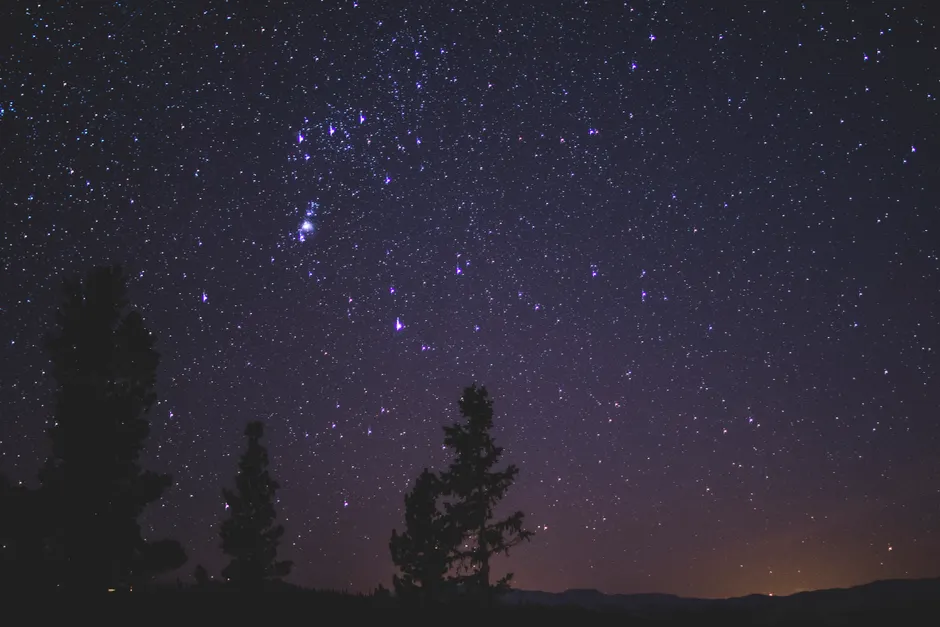
Um céu noturno sereno com constelações visíveis e árvores em silhueta sob um céu estrelado claro.
Universo · 3 min

Por que vemos sempre novas constelações ao longo do ano

O céu noturno muda de cenário porque a Terra avança em sua órbita. As estrelas não trocam de lugar de uma noite para outra, mas nossa direção de visão muda.

Ler matéria →
galaxy, space, universe, night sky
Universo · 4 min

Por que as estrelas parecem tremular quando olhamos da Terra?

O tremular das estrelas não está nelas: nasce nas camadas móveis da atmosfera, que desviam a luz antes que ela chegue aos olhos.

Ler matéria →
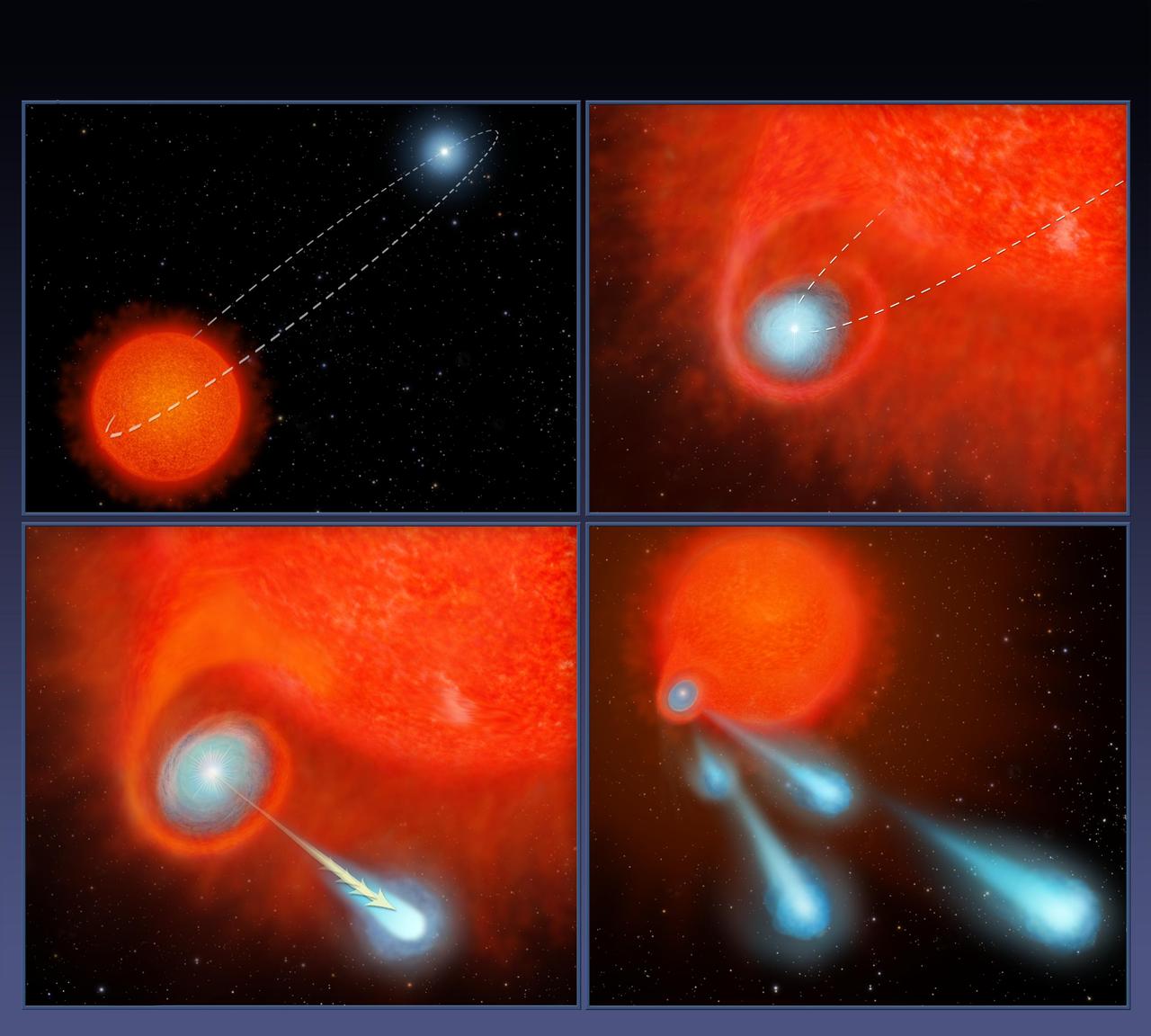
This four-panel graphic based on data from NASA's Hubble Space Telescope illustrates how the binary-star system V Hydrae is launching balls of plasma into space.
Universo · 4 min

Por que tantas estrelas nascem e vivem em pares

Muitas estrelas compartilham uma órbita porque nuvens de gás em colapso podem se dividir; esses pares também permitem medir massas estelares.

Ler matéria →
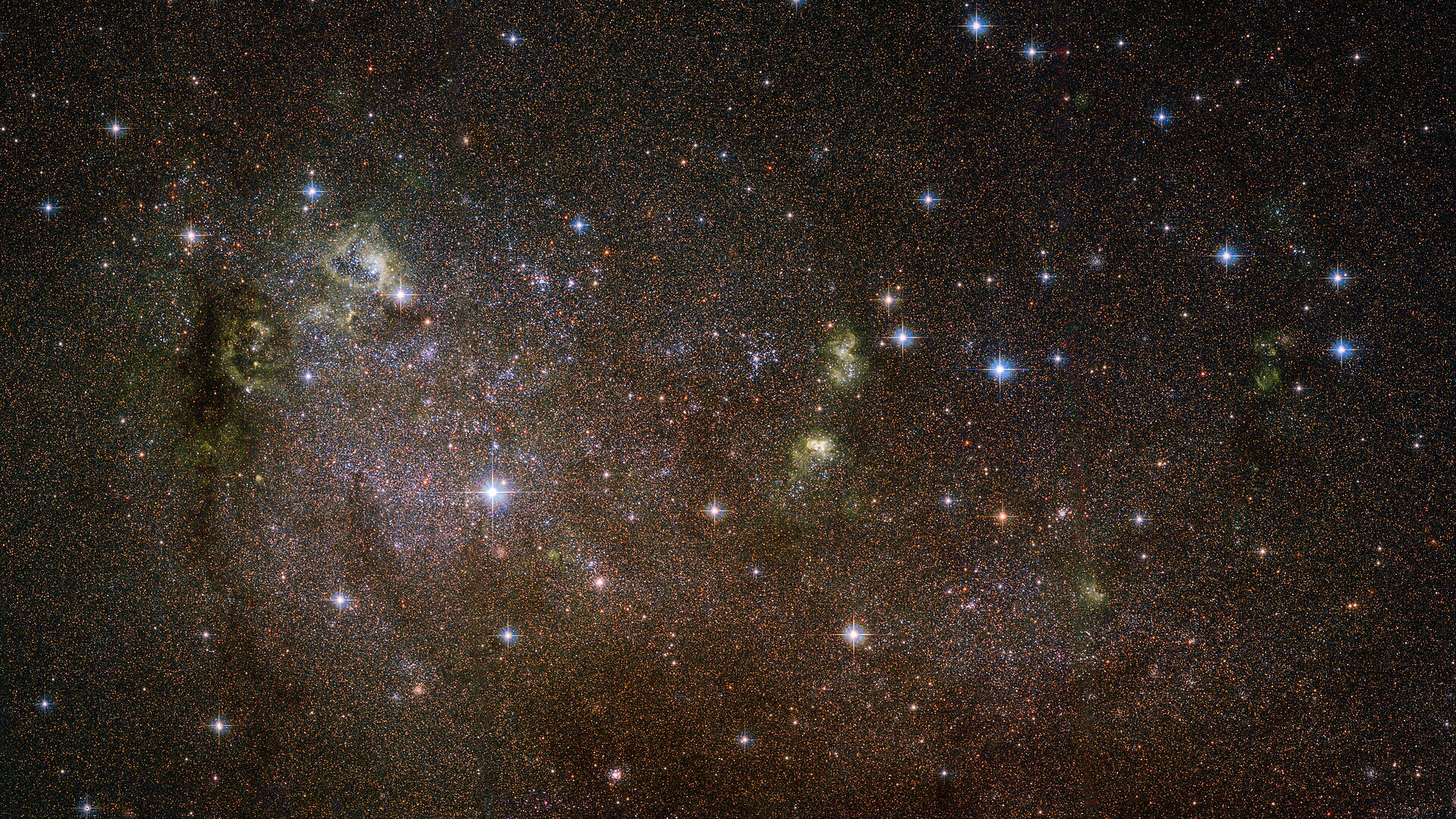
This image shows an irregular galaxy named IC 10, a member of the Local Group — a collectiongrouping of over 50 galaxies inwithin our cosmic neighbourhood that includes the Milky Way. IC 10 is a remarkable object. It is the closest-known starburst galaxy to us, meaning that it is undergoing a furious bout of star formation fueled by ample supplies of cool hydrogen gas. This gas condensescongeals into vast molecular clouds, which then formcondense into dense knots where pressures and temperatures
Universo · 5 min

Por que as galáxias têm formas tão diferentes no Universo

Espirais, elípticas e formas irregulares não são apenas desenhos no céu: elas registram movimento, gás, formação estelar e encontros gravitacionais.

Ler matéria →
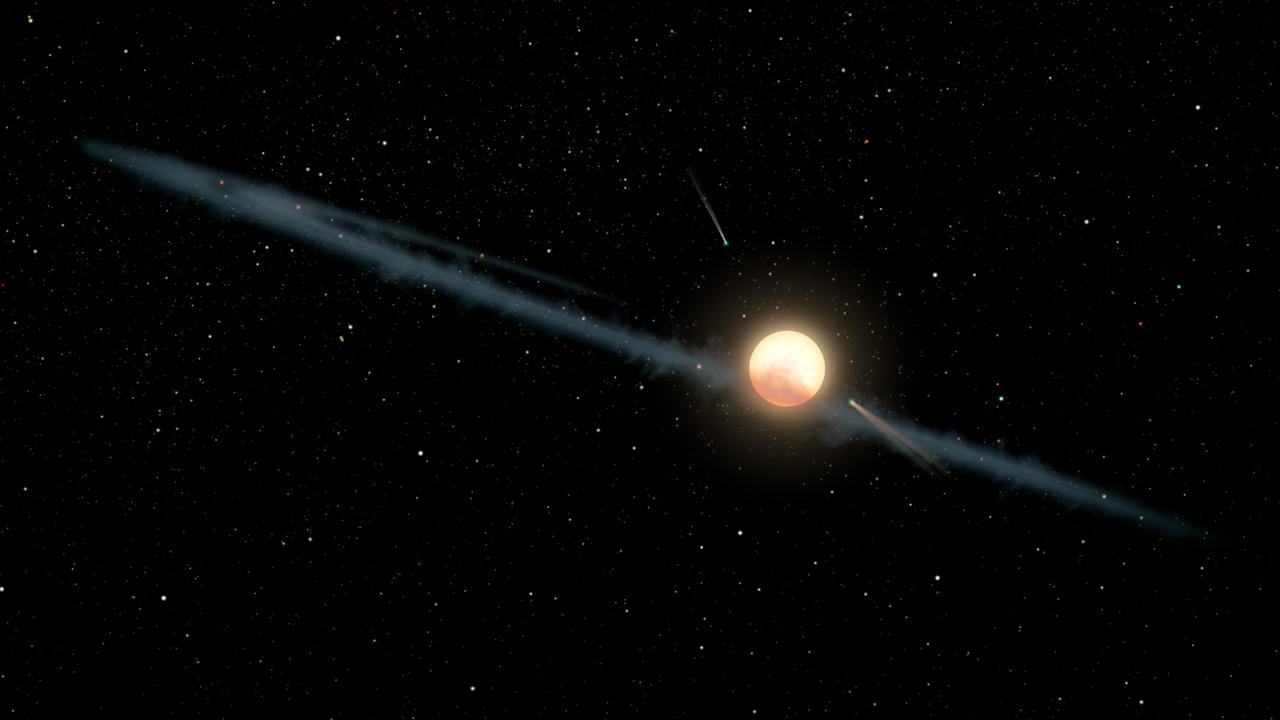
This illustration depicts a hypothetical uneven ring of dust orbiting KIC 8462852, also known as Boyajian's Star or Tabby's Star.
Universo · 4 min

Por que uma estrela não desaba sobre si mesma enquanto brilha

A gravidade tenta comprimir uma estrela sem parar, mas a energia produzida no núcleo sustenta um equilíbrio delicado que pode durar bilhões de anos.

Ler matéria →
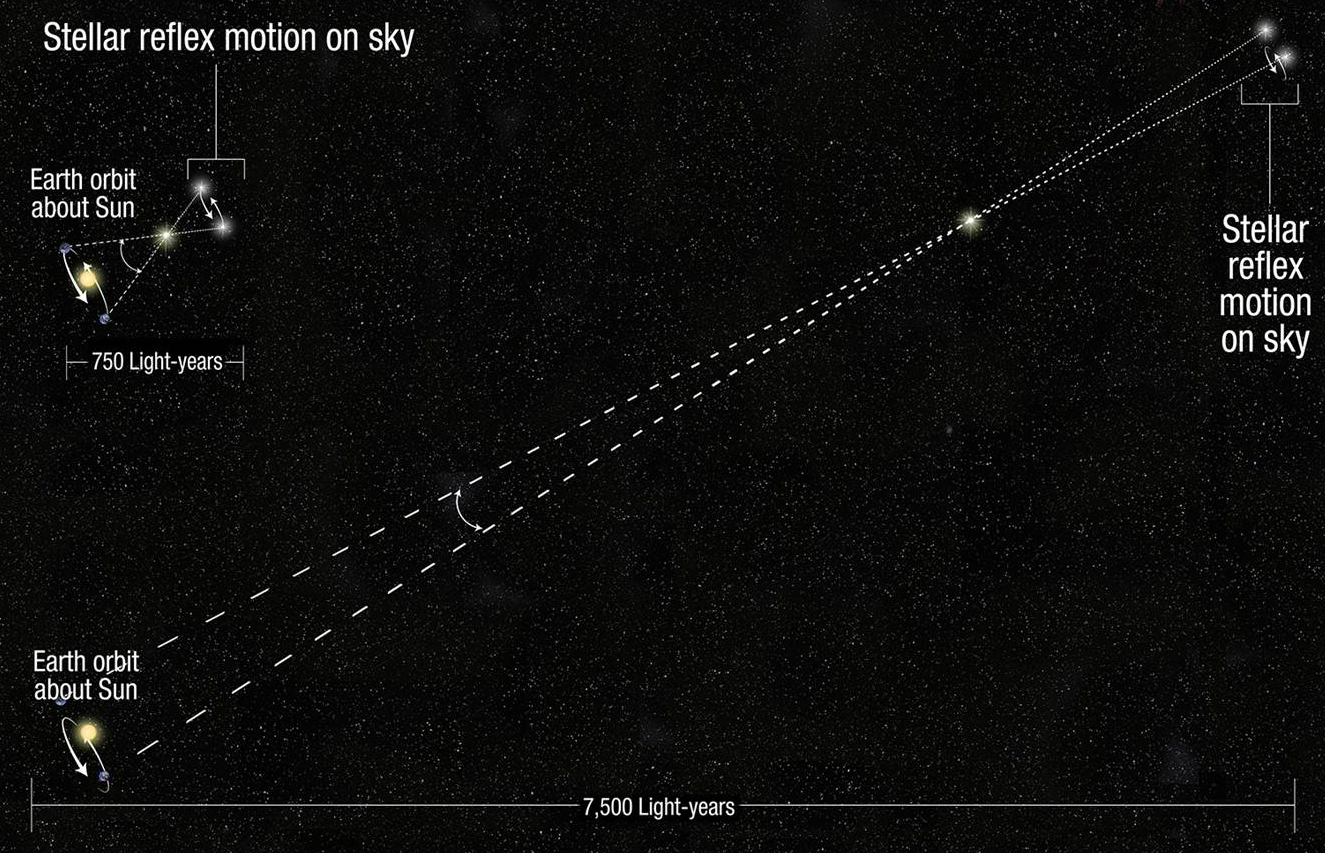
April 10, 2014 RELEASE 14-104 NASA's Hubble Extends Stellar Tape Measure 10 Times Farther Into Space Illustration of spatial scanning By applying a technique called spatial scanning to an age-old method for gauging distances called astronomical parallax, scientists now can use NASA’s Hubble Space Telescope to make precision distance measurements 10 times farther into our galaxy than previously possible. http://www.nasa.gov/press/2014/april/nasas-hubble-extends-stellar-tape-measure-10-times-farth
Universo · 4 min

O que é um parsec e por que astrônomos usam essa distância

O parsec nasce de um pequeno deslocamento aparente das estrelas. Entenda a unidade e por que ela é útil para medir o cosmos.

Ler matéria →
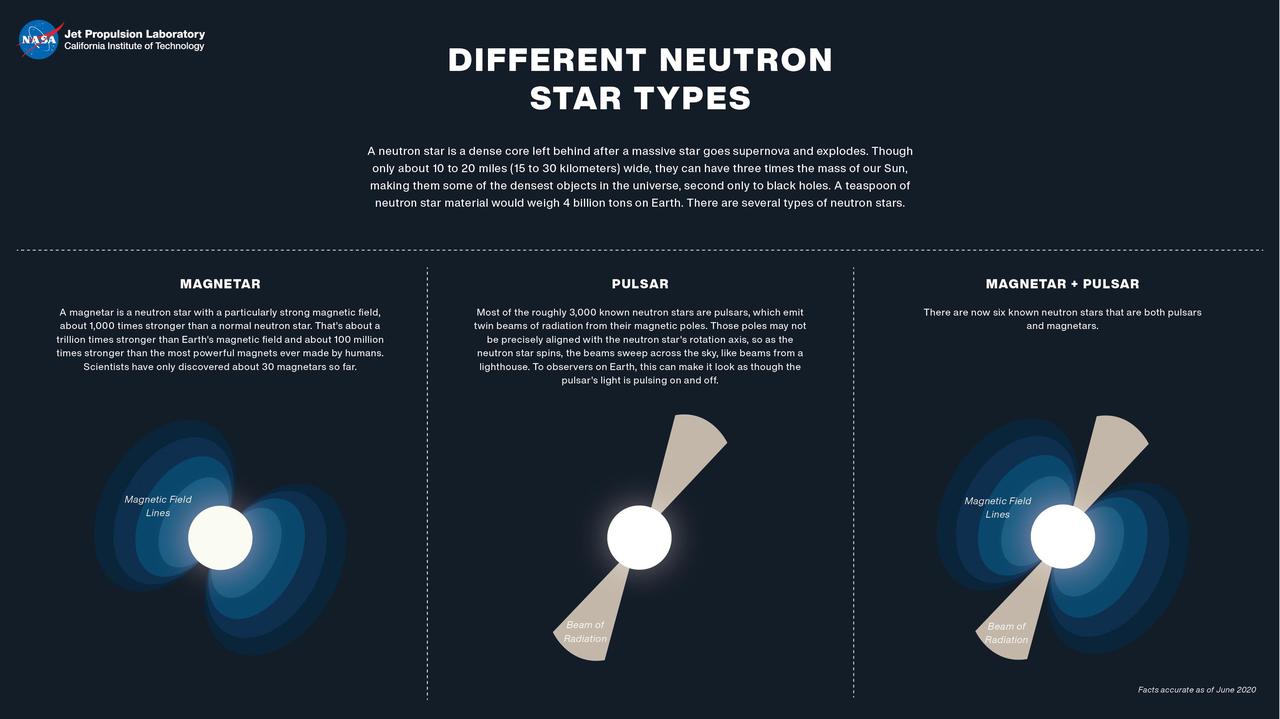
Neutron stars, or cores leftover from exploded stars, are some of the densest objects in the universe. There are several types of neutron stars, shown in this illustration, including magnetars and pulsars.
Universo · 3 min

O que é uma estrela de nêutrons e por que ela é tão compacta

Quando uma estrela massiva colapsa, seu núcleo pode virar uma esfera minúscula e extrema. Veja o que sabemos sobre as estrelas de nêutrons.

Ler matéria →
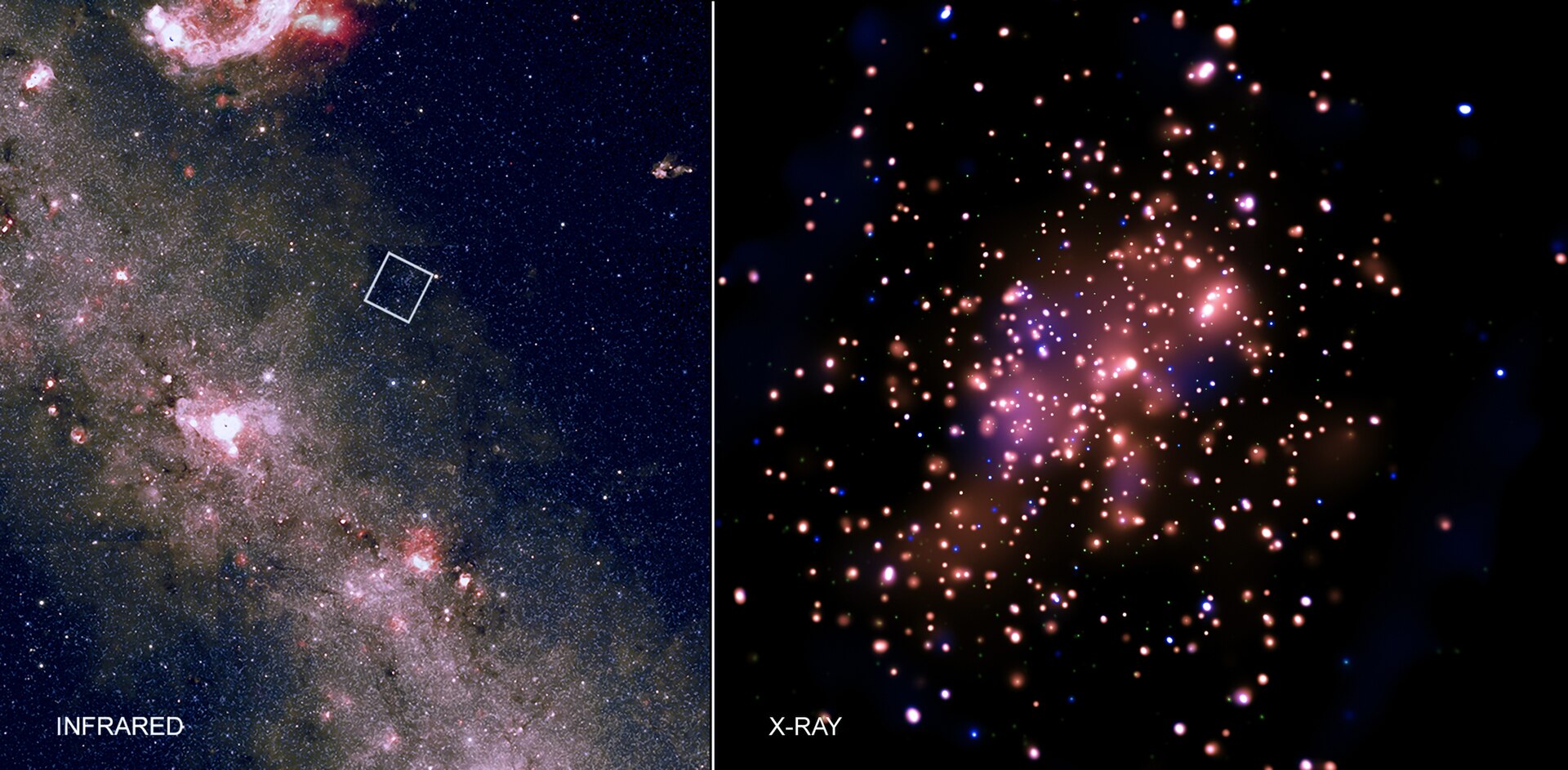
Description from the Chandra X-ray Center: In some ways, star clusters are like giant families with thousands of stellar siblings. These stars come from the same origins — a common cloud of gas and dust — and are bound to one another by gravity. Astronomers think that our Sun was born in a star cluster about 4.6 billion years ago that quickly dispersed. By studying young star clusters, astronomers hope to learn more about how stars — including our Sun — are born. NGC 6231, located about 5,200 li
Universo · 4 min

Por que estrelas mais pesadas vivem menos tempo que estrelas leves

Ter mais combustível não garante uma vida estelar longa: estrelas muito massivas gastam energia em ritmo muito mais intenso.

Ler matéria →
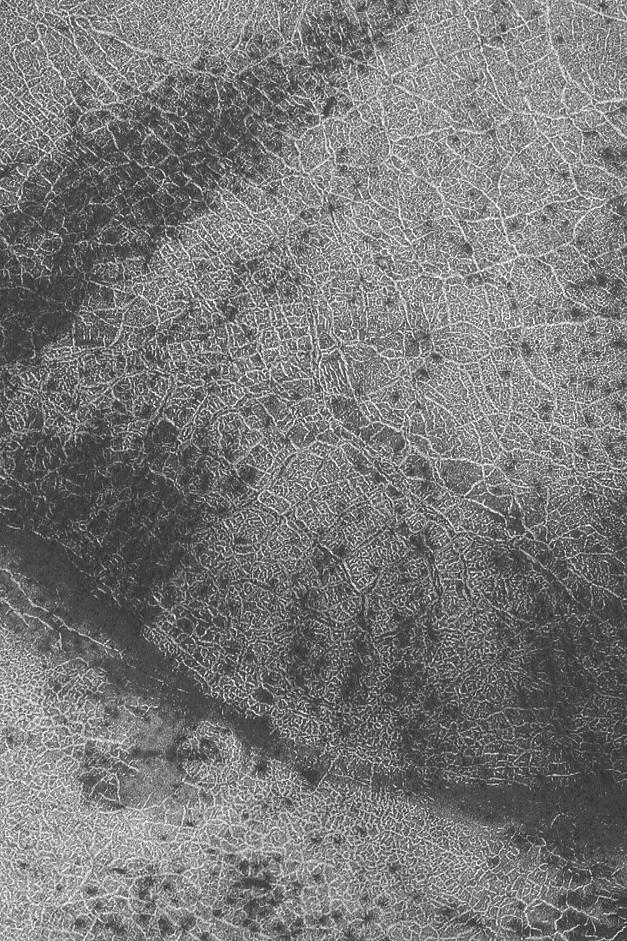
Martian City Map
Universo · 4 min

Poluição luminosa: por que a cidade apaga as estrelas

Luzes mal direcionadas espalham claridade pelo céu e reduzem o contraste das estrelas. Entenda o problema e por que apagar tudo não é a única solução.

Ler matéria →
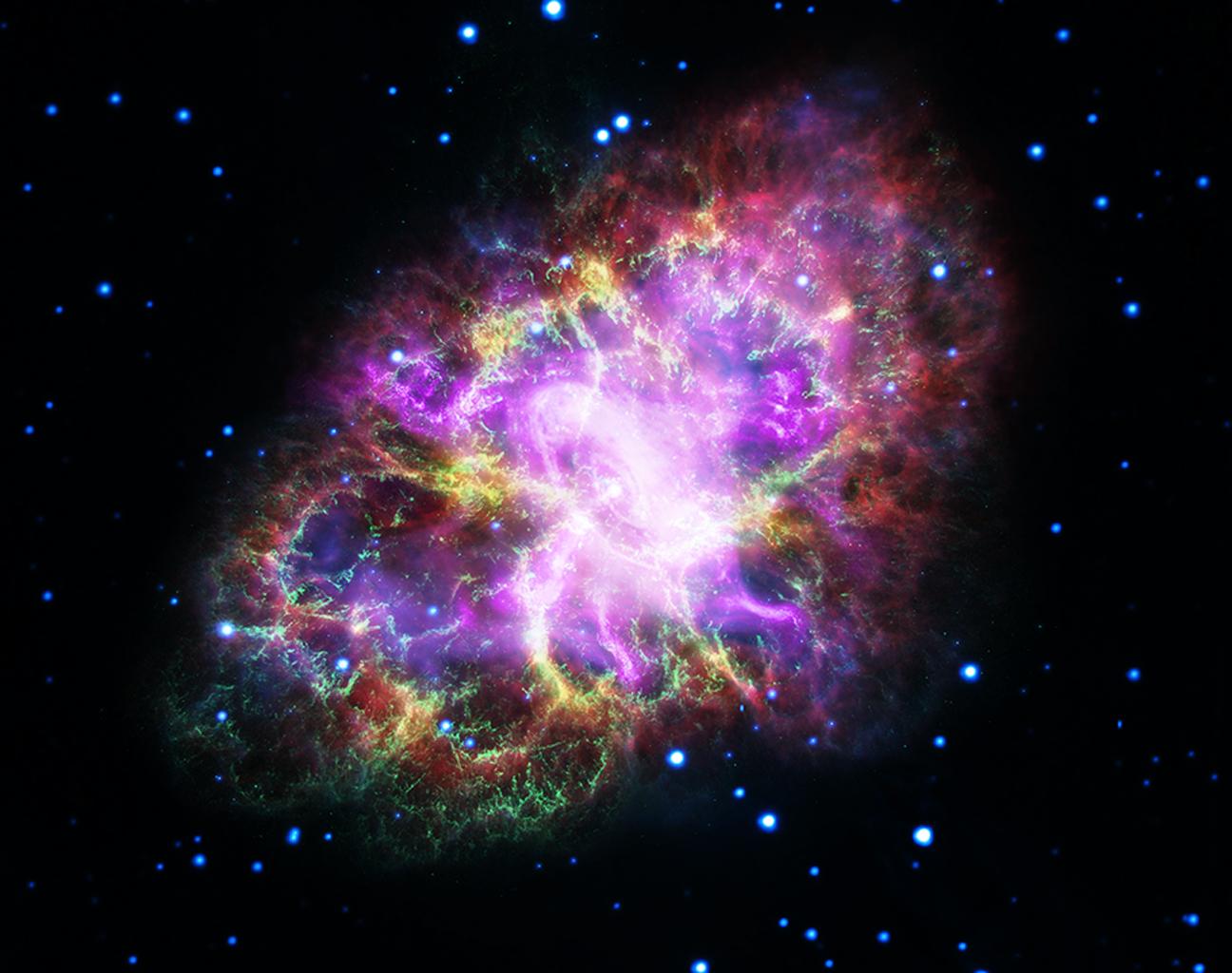
This image of the Crab Nebula combines data from five different telescopes. It is know as the expanding gaseous remnant from a star that self-detonated as a supernova, briefly shining as brightly as 400 million suns.
Universo · 4 min

Magnitude astronômica: por que números menores brilham mais

Na escala de magnitude, um número menor indica maior brilho aparente. Veja de onde vem essa convenção e por que ela não mede o tamanho da estrela.

Ler matéria →
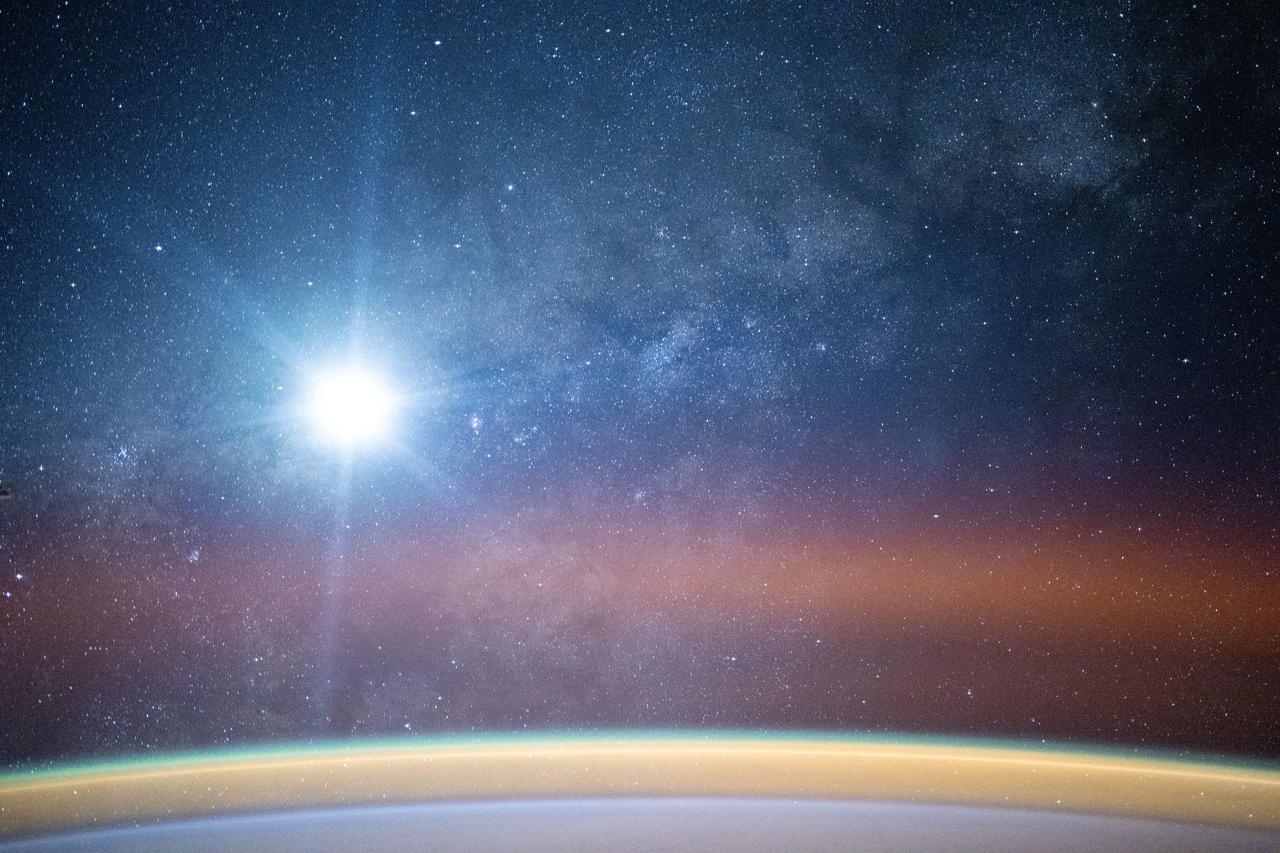
728U1969.NEF
Universo · 4 min

Como sabemos o formato da Via Láctea vivendo dentro dela

Não podemos fotografar a Via Láctea de fora, mas luz, rádio, distâncias e movimentos permitem montar um mapa testável de nossa galáxia espiral.

Ler matéria →
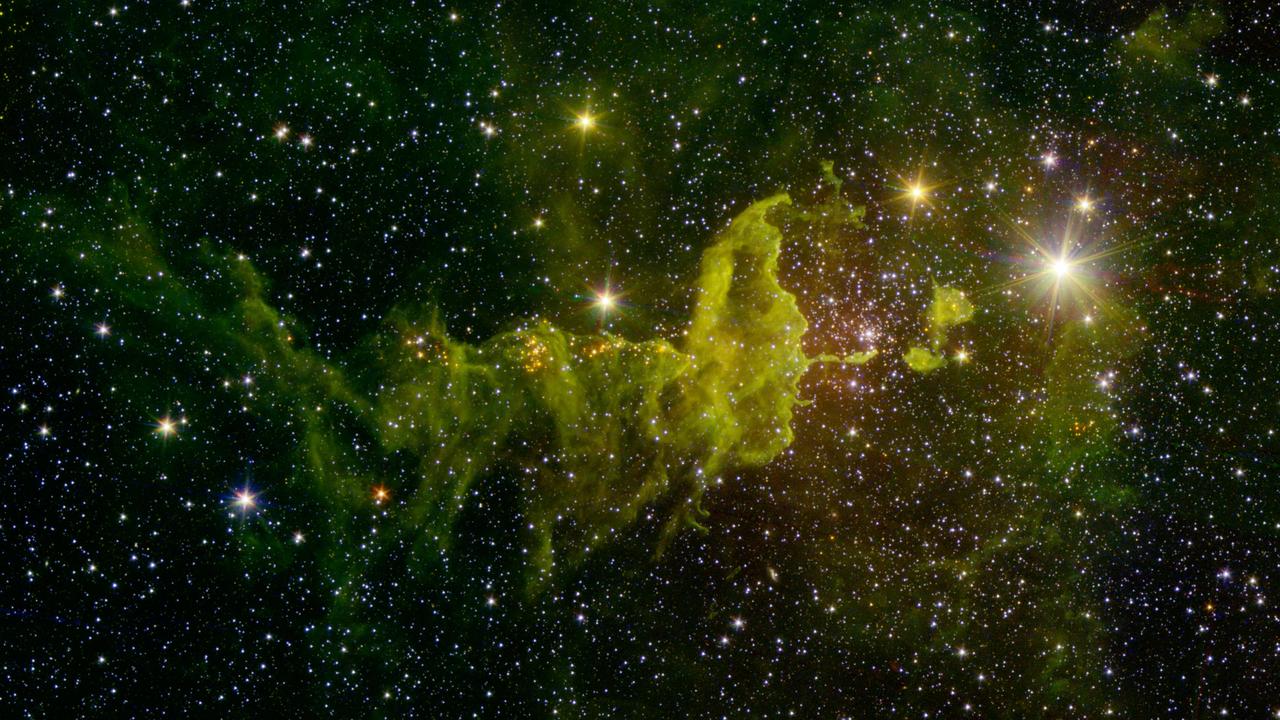
The spider part of The Spider and the Fly nebulae, IC 417 abounds in star formation, as seen in this infrared image from NASA Spitzer Space Telescope and the Two Micron All Sky Survey 2MASS.
Universo · 4 min

Por que uma nuvem de gás não vira uma estrela de uma vez

Nuvens interestelares podem ter matéria para muitas estrelas, mas gravidade, calor, rotação e turbulência dividem esse material antes do nascimento.

Ler matéria →
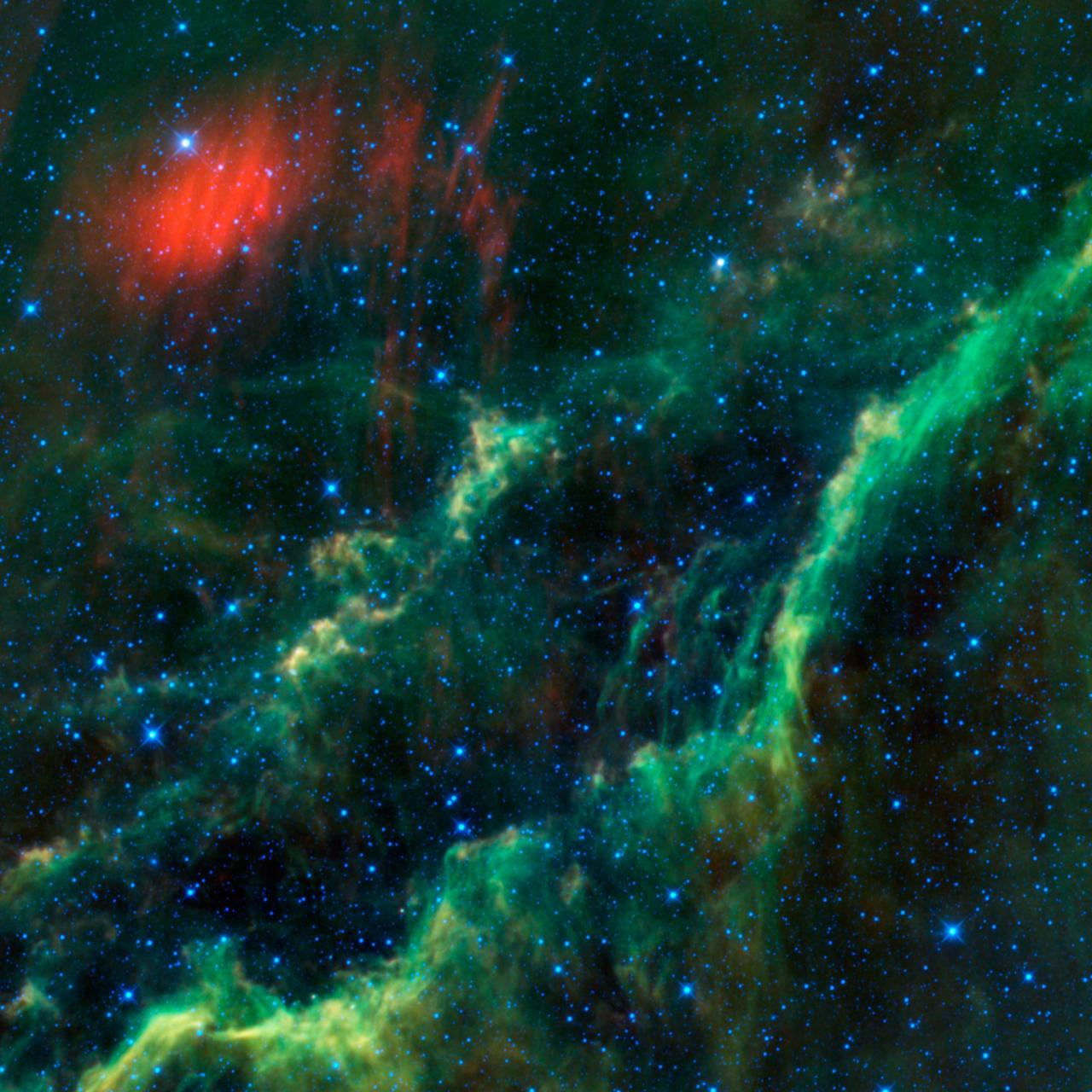
This infrared image from NASA Wide-field Infrared Survey Explorer features one of the bright stars in the constellation Perseus, named Menkhib, along with a large star forming cloud commonly called the California Nebula.
Universo · 4 min

Por que duas estrelas igualmente brilhantes podem ser tão diferentes

O brilho no céu mistura a energia emitida por uma estrela com sua distância. Entender essa diferença explica por que pontos parecidos podem ser astros muito distintos.

Ler matéria →
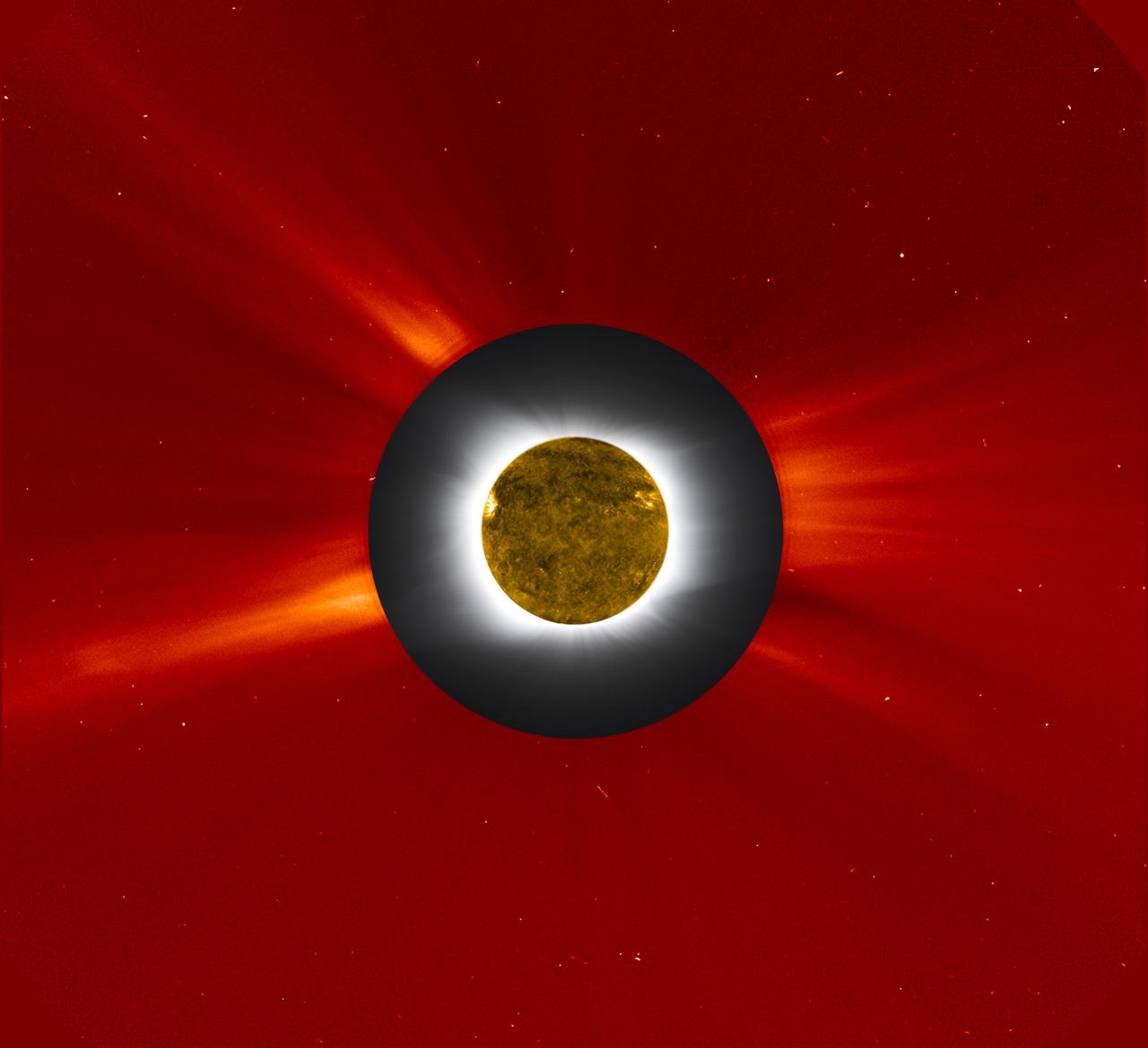
NASA's Solar Eclipse Composite Image July 11, 2010
Universo · 4 min

Por que a coroa do Sol é muito mais quente que sua superfície

A região mais externa da atmosfera solar alcança temperaturas muito maiores que a superfície visível, um enigma ainda investigado.

Ler matéria →
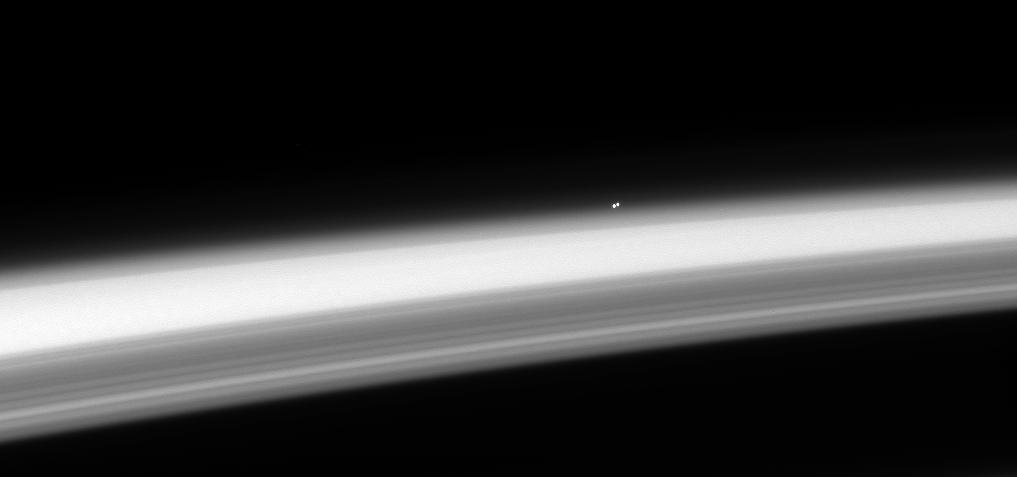
Stellar Horizon
Universo · 4 min

Como as estrelas fabricam elementos além do hidrogênio

O carbono do corpo, o oxigênio que respiramos e muitos metais nasceram em processos estelares. Veja o que as estrelas produzem — e onde essa fábrica para.

Ler matéria →
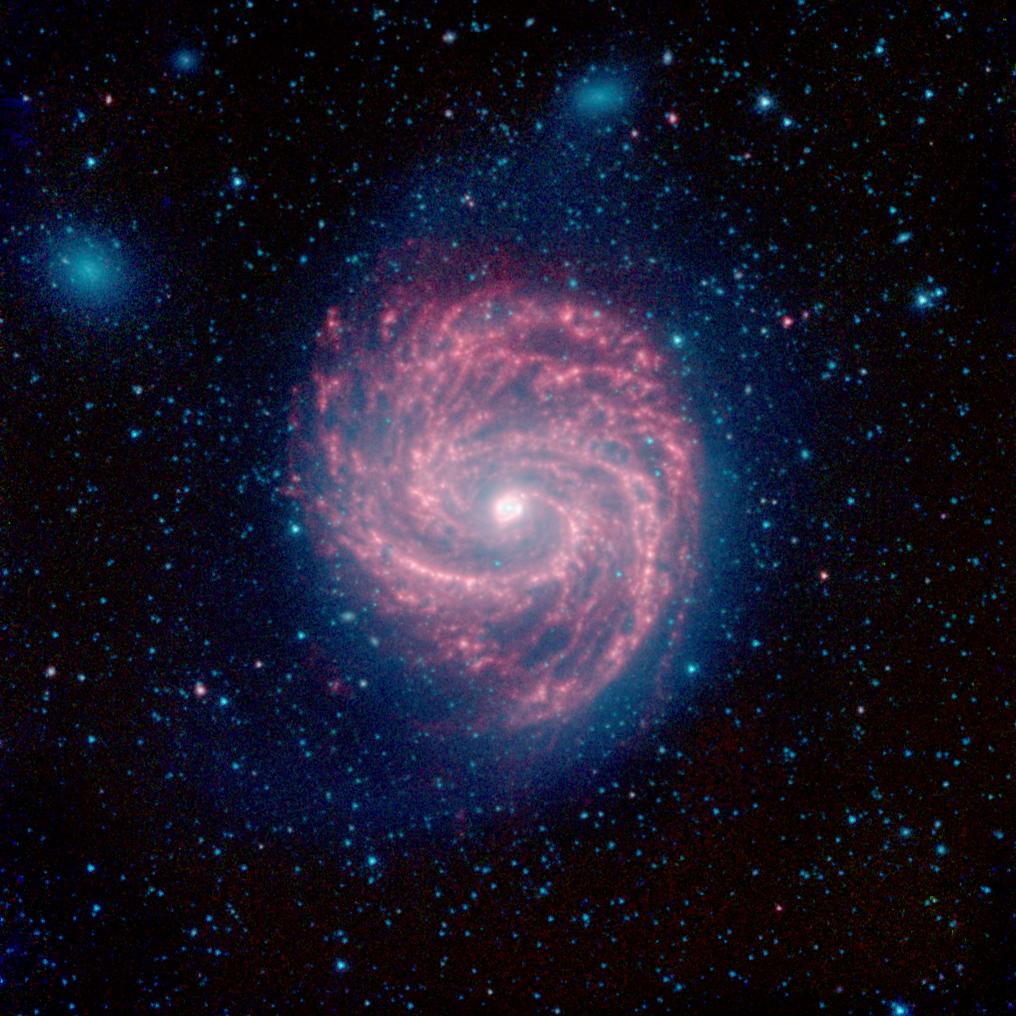
This infrared image, from NASA Spitzer Space Telescope, of M100 is a classic example of a grand design spiral galaxy, with prominent and well-defined spiral arms winding from the hot center, out to the cooler edges of the galaxy.
Universo · 3 min

Como os braços de uma galáxia espiral podem durar tanto

Os braços espirais não são trilhas rígidas de estrelas. Eles são padrões em movimento, onde gás se comprime e novas estrelas tornam o desenho visível.

Ler matéria →
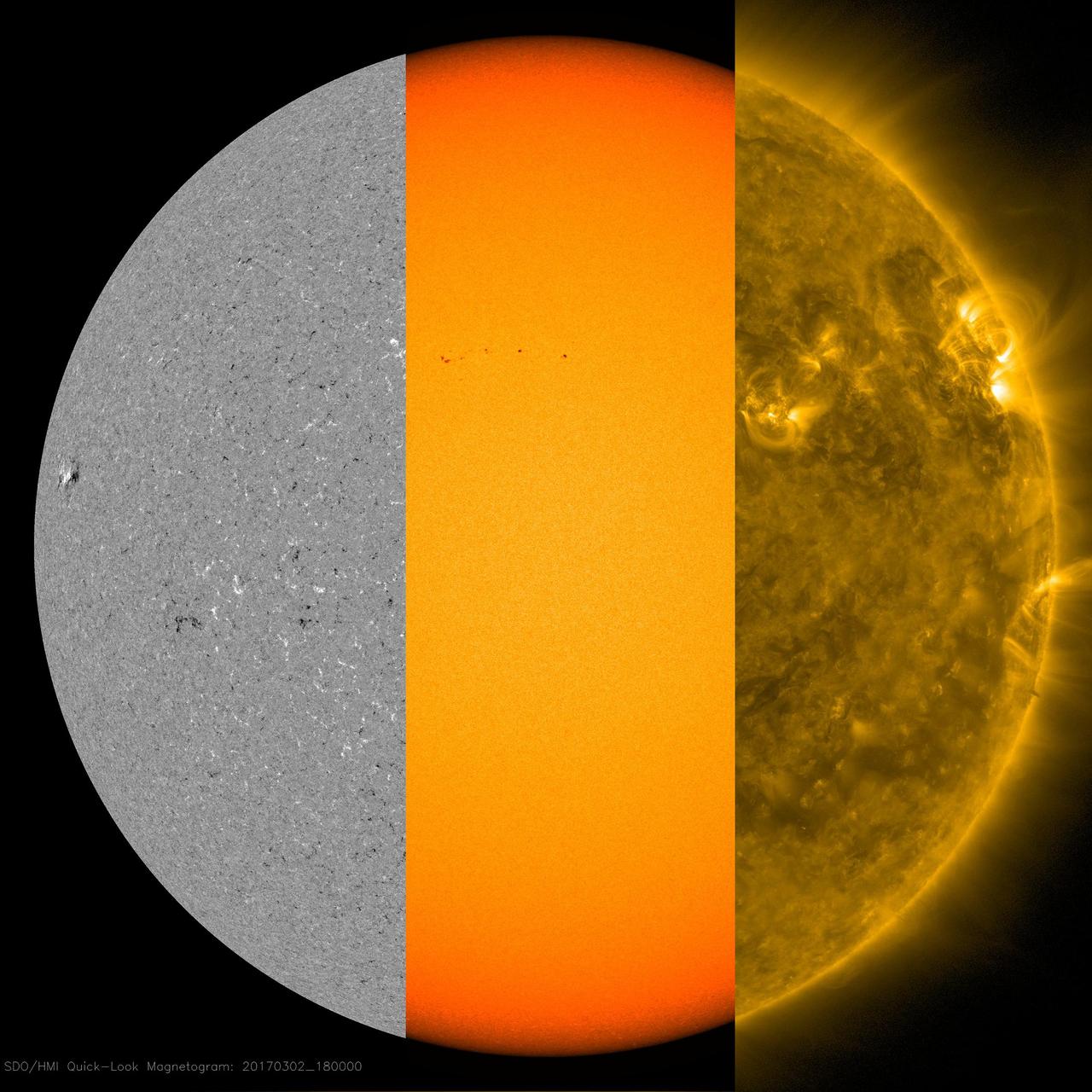
Several small sunspots appeared this week, giving NASA's Solar Dynamics Observatory a chance to illustrate their sources Mar. 2, 2017. Magnetic forces are the dynamic drivers here in these regions of the sun.
Universo · 3 min

Por que as manchas solares parecem escuras sem serem frias

Manchas solares são regiões muito quentes, mas parecem escuras por serem menos quentes que o entorno. Entenda o papel dos campos magnéticos do Sol.

Ler matéria →
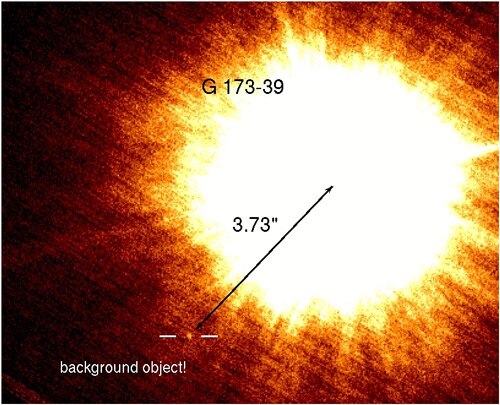
Faint ΔKs = 12.16 companion with a separation of 3.73 arcseconds from the central star. Follow-up observations revealed its background nature through proper motion arguments. If it were at the same distance as G173-39, it would correspond to a ~10 Mjup companion at 53.4 AU.
Universo · 4 min

Como sabemos que as estrelas mudam de posição no céu

As constelações parecem imóveis numa vida humana, mas as estrelas viajam pela galáxia. Comparar posições ao longo do tempo revela um céu que muda devagar.

Ler matéria →

Duas mãos estendidas uma em direção à outra sobre um fundo escuro e quente, simbolizando conexão.
Universo · 5 min

A história da humanidade: como rastros viraram memória e registros

A história humana não é uma escada de progresso contínuo. Ela é reconstruída por fósseis, objetos, genes, línguas e textos, cada qual com seus próprios limites.

Ler matéria →
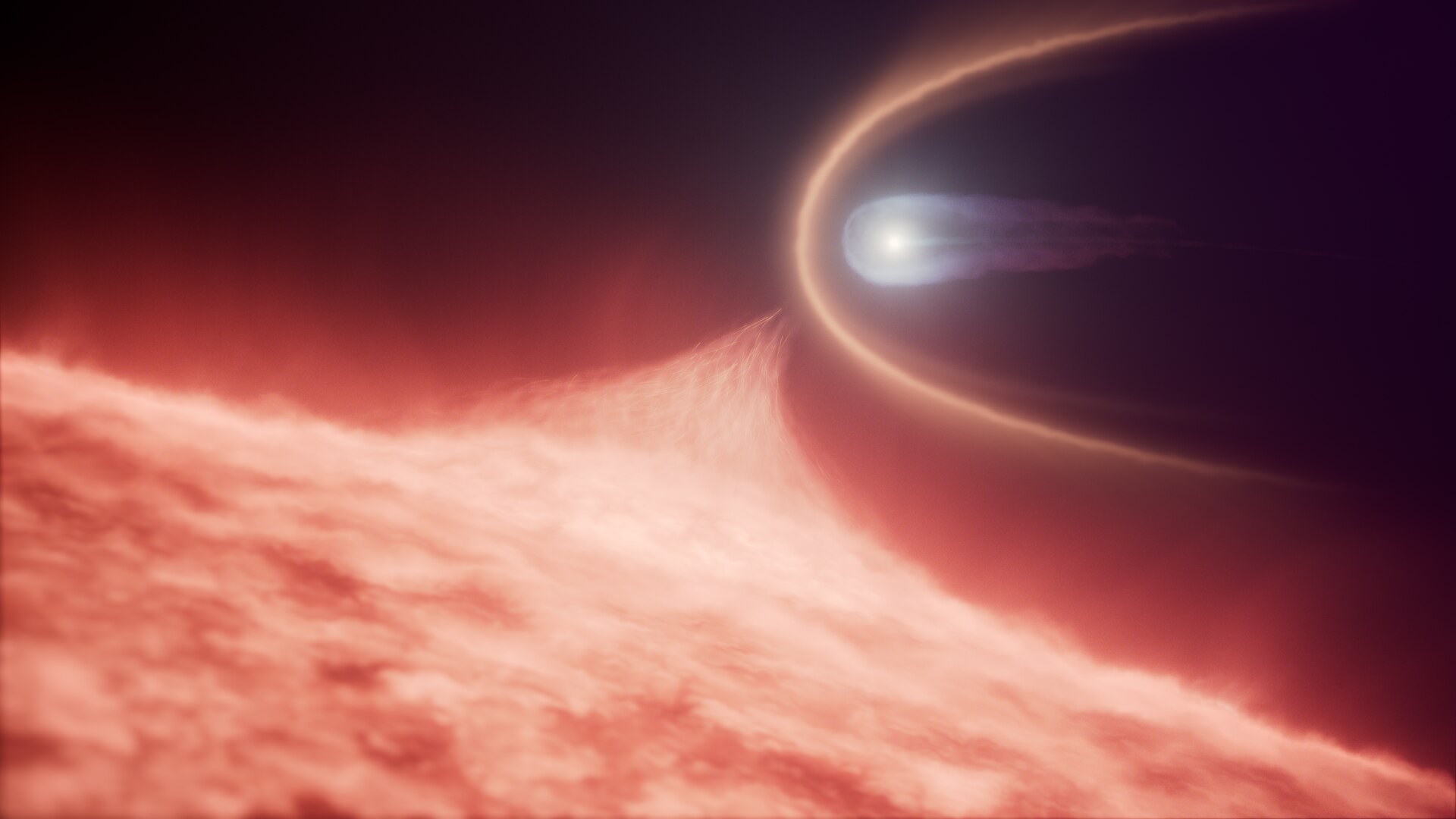
This image is an illustration of a merging white dwarf remnant. An international team of astronomers using the NASA/ESA Hubble Space Telescope have discovered a stellar rarity: an ultra-massive white dwarf that formed when a white dwarf merged with another star, rather than through the evolution of a single star. This discovery, which was made possible by Hubble’s sensitive ultraviolet observations, suggests that these rare white dwarfs may be more common than previously suspected.[Image descrip
Universo · 4 min

Como uma estrela termina como anã branca ou supernova

O destino de uma estrela não depende de ela “queimar tudo” de uma vez. Sua massa determina se o fim será calmo, explosivo ou ainda mais extremo.

Ler matéria →
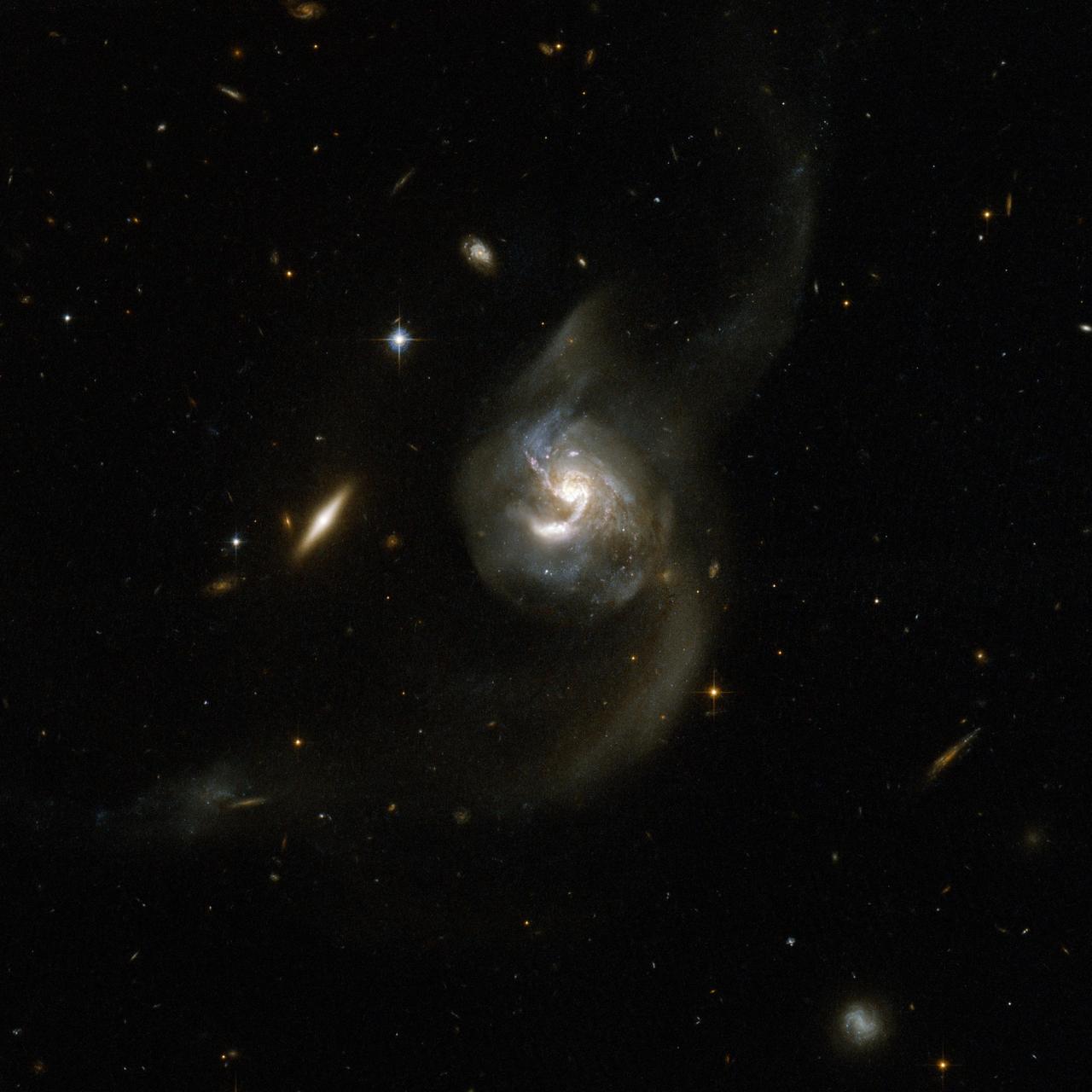
NGC 6090 is a beautiful pair of spiral galaxies with an overlapping central region and two long tidal tails formed from material ripped out of the galaxies by gravitational interaction. This image is from NASA Hubble Space Telescope.
Universo · 3 min

Quando galáxias colidem, por que suas estrelas quase não se chocam

Galáxias podem atravessar umas às outras e mudar de forma sem virar um amontoado de estrelas batendo. O motivo é a enorme distância entre seus astros.

Ler matéria →
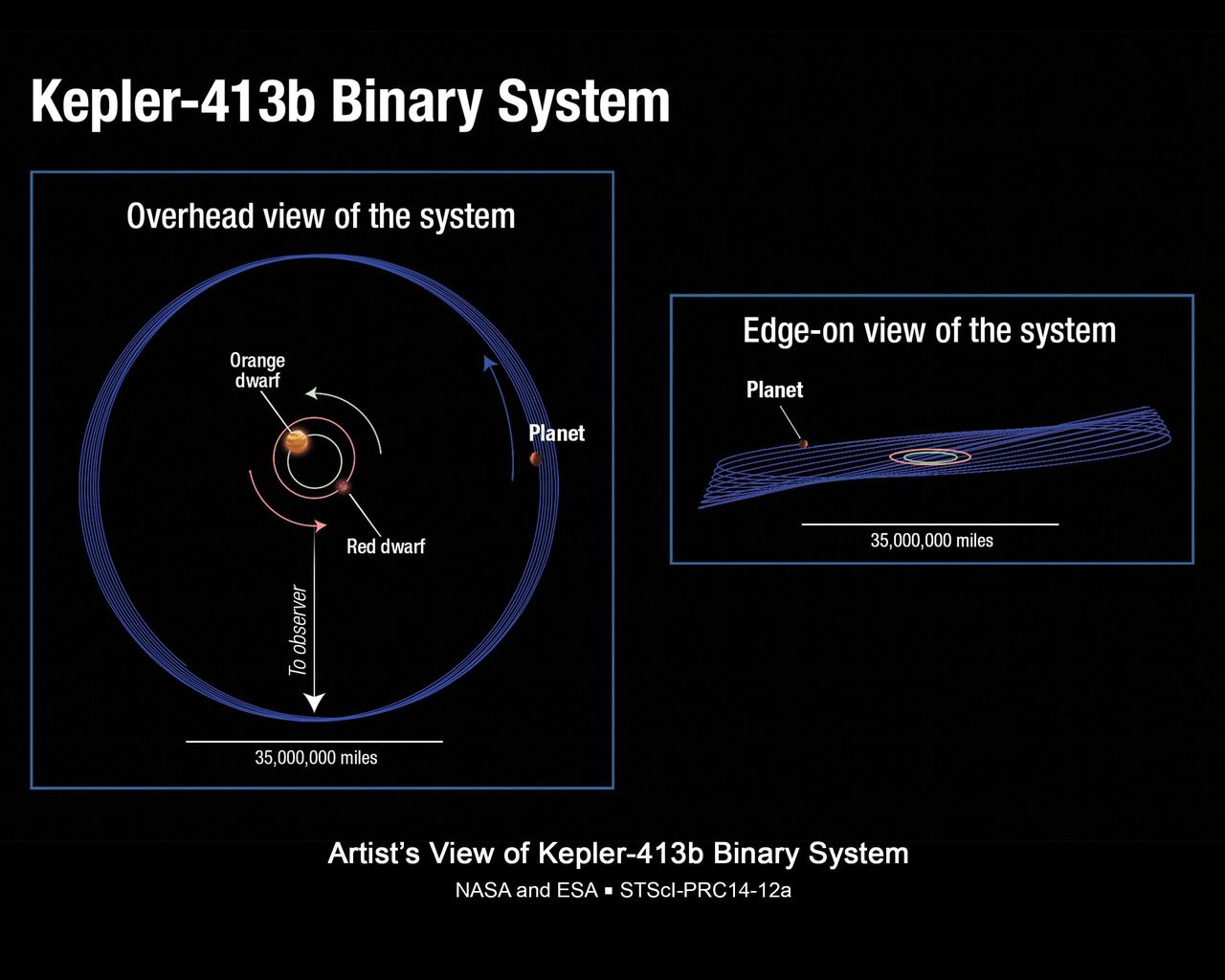
This illustration shows the unusual orbit of planet Kepler-413b around a close pair of orange and red dwarf stars. The planet 66-day orbit is tilted 2.5 degrees with respect to the plane of the binary stars orbit.
Universo · 4 min

Como a gravidade permite pesar planetas e estrelas

Ninguém coloca uma estrela em uma balança. Astrônomos estimam massas ao medir como a gravidade muda o movimento de luas, planetas e estrelas vizinhas.

Ler matéria →
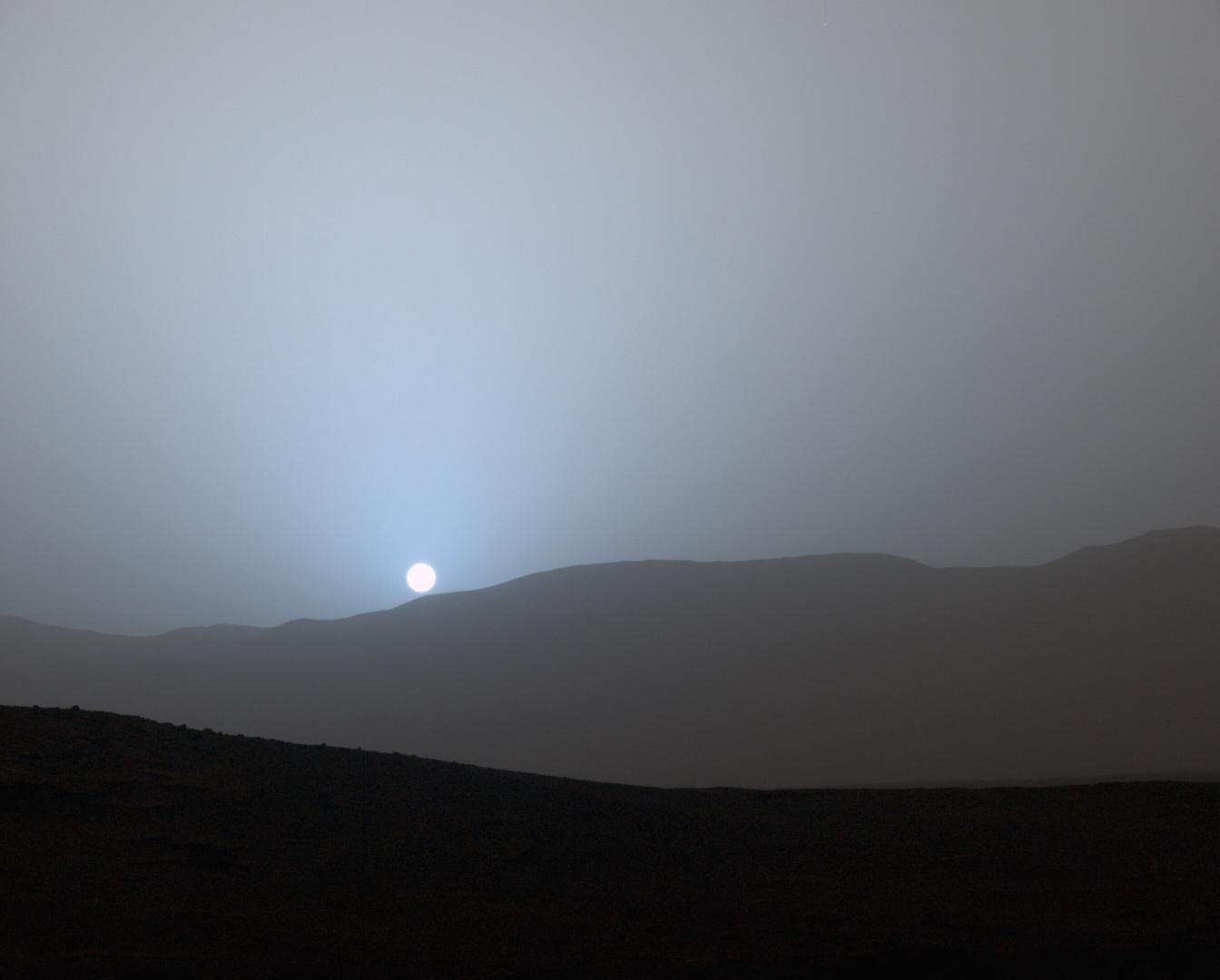
NASA Curiosity Mars rover recorded this view of the sun setting at the close of the mission 956th Martian day, or sol April 15, 2015, from the rover location in Gale Crater.
Universo · 4 min

Por que o céu é azul e o pôr do Sol fica avermelhado

A luz do Sol parece branca, mas a atmosfera separa parte de suas cores no caminho. Isso explica tanto o azul do dia quanto os tons quentes do entardecer.

Ler matéria →
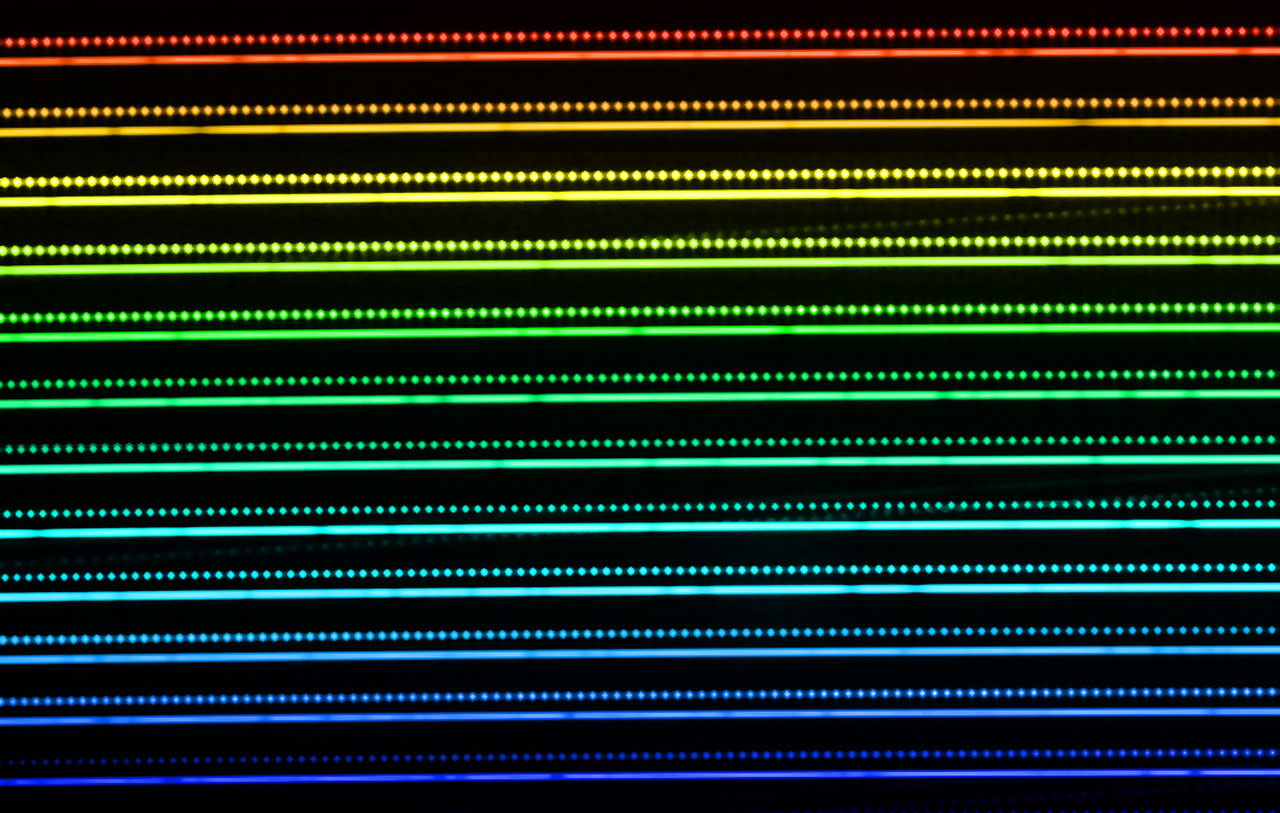
This picture illustrates part of a spectrum of a star obtained using the HARPS instrument on the ESO 3.6-metre telescope at the La Silla Observatory in Chile. The lines are the light from the star spread out in great detail into its component colours. The dark gaps in the lines are absorption features from different elements in the star. The regularly spaced bright spots just above the lines are the spectrum of the laser frequency comb that is used for comparison. The very stable nature and regu
Universo · 5 min

Como a luz revela de que são feitas as estrelas

Astrônomos não precisam tocar uma estrela para investigar sua composição: a luz dela traz linhas que funcionam como pistas físicas dos elementos presentes.

Ler matéria →