Astronomia Básica← Início
ARQUIVO EDITORIAL

Todas as matérias

504 matérias encontradas
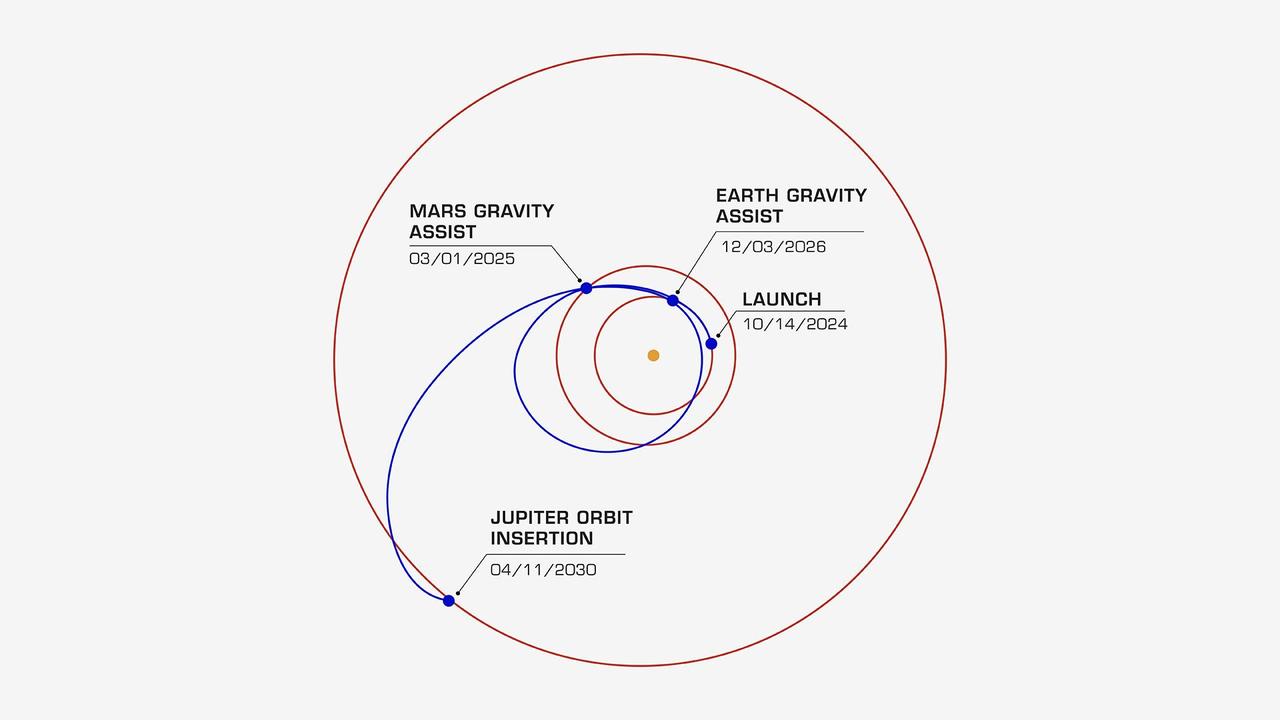
On its journey to the Jupiter system, NASA's Europa Clipper will take a path that swings past Mars, then Earth, using the gravity of each planet as a slingshot to boost the spacecraft's speed.
Sistema Solar · 3 min

Por que os planetas mais distantes percorrem órbitas mais devagar

A distância ao Sol muda o caminho e a velocidade dos planetas. Entenda por que um ano em Netuno é tão mais longo que um ano na Terra.

Ler matéria →
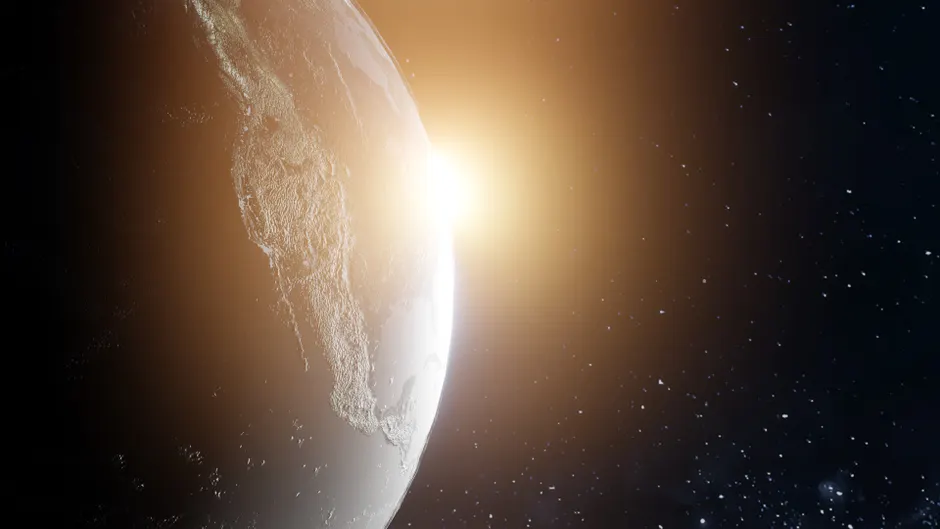
Uma vista deslumbrante da Terra com o sol nascendo, iluminando o planeta no espaço.
Exploração · 4 min

Onde termina a atmosfera da Terra e começa o espaço?

Não há uma parede sobre nossas cabeças: a atmosfera fica cada vez mais rarefeita, e a fronteira do espaço é uma convenção útil.

Ler matéria →
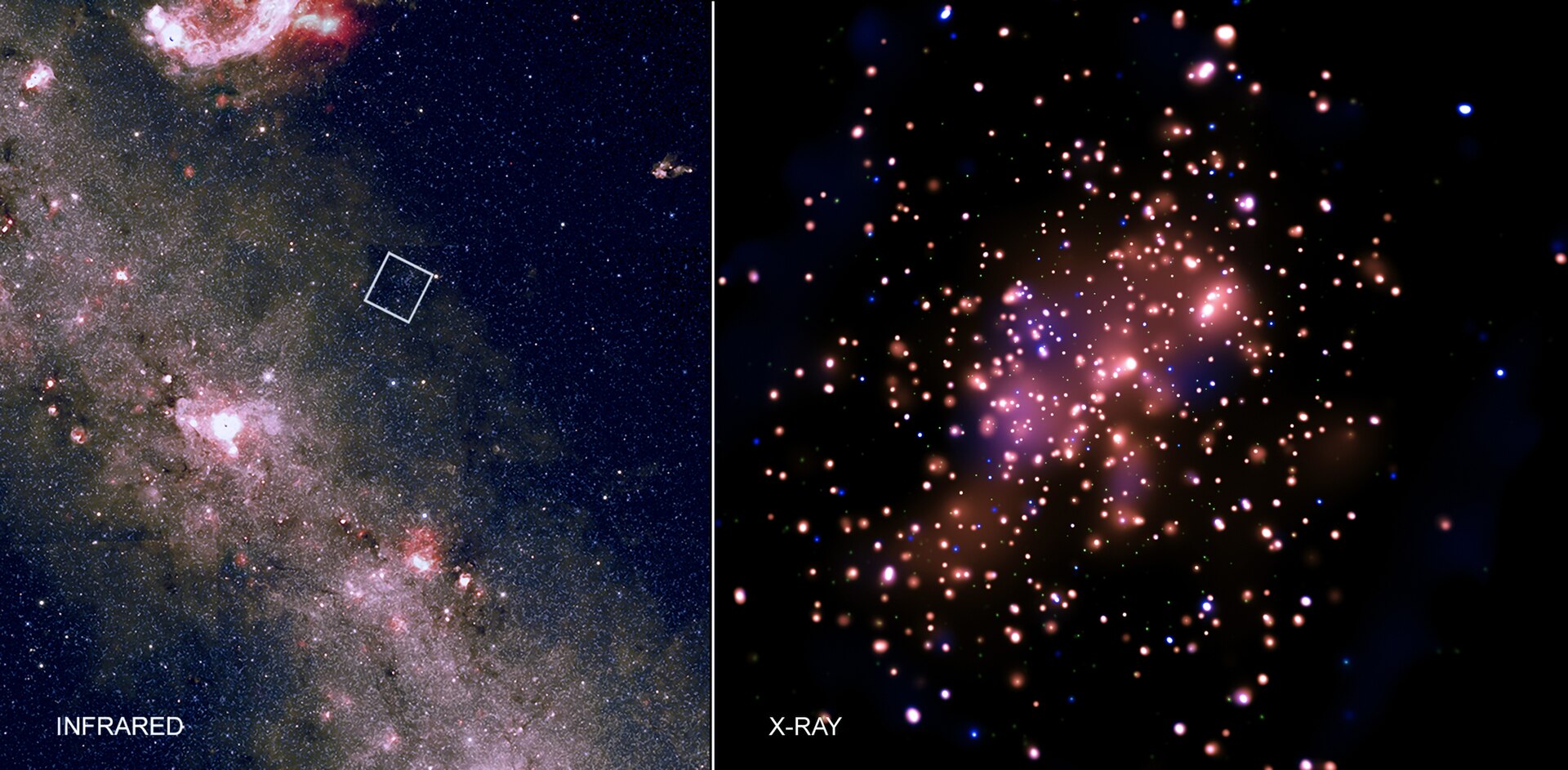
Description from the Chandra X-ray Center: In some ways, star clusters are like giant families with thousands of stellar siblings. These stars come from the same origins — a common cloud of gas and dust — and are bound to one another by gravity. Astronomers think that our Sun was born in a star cluster about 4.6 billion years ago that quickly dispersed. By studying young star clusters, astronomers hope to learn more about how stars — including our Sun — are born. NGC 6231, located about 5,200 li
Universo · 4 min

Por que estrelas mais pesadas vivem menos tempo que estrelas leves

Ter mais combustível não garante uma vida estelar longa: estrelas muito massivas gastam energia em ritmo muito mais intenso.

Ler matéria →
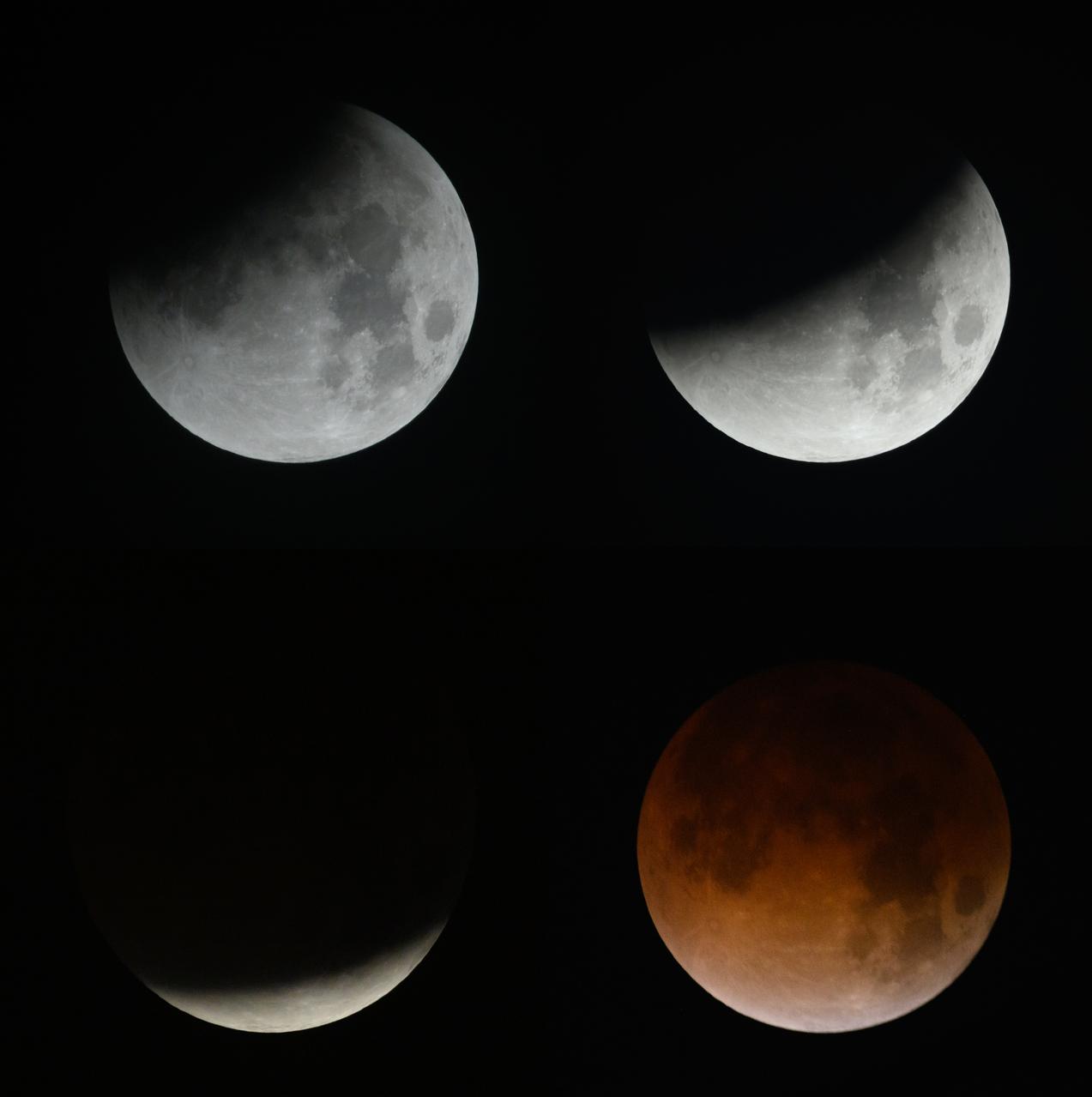
Total Lunar Eclipse 2026 – New Orleans
Sistema Solar · 4 min

Por que a Lua fica vermelha durante um eclipse lunar total

Mesmo dentro da sombra da Terra, a Lua não desaparece: a atmosfera terrestre desvia luz avermelhada até sua superfície.

Ler matéria →
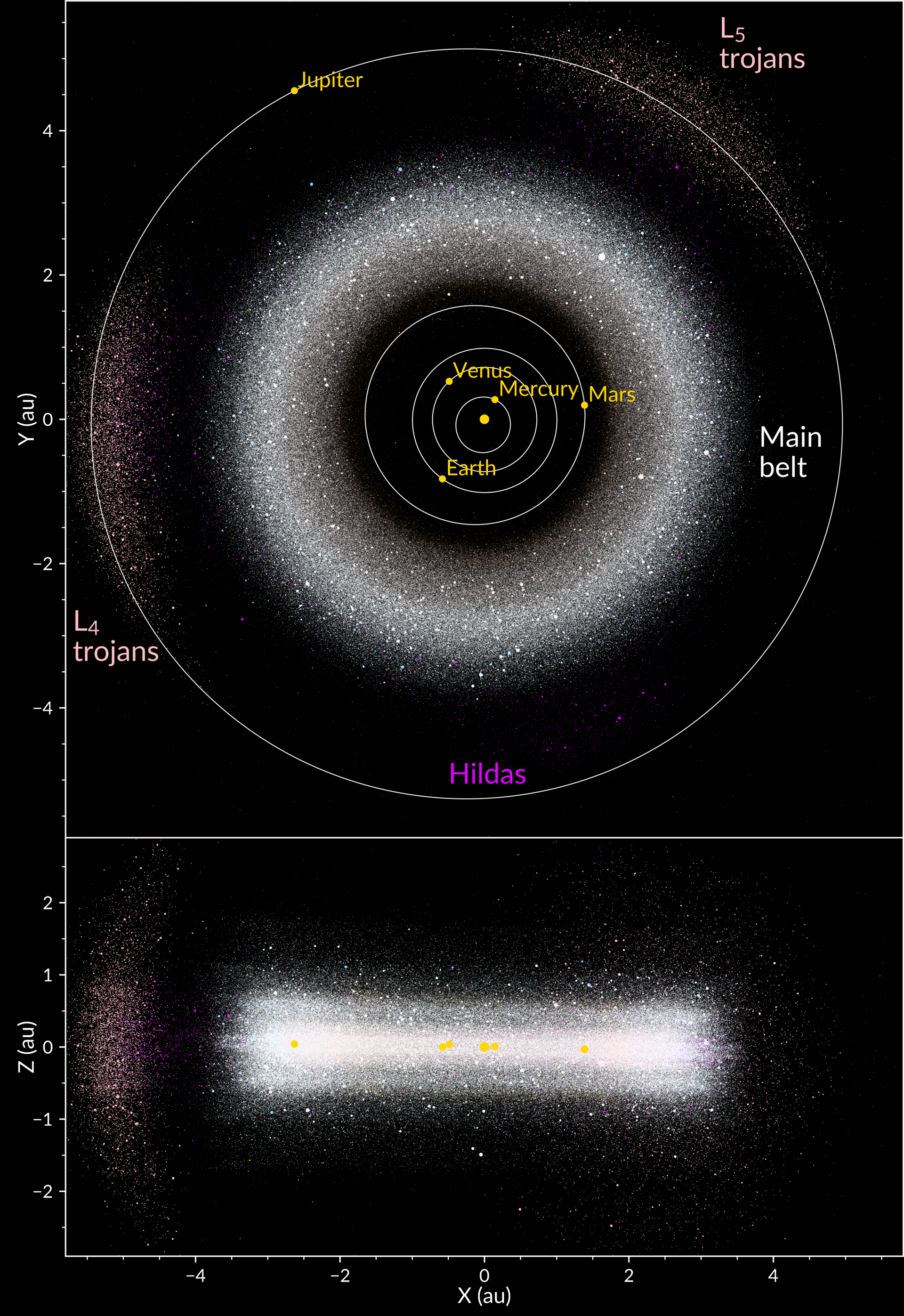
Plot of the position in space, as of the instant of midnight Teph 15 May 2026, of 1,509,325 asteroids, mostly in the asteroid belt. Positions of asteroids, the inner planets, and Jupiter are in the J2000 ecliptic frame, with the z-axis normal to Earth's orbit as of 1 January 2000 and the x-axis oriented toward the March equinox. For planets, positions should be exact (from JPL DE440). For minor bodies, positions are extrapolated from other epochs (mostly MJD 61000.0, 21 November 2025) assuming p
Sistema Solar · 4 min

Por que o Sol também orbita um ponto que não fica no seu centro

O Sol domina o Sistema Solar, mas não fica absolutamente parado: ele e os planetas giram em torno de um centro de massa comum.

Ler matéria →
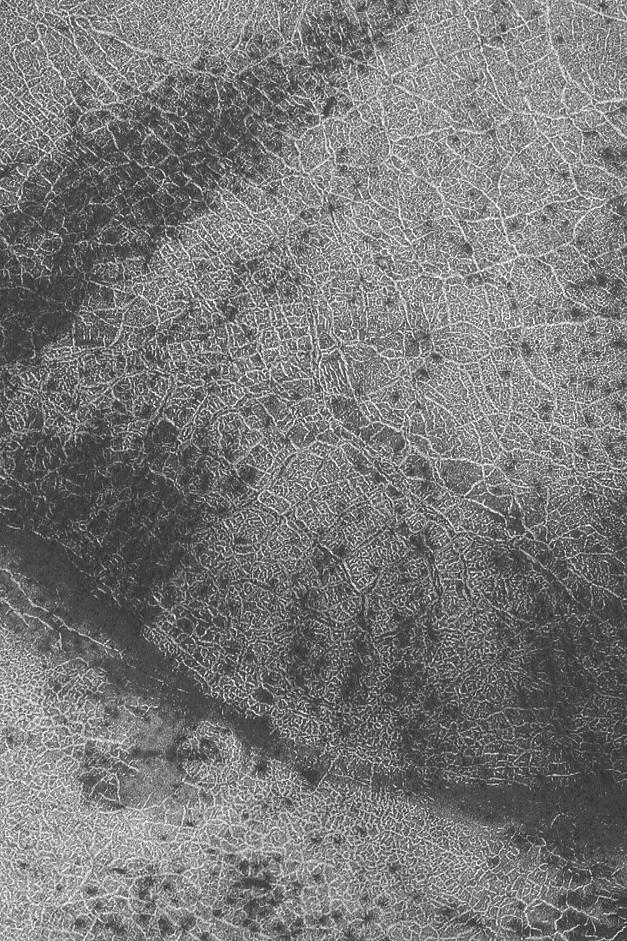
Martian City Map
Universo · 4 min

Poluição luminosa: por que a cidade apaga as estrelas

Luzes mal direcionadas espalham claridade pelo céu e reduzem o contraste das estrelas. Entenda o problema e por que apagar tudo não é a única solução.

Ler matéria →
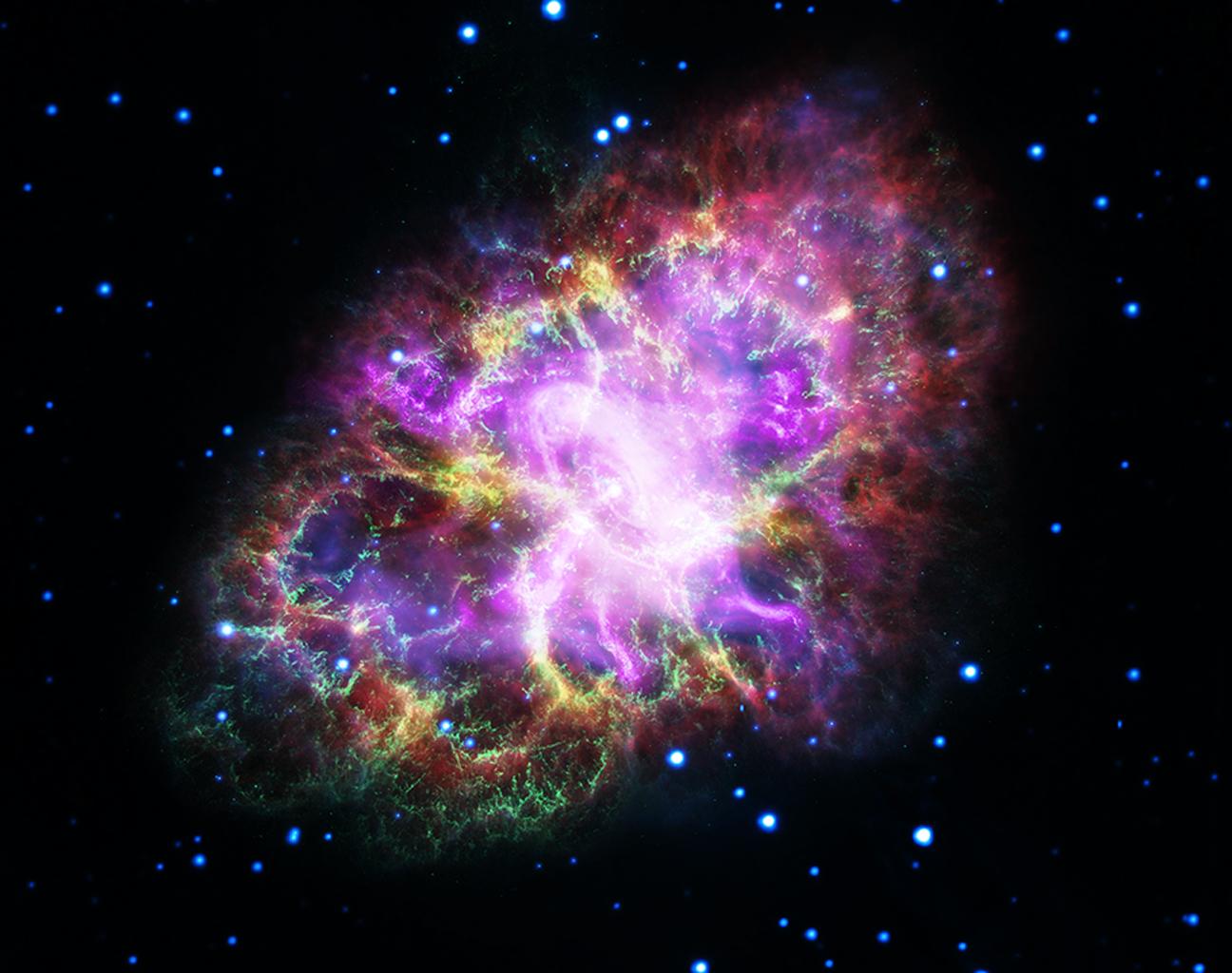
This image of the Crab Nebula combines data from five different telescopes. It is know as the expanding gaseous remnant from a star that self-detonated as a supernova, briefly shining as brightly as 400 million suns.
Universo · 4 min

Magnitude astronômica: por que números menores brilham mais

Na escala de magnitude, um número menor indica maior brilho aparente. Veja de onde vem essa convenção e por que ela não mede o tamanho da estrela.

Ler matéria →
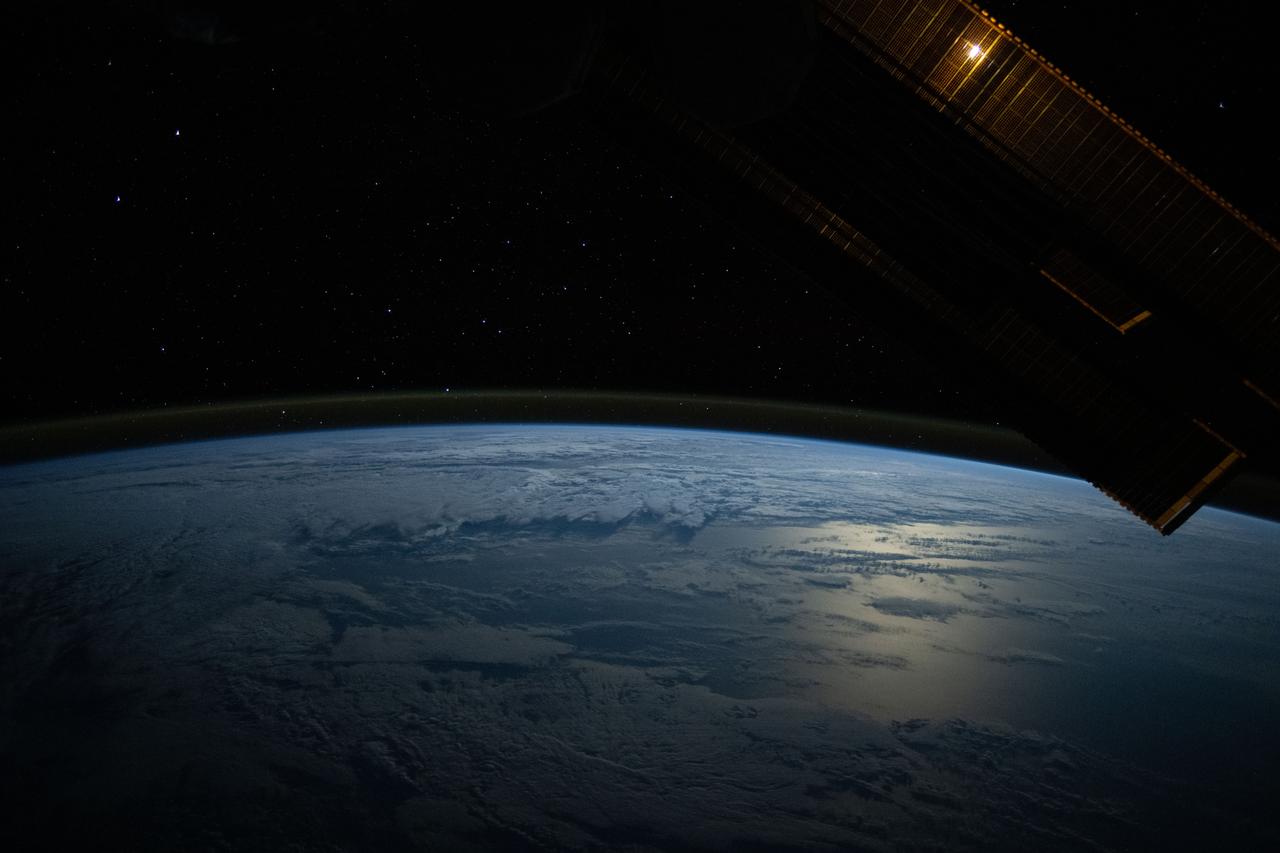
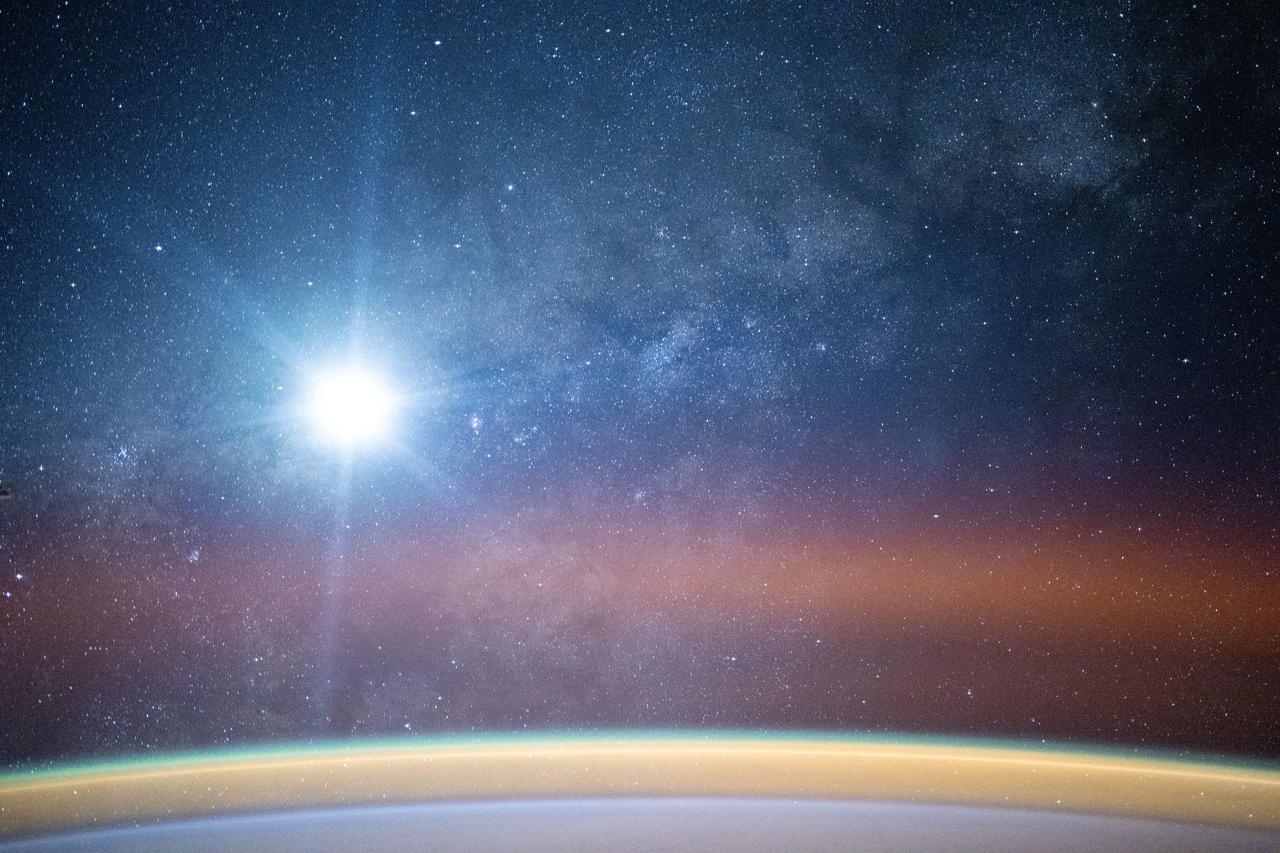
The Moon's glint beams off the Pacific Ocean as stars glitter in the background above the Earth's airglow. The Moon is obscured behind a solar array in this photograph from the International Space Station as it orbited 264 miles above.
Sistema Solar · 4 min

Por que a Lua se afasta da Terra poucos centímetros por ano

A Lua está se afastando lentamente porque as marés transferem energia da rotação terrestre para sua órbita. Entenda o mecanismo e seus limites.

Ler matéria →
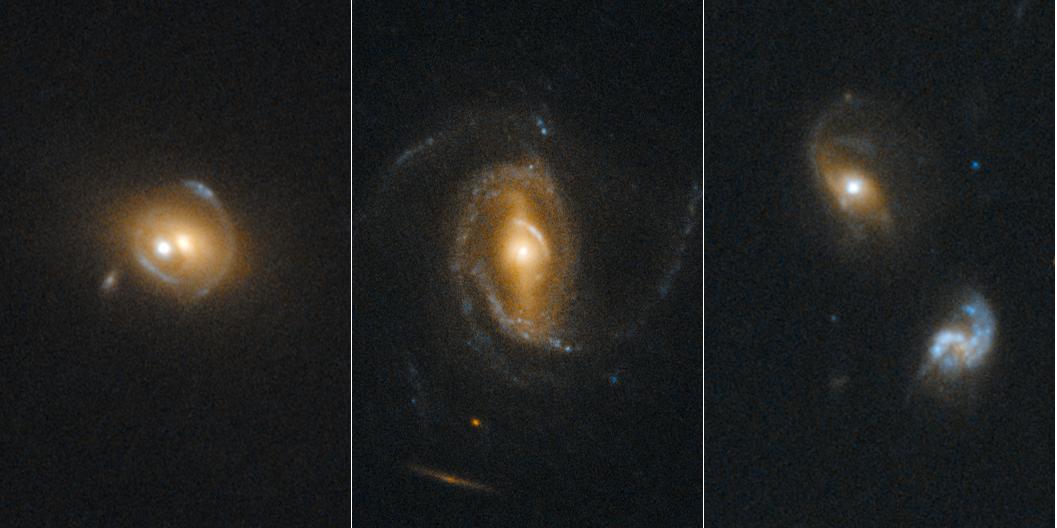
NASA Hubble Space Telescope sharp view was used to look for gravitational arcs and rings which are produced when one galaxy acts as a lens to magnify and distort the appearance of another galaxy behind it.
Cosmologia · 4 min

Como a gravidade transforma galáxias em lentes naturais

A luz parece viajar em linha reta, mas a gravidade pode curvá-la. Entenda como esse efeito revela objetos distantes e matéria invisível.

Ler matéria →
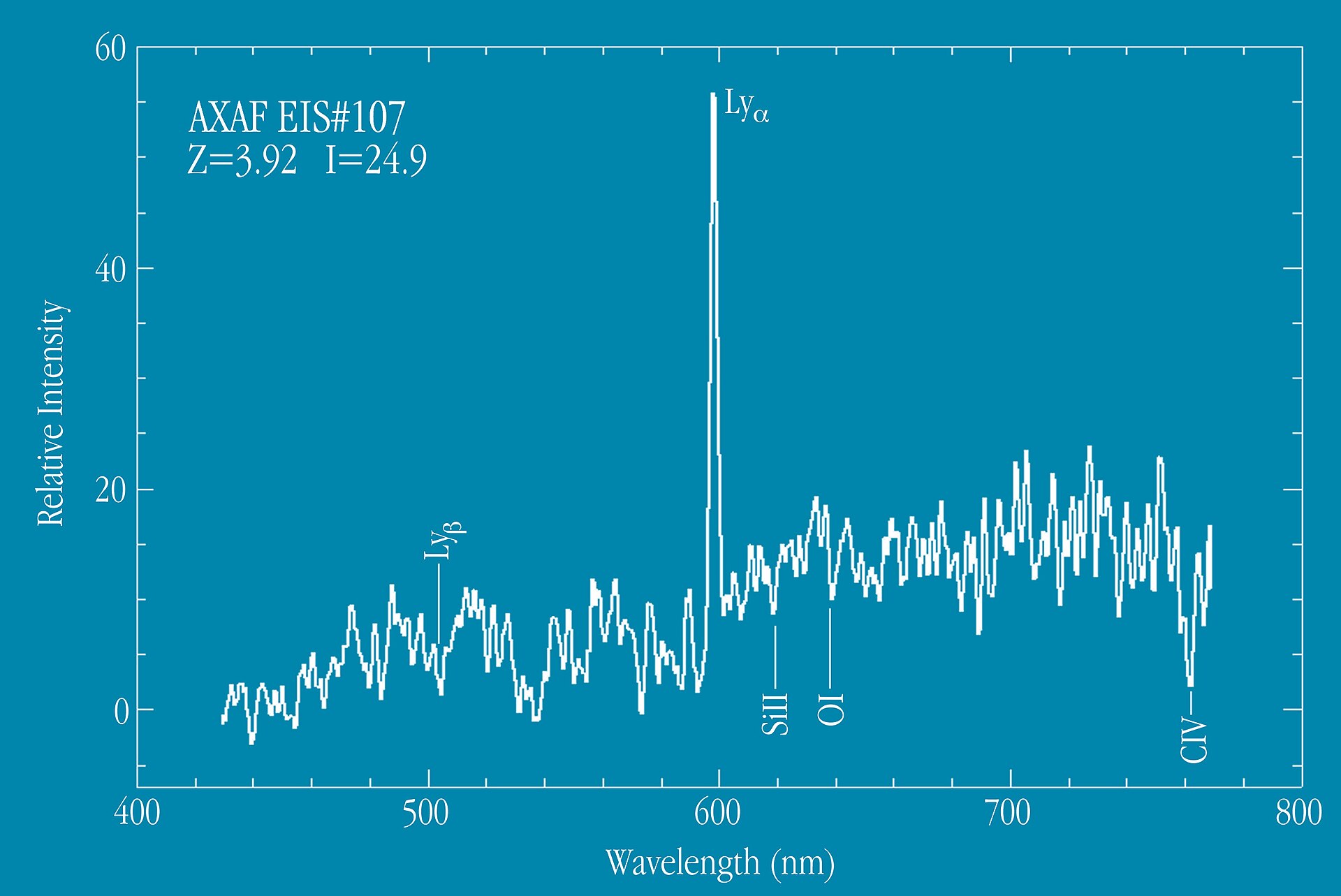
Spectrum of the very distant galaxy EIS 107, as obtained with the VLT UT1 and FORS1. The positions of the most prominent spectral features are indicated, e.g. the Lyman-alpha emission line and absorption lines of oxygen atoms and silicium and carbon ions. The measured redshift is z = 3.92, and these lines have been redshifted from the ultraviolet to the red spectral region. The spectrum represents a total exposure time of 5.5 hours. The spectral resolution is 2.1 nm, i.e. 0.44 nm in the galaxy r
Cosmologia · 4 min

O que o desvio para o vermelho conta sobre o Universo

A luz de galáxias distantes chega esticada. Esse sinal permite medir movimentos e revelou que, em grande escala, o Universo se expande.

Ler matéria →
728U1969.NEF
Universo · 4 min

Como sabemos o formato da Via Láctea vivendo dentro dela

Não podemos fotografar a Via Láctea de fora, mas luz, rádio, distâncias e movimentos permitem montar um mapa testável de nossa galáxia espiral.

Ler matéria →
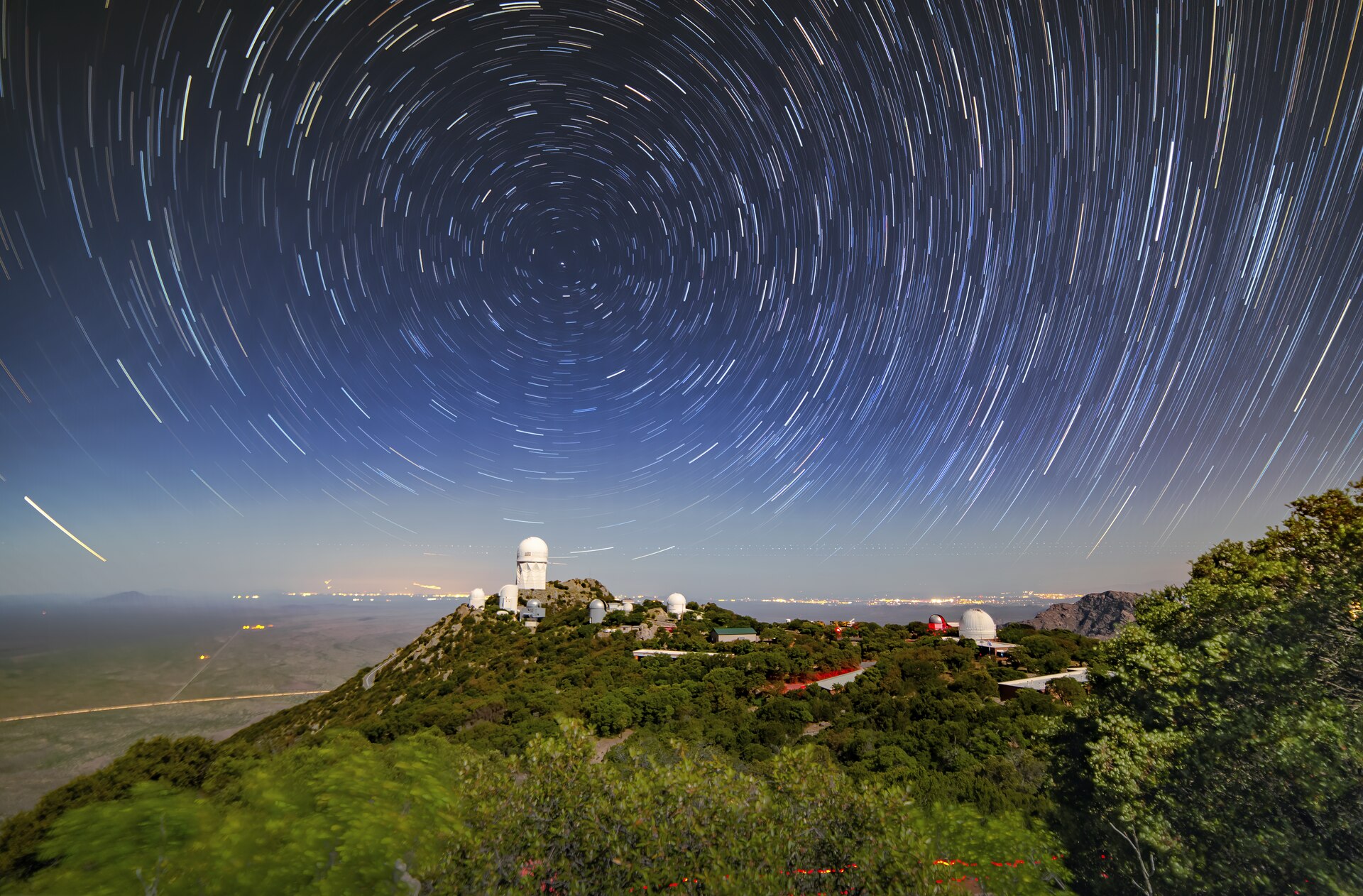
Although this appears to be a daytime scene, star trails circle and illuminate the night sky in this long-exposure photo of Kitt Peak National Observatory (KPNO), a Program of NSF NOIRLab. The telescope visible at the highest peak is the Nicholas U. Mayall 4-meter Telescope and almost directly above it, at the center of the concentric star trails, sits the North Star, Polaris. As the Earth turns and the stars appear to move through the sky, Polaris remains stationary at the north celestial pole,
Sistema Solar · 4 min

Por que Sol, Lua e estrelas parecem cruzar o céu todos os dias

O céu parece girar de leste para oeste porque a Terra gira no sentido contrário. Esse movimento aparente organiza nossa experiência diária do firmamento.

Ler matéria →
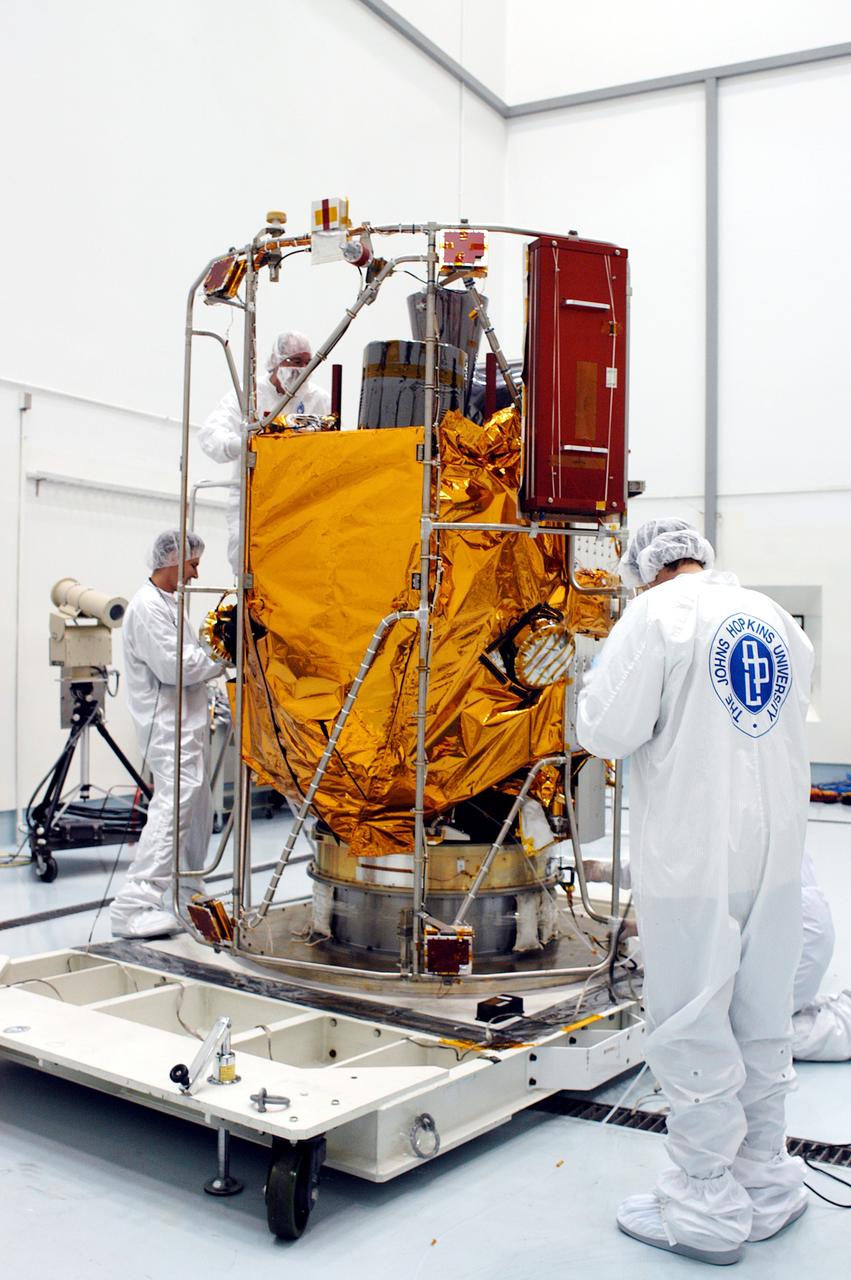
KENNEDY SPACE CENTER, FLA. - In the high bay clean room at the Astrotech Space Operations processing facilities near KSC, NASA’s MESSENGER spacecraft is revealed. Employees of the Johns Hopkins University Applied Physics Laboratory, builders of the spacecraft, will perform an initial state-of-health check. Then processing for launch can begin, including checkout of the power systems, communications systems and control systems. The thermal blankets will also be attached for flight. MESSENGER - sh
Exploração · 4 min

Por que o espaço pode ser gelado e aquecer uma nave ao Sol

No vácuo, quase não há matéria para trocar calor. Ainda assim, a luz solar pode aquecer muito uma nave, enquanto a sombra cria outro desafio.

Ler matéria →
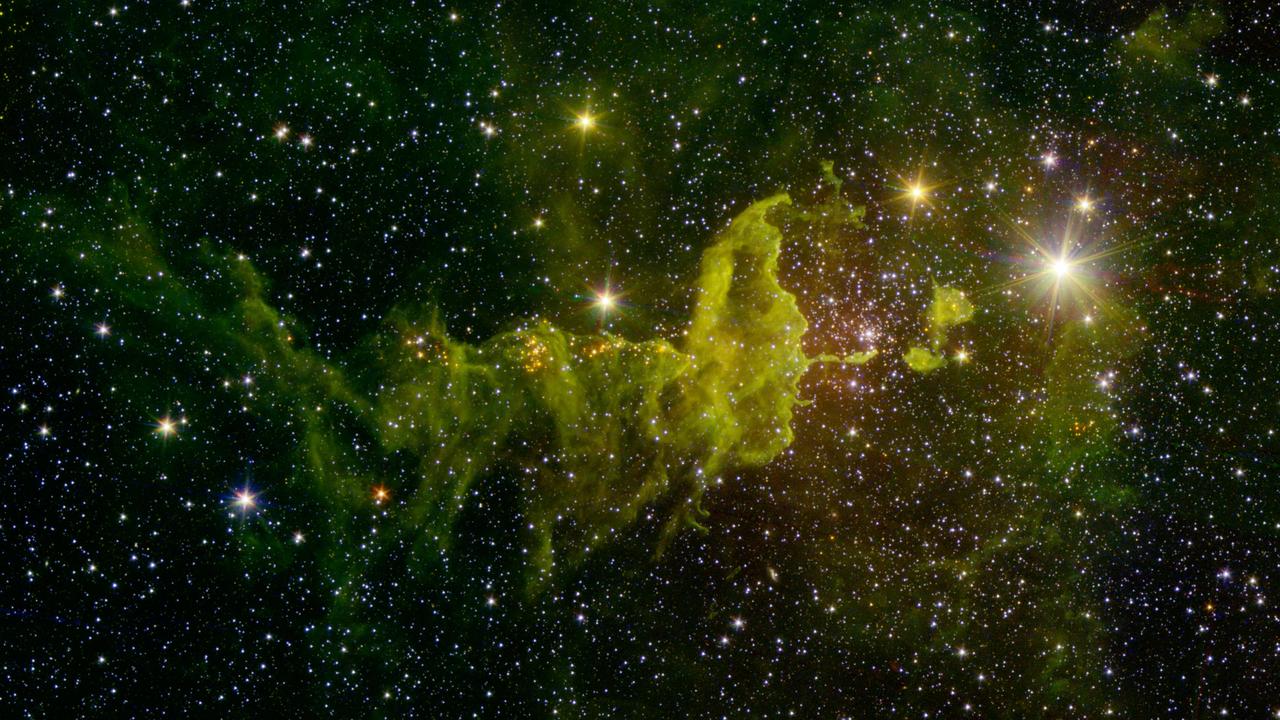
The spider part of The Spider and the Fly nebulae, IC 417 abounds in star formation, as seen in this infrared image from NASA Spitzer Space Telescope and the Two Micron All Sky Survey 2MASS.
Universo · 4 min

Por que uma nuvem de gás não vira uma estrela de uma vez

Nuvens interestelares podem ter matéria para muitas estrelas, mas gravidade, calor, rotação e turbulência dividem esse material antes do nascimento.

Ler matéria →
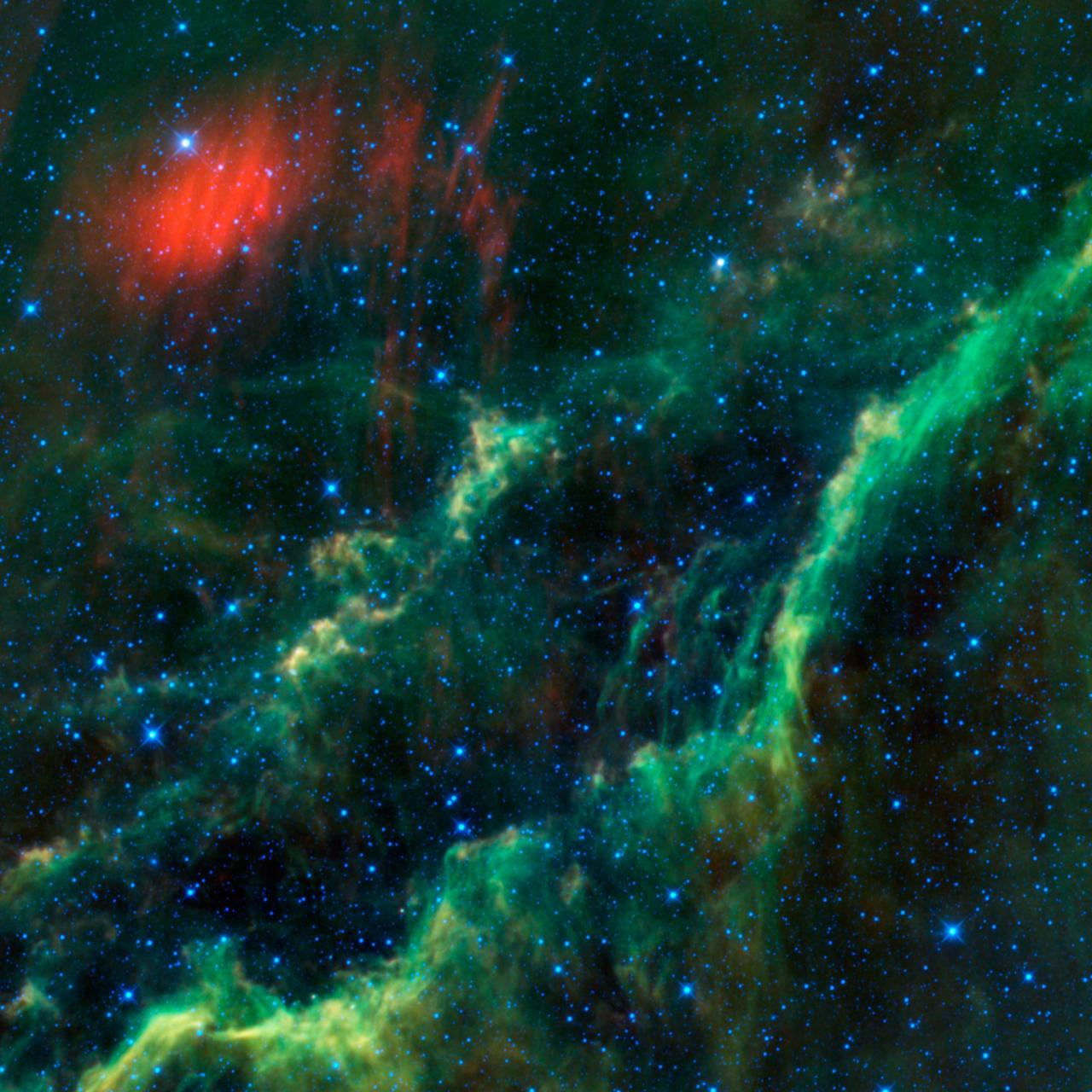
This infrared image from NASA Wide-field Infrared Survey Explorer features one of the bright stars in the constellation Perseus, named Menkhib, along with a large star forming cloud commonly called the California Nebula.
Universo · 4 min

Por que duas estrelas igualmente brilhantes podem ser tão diferentes

O brilho no céu mistura a energia emitida por uma estrela com sua distância. Entender essa diferença explica por que pontos parecidos podem ser astros muito distintos.

Ler matéria →
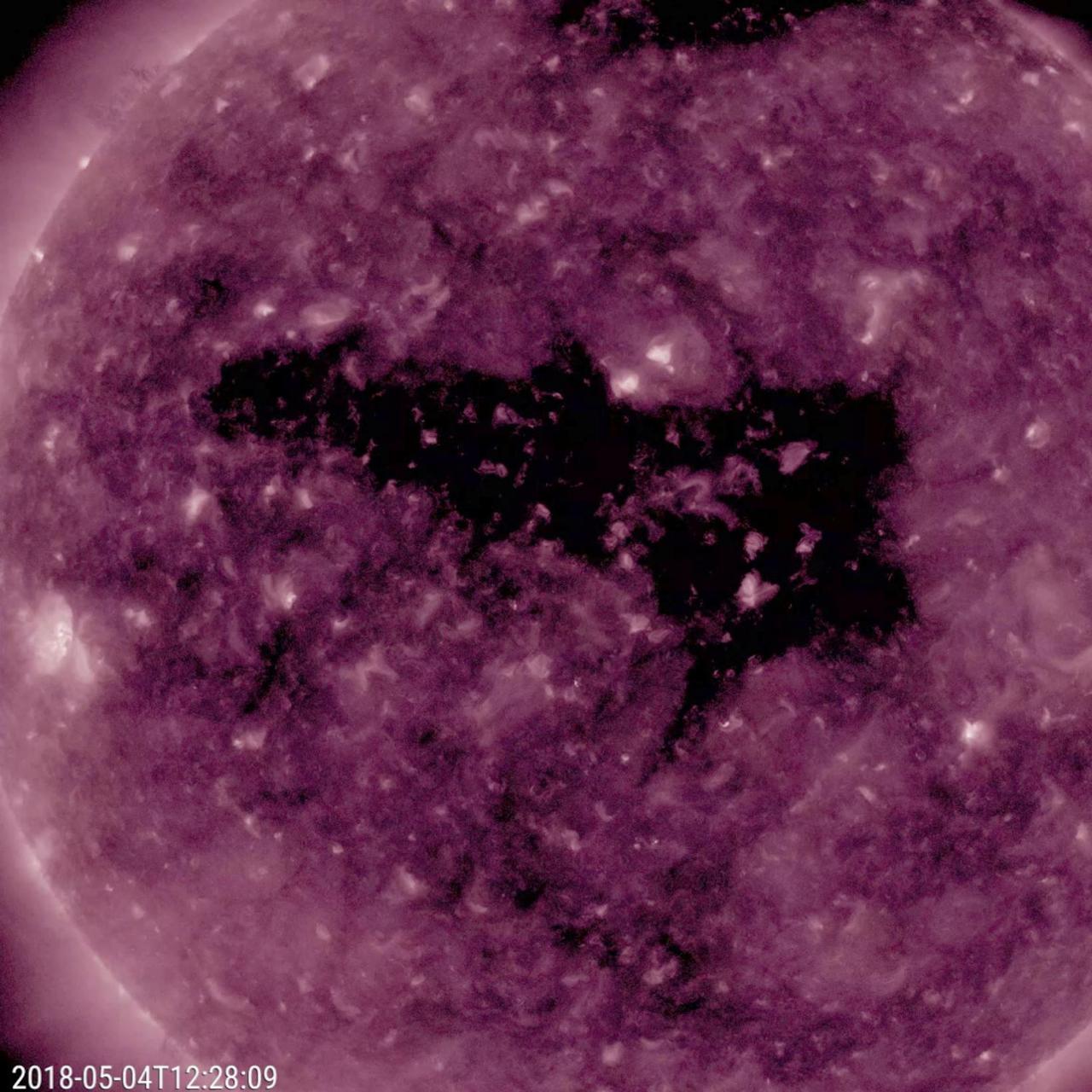
NASA's Solar Dynamics Observatory observed an extensive equatorial, dark coronal hole extending about halfway across the solar disk on May 2-4, 2018.
Sistema Solar · 4 min

O que protege a Terra do vento solar e por que essa proteção varia

O campo magnético terrestre desvia boa parte das partículas do Sol, mas sua proteção não é uma parede imóvel: ela muda com a atividade solar e com o espaço ao redor.

Ler matéria →
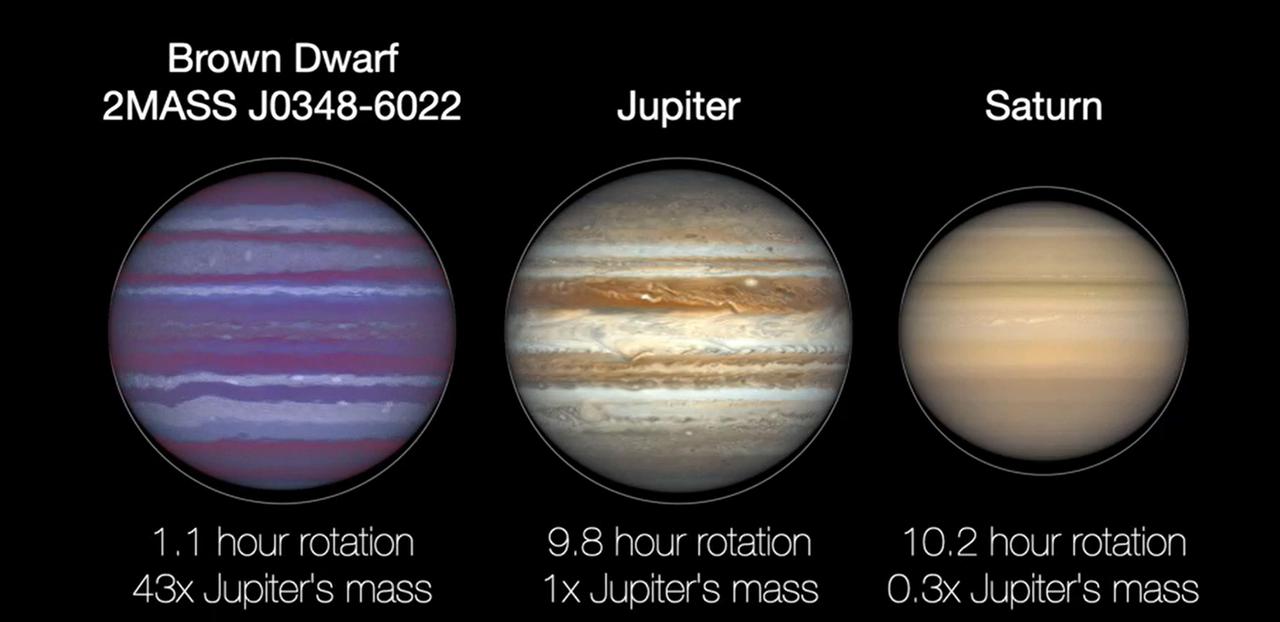
If a planet rotates too fast it will experience bulging around its midsection, as seen in this animated illustration of a brown dwarf, Jupiter, and Saturn.
Sistema Solar · 5 min

Por que Saturno flutuaria na água — em uma hipótese impossível

A densidade média de Saturno é menor que a da água. Isso permite a famosa comparação da flutuação, mas não significa que seria possível colocá-lo em um oceano.

Ler matéria →
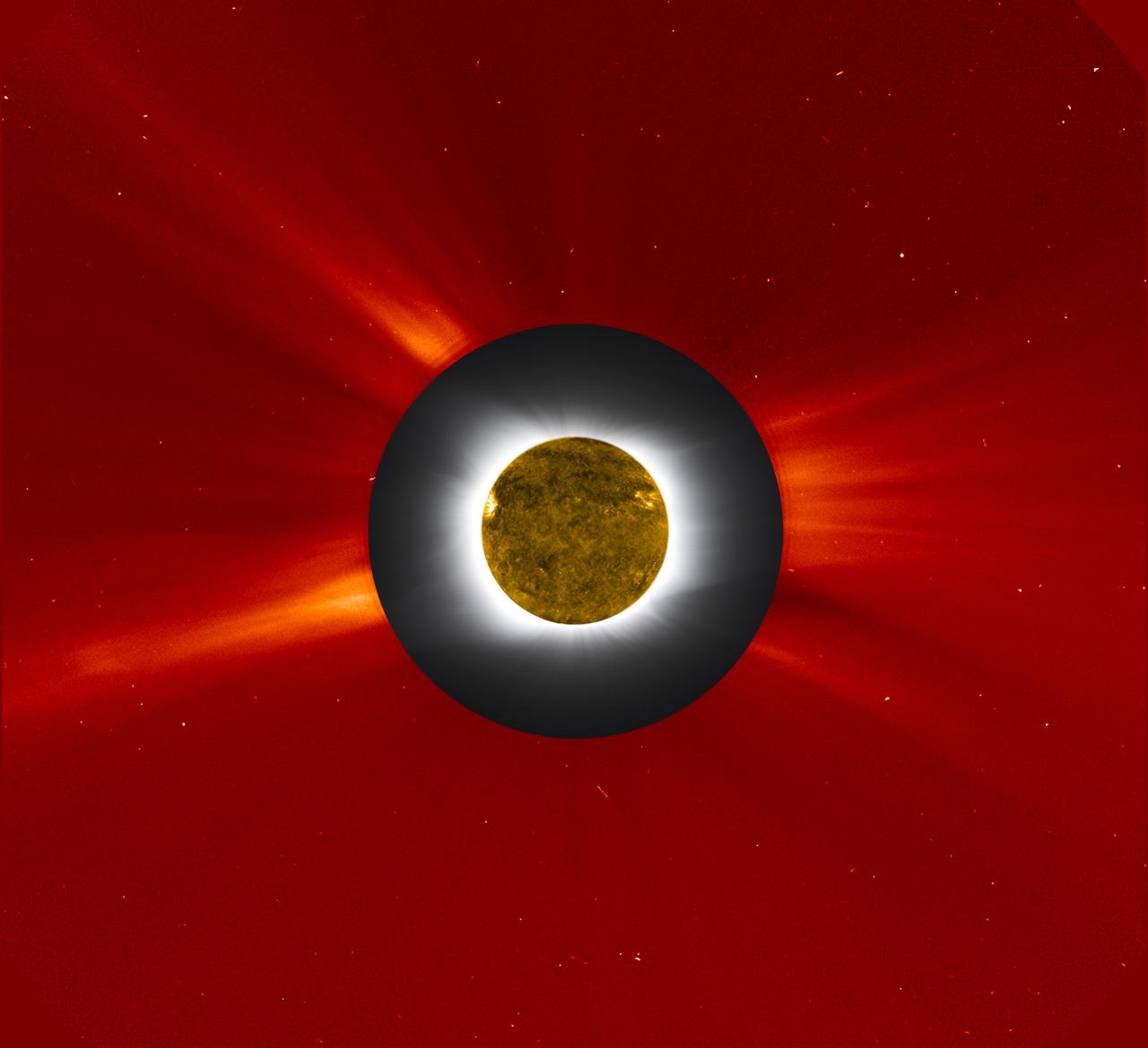
NASA's Solar Eclipse Composite Image July 11, 2010
Universo · 4 min

Por que a coroa do Sol é muito mais quente que sua superfície

A região mais externa da atmosfera solar alcança temperaturas muito maiores que a superfície visível, um enigma ainda investigado.

Ler matéria →
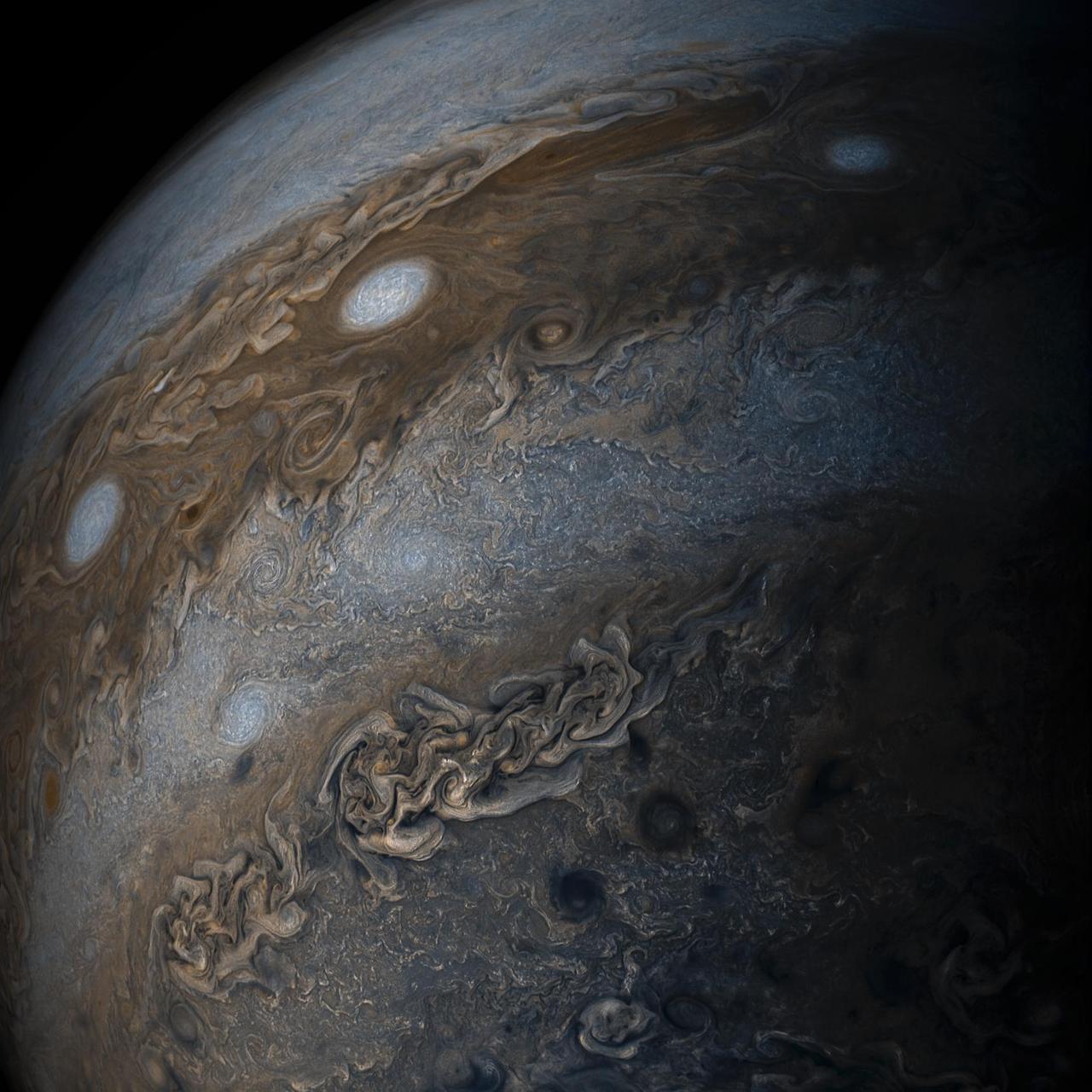
Three of the white oval storms known as the "String of Pearls" are visible near the top of the image.
Sistema Solar · 4 min

Por que Júpiter tem faixas claras e escuras que não param no lugar

As listras de Júpiter são correntes de nuvens movidas por rotação veloz, calor interno e uma atmosfera profunda de gases.

Ler matéria →
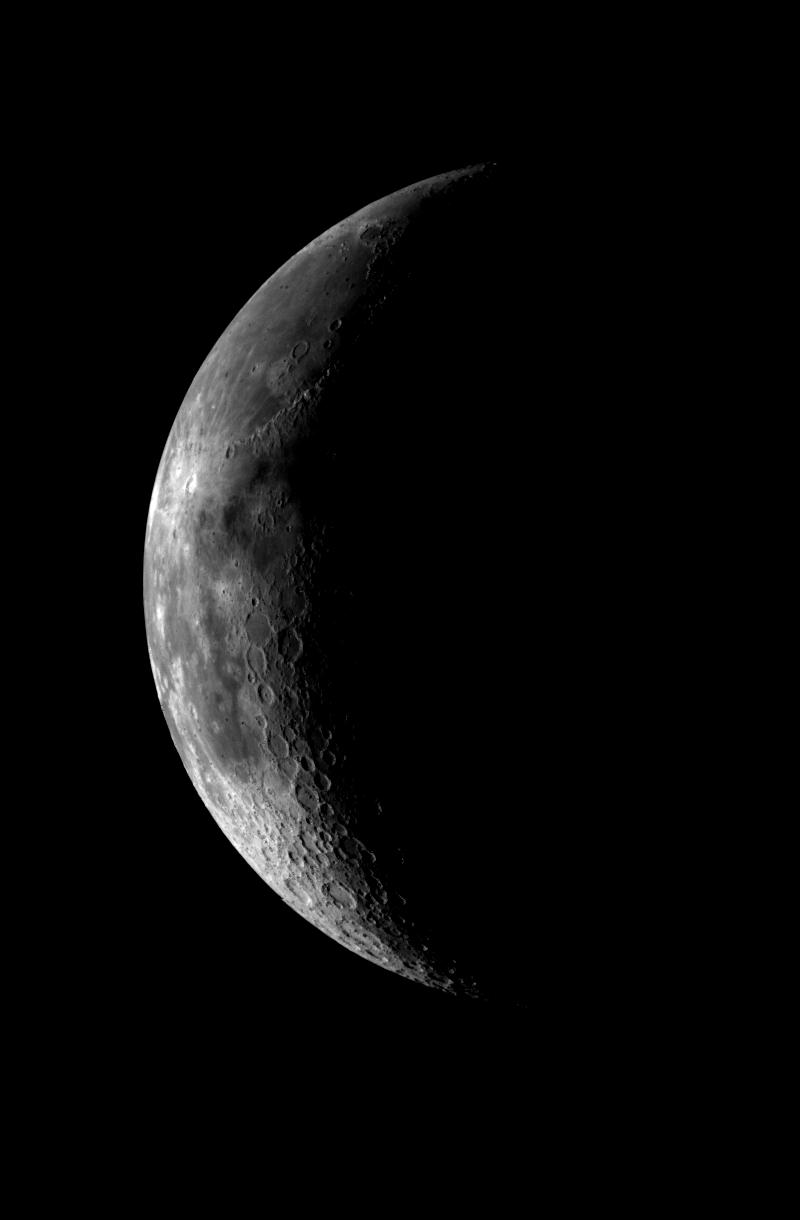
This image of the crescent moon was obtained by the Galileo Solid State imaging system on December 8 at 5 a.m. PST as NASA Galileo spacecraft neared the Earth.
Sistema Solar · 4 min

Por que a face distante da Lua é tão diferente da face voltada à Terra

A Lua mostra sempre quase a mesma face à Terra, mas o outro lado tem crosta, crateras e planícies vulcânicas distribuídas de modo diferente.

Ler matéria →
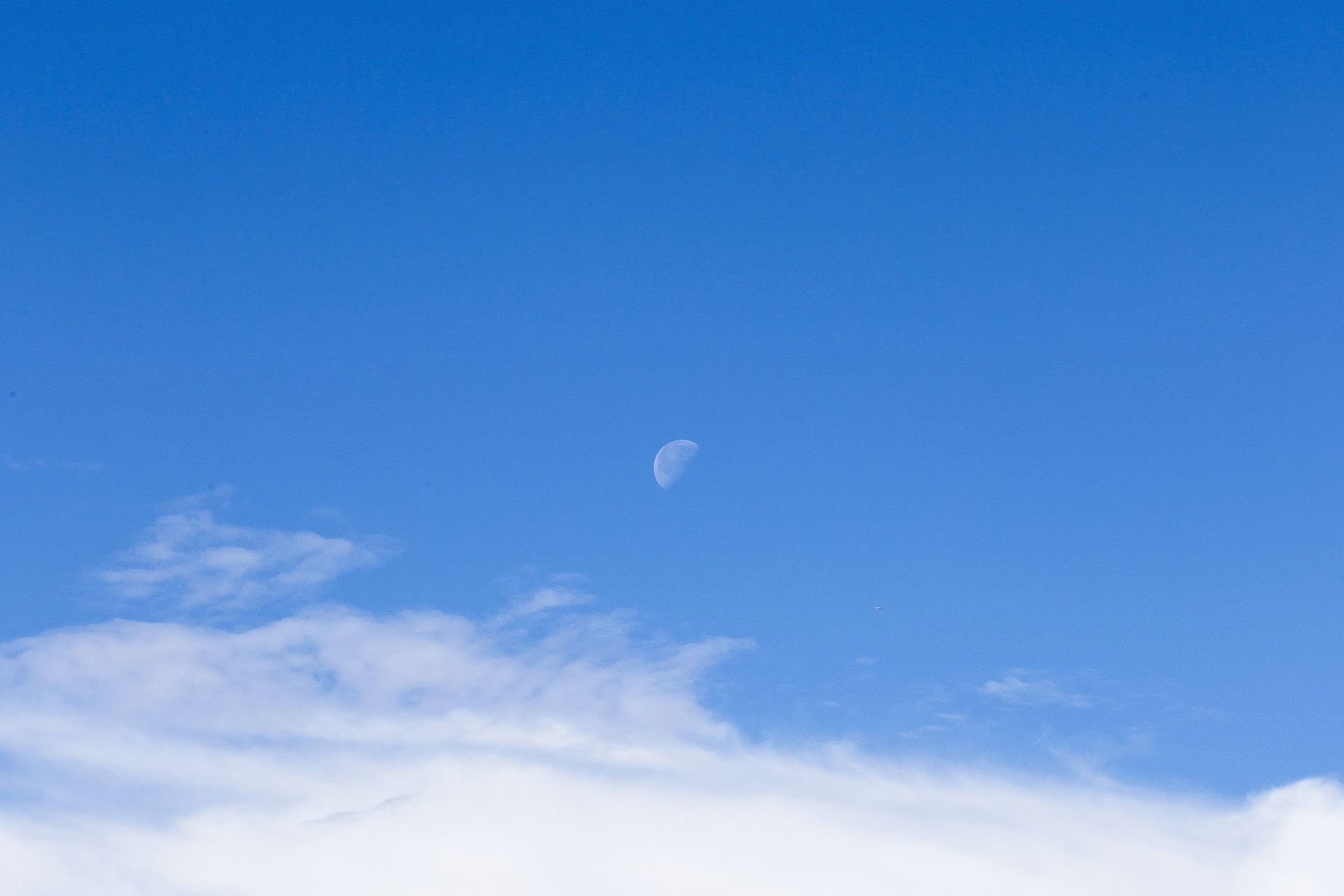
Moon in the daytime, Cambazlı, Silifke - Mersin, Turkey.
Sistema Solar · 4 min

Por que a Lua pode ser vista de dia, mesmo perto do Sol

A Lua não pertence à noite: sua posição, sua fase e o brilho do céu determinam quando ela pode aparecer à luz do dia.

Ler matéria →
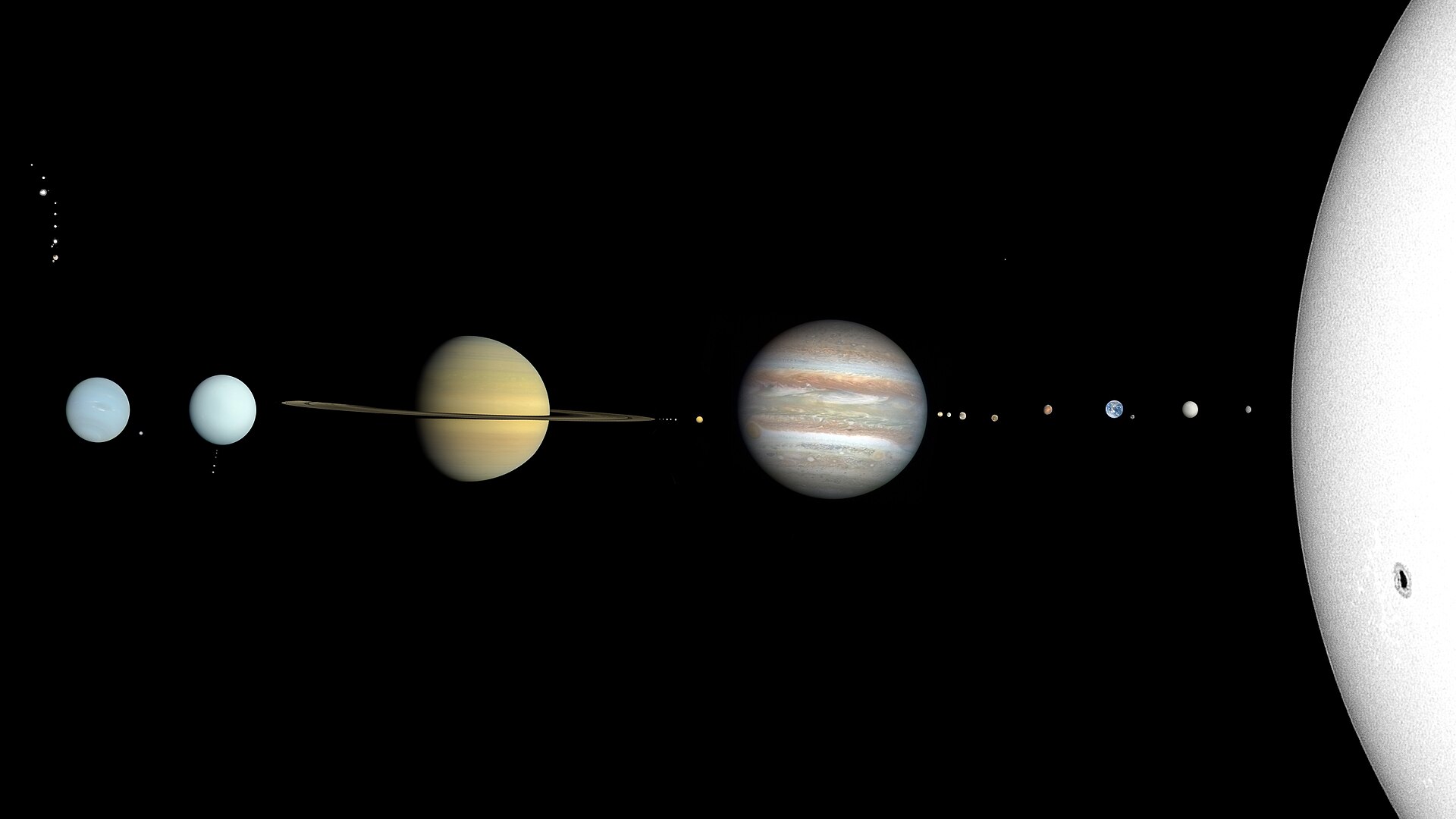
Finally... the true color of the Solar System! Dwarf planets are sorted by radius ascending from top down, with four main classifications from right to left: Asteroid belt (Ceres, above the Jovian moons), Kuiper belt (Orcus, Quaoar, Makemake, Haumea, Pluto), scattered disk (Gonggong, Eris), and detached objects (Sedna). Dwarfs are at a larger scale than the moons.Planet and moon credits: User:MotloAstro (Sun); NASA (Mercury, Venus, Earth, Mars, Jupiter, Saturn, Uranus, Neptune (color calibrated
Sistema Solar · 4 min

Por que existe um cinturão de asteroides no lugar de um planeta?

Entre Marte e Júpiter há muitos corpos pequenos, não um planeta destruído. A gravidade de Júpiter dificultou que o material se unisse desde o início.

Ler matéria →
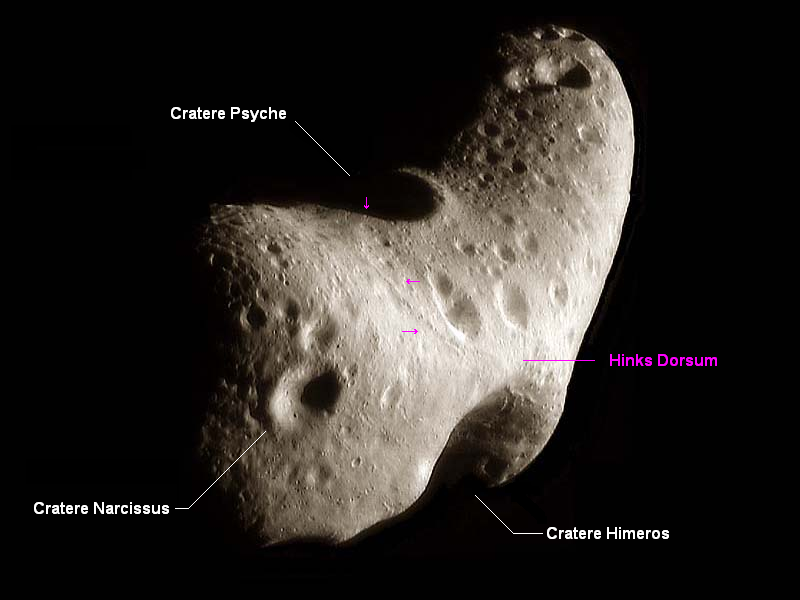
False color view of http://photojournal.jpl.nasa.gov/catalog/PIA02923 Original caption from NASA's Astronomy picture of the day...: :Asteroid Eros Reconstructed :Credit: NEAR Project, NLR, JHUAPL, Goddard SVS, NASA Explanation: Orbiting the Sun between Mars and Earth, asteroid 433 Eros was visited by the robot spacecraft NEAR-Shoemaker in 2000 February. High-resolution surface images and measurements made by NEAR's Laser Rangefinder (NLR) have been combined into the above visualization based on
Exploração · 4 min

Por que fotos astronômicas têm cores que nossos olhos não veriam?

Muitas imagens do cosmos traduzem luz invisível em cores visíveis. Elas não são enganosas, mas precisam de legenda para mostrar o que cada cor representa.

Ler matéria →
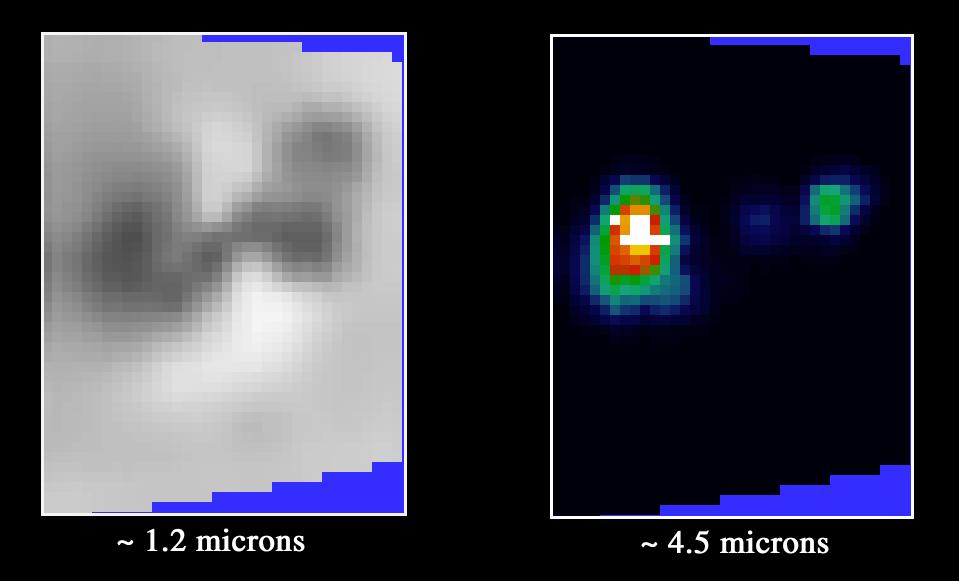
The active volcano Prometheus on Jupiter moon Io was imaged by NASA Galileo spacecraft during the close flyby of Io on Oct.10, 1999. The spectrometer can detect active volcanoes on Io by measuring their heat in the near-infrared wavelengths.
Sistema Solar · 4 min

Por que Io, lua de Júpiter, é tão cheia de vulcões?

Io é aquecida por dentro porque a gravidade de Júpiter e de luas vizinhas a deforma continuamente. Essa flexão alimenta o mundo vulcânico mais ativo conhecido.

Ler matéria →